

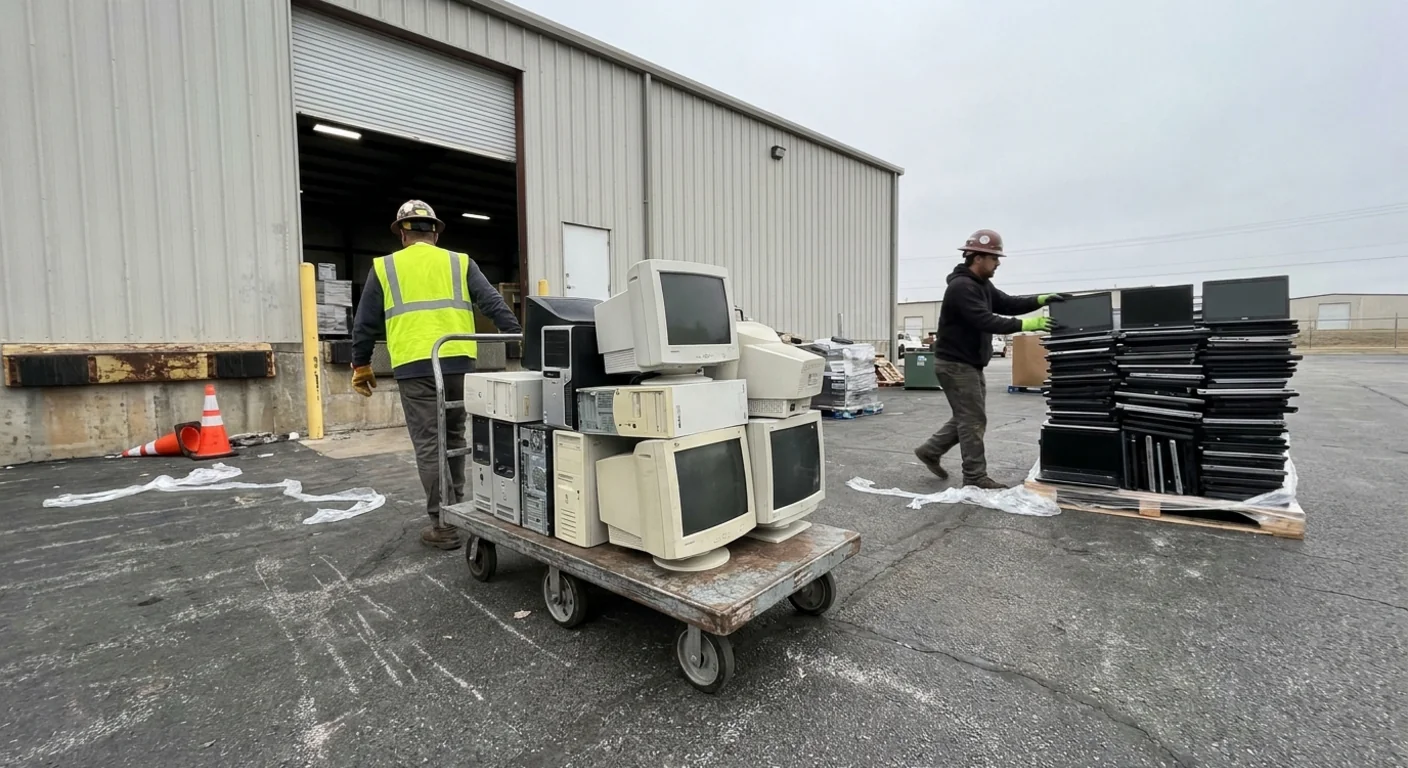
Electronic waste represents one of the fastest-growing waste streams in the United States, and Oklahoma City is no exception to this trend. As businesses and residents upgrade devices at an increasing pace, understanding proper electronics recycling becomes essential. This guide explores what qualifies as electronic waste, why proper disposal matters, and how organizations can ensure their old electronics are processed responsibly through processing channels.
1. Understanding Electronic Waste and Disposal Regulations
Electronic waste, commonly called e-waste, encompasses any discarded device with a plug, battery, or circuit board. This category includes computers, monitors, servers, networking equipment, smartphones, tablets, printers, copiers, and various other electronic devices that businesses and households regularly retire. These items contain valuable materials like copper, gold, and aluminum, but also potentially hazardous substances including lead, mercury, and cadmium.
While Oklahoma does not currently have statewide e-waste landfill bans like Illinois and many other states, responsible disposal remains important for environmental protection and corporate sustainability goals. Illinois law prohibits the disposal of covered electronic devices in landfills, reflecting a growing national recognition that electronics require specialized processing. Even in states without specific bans, many landfills refuse electronics due to environmental concerns and liability issues.
Businesses operating across multiple states often need consistent disposal practices regardless of local regulations. Working with processors ensures compliance with the most stringent standards, protecting organizations from potential liability as regulations continue to evolve. Industry studies suggest that proper electronics recycling recovers up to 90 percent of materials for reuse, significantly reducing the environmental impact compared to landfill disposal or informal processing methods.
2. What Electronics Can Be Recycled
Chicago Shredder accepts a comprehensive range of electronic equipment for recycling. Computer systems, including desktops, laptops, servers, and workstations, represent the most common items processed. Peripheral devices like monitors, keyboards, mice, and external drives are also accepted. Networking equipment such as routers, switches, hubs, and cabling can be recycled through processing channels.
Office electronics including printers, copiers, scanners, fax machines, and multifunction devices are processed regularly. Telecommunications equipment like desk phones, mobile devices, and PBX systems qualify for recycling services. Data center equipment, including rack-mounted servers, storage arrays, and UPS systems, requires specialized handling that processing facilities can provide.
Smaller electronics and accessories are accepted as well, though processing efficiency typically improves when items are consolidated into larger pickups. Components like hard drives, memory modules, power supplies, and circuit boards can all be recycled. Most facilities accept items regardless of working condition, as the recycling process focuses on material recovery rather than device functionality. Businesses planning electronics disposal should inventory all qualifying items to maximize the efficiency of pickup services.
3. More to Consider
This secure process ensures that materials are handled according to best practices throughout the recycling chain.
Secure processing provides verification that electronics are dismantled and processed in ways that protect both the environment and human health. Downstream vendors who receive materials from processing facilities must also meet specific requirements, creating accountability throughout the recycling stream.
Organizations seeking to demonstrate environmental responsibility can reference their use of processors in sustainability reports and stakeholder communications.
4. Residential Versus Business Recycling Options
Electronics recycling services typically differ between residential and commercial clients due to volume, logistics, and documentation requirements. Residential recycling often involves drop-off locations, community collection events, or small-quantity pickup services. These options work well for households with occasional electronics to dispose of, though availability varies by location and service provider.
Business electronics recycling operates at a different scale and involves additional considerations. Commercial clients typically generate larger volumes of equipment, often during office moves, technology refreshes, or regular equipment rotations. Businesses also face stricter requirements around data security and documentation, as devices may contain sensitive information subject to privacy regulations or compliance frameworks.
Chicago Shredder focuses primarily on commercial clients, offering services designed for businesses with significant electronics disposal needs. This includes scheduled pickups, on-site loading assistance for large volumes, and certificates of recycling for record-keeping purposes.
5. Pickup Logistics and Service Areas
Service logistics depend on factors including volume, equipment type, location accessibility, and scheduling requirements.
For Chicago-area clients, we typically coordinate pickups within one to two weeks of request, with faster service available for urgent situations. Pickup scheduling considers the volume of materials, building access requirements, and any special handling needs for particularly large or heavy equipment. Clients should plan for adequate space to stage equipment before pickup, as consolidating items improves efficiency and reduces service time.
For clients outside the immediate Chicago area, including those in Oklahoma City, we coordinate services through our network connections. This may involve working with secure partners or arranging consolidated shipments to our processing facility. Organizations with regular disposal needs across multiple locations can establish ongoing relationships that streamline the process through consistent procedures and documentation. We typically respond to inquiries within one business day to discuss logistics, pricing, and scheduling options based on specific client needs.
6. Certificates of Recycling for Sustainability Reporting
These certificates typically include details about the materials received, the date of processing, and confirmation of responsible handling.
Sustainability reports, ESG (Environmental, Social, and Governance) disclosures, and corporate responsibility communications often reference electronics recycling as part of broader waste reduction efforts. Industry studies suggest that stakeholders including investors, customers, and employees increasingly evaluate companies based on environmental practices.
These certificates can be referenced in annual reports, submitted to certification bodies for programs like LEED, or retained for internal compliance documentation. Organizations subject to specific regulations may also use recycling certificates as evidence of proper disposal practices in the event of audits or compliance reviews.
7. How to Schedule Electronics Recycling Services
Scheduling electronics recycling with Chicago Shredder begins with an initial contact to discuss your needs, volume, and location. Calling 866-770-2650 connects you with our team to provide details about the types and quantities of equipment requiring disposal. This conversation helps us understand logistics requirements and provide preliminary guidance on service options.
After the initial consultation, we develop a service plan tailored to your situation. This includes scheduling a pickup date, discussing any data destruction requirements, and outlining documentation that will be provided. For larger projects or ongoing relationships, we can establish procedures that streamline future recycling needs, creating consistency and reducing administrative burden.
For businesses in Oklahoma City and other markets outside our primary Chicago service area, the scheduling process includes coordination through our network. We work to find solutions that meet your needs while maintaining the secure processing and documentation standards that distinguish professional electronics recycling from less rigorous alternatives. Whether you have a single pallet of equipment or a complete data center to decommission, starting the conversation allows us to develop an appropriate approach for your specific situation.
8. Frequently Asked Questions
Does Oklahoma City have electronics recycling laws similar to Illinois?
Oklahoma does not currently have statewide e-waste landfill bans like Illinois. However, responsible disposal remains important for environmental protection and corporate sustainability goals, and many businesses Choose a recycler that documents chain of custody and provides a Certificate of Recycling.
How long does it take to schedule a pickup in Oklahoma City?
Scheduling timelines for Oklahoma City clients depend on volume and logistics coordination through our network. We typically respond to inquiries within one business day to discuss options and develop a service plan that meets your needs.
Can I get documentation for sustainability reporting?
Yes, Chicago Shredder provides certificates of recycling that Choose a recycler that documents chain of custody and provides a Certificate of Recycling.
What happens to the data on my old hard drives?
Data security is a critical component of responsible electronics recycling.
Do you accept broken or non-working electronics?
Yes, electronics are accepted regardless of working condition. The recycling process focuses on material recovery, so device functionality does not affect whether items can be processed through processing channels.
Proper electronics recycling protects the environment, supports corporate sustainability goals, and ensures materials are handled according to professional standards. Whether you are managing a technology refresh, closing a facility, or establishing an ongoing electronics disposal program, secure processing provides the documentation and accountability that businesses need. Call 866-770-2650.
Ready to schedule a pickup?
Call 866-770-2650 or request a quote online. Every pickup includes clear service documentation.