

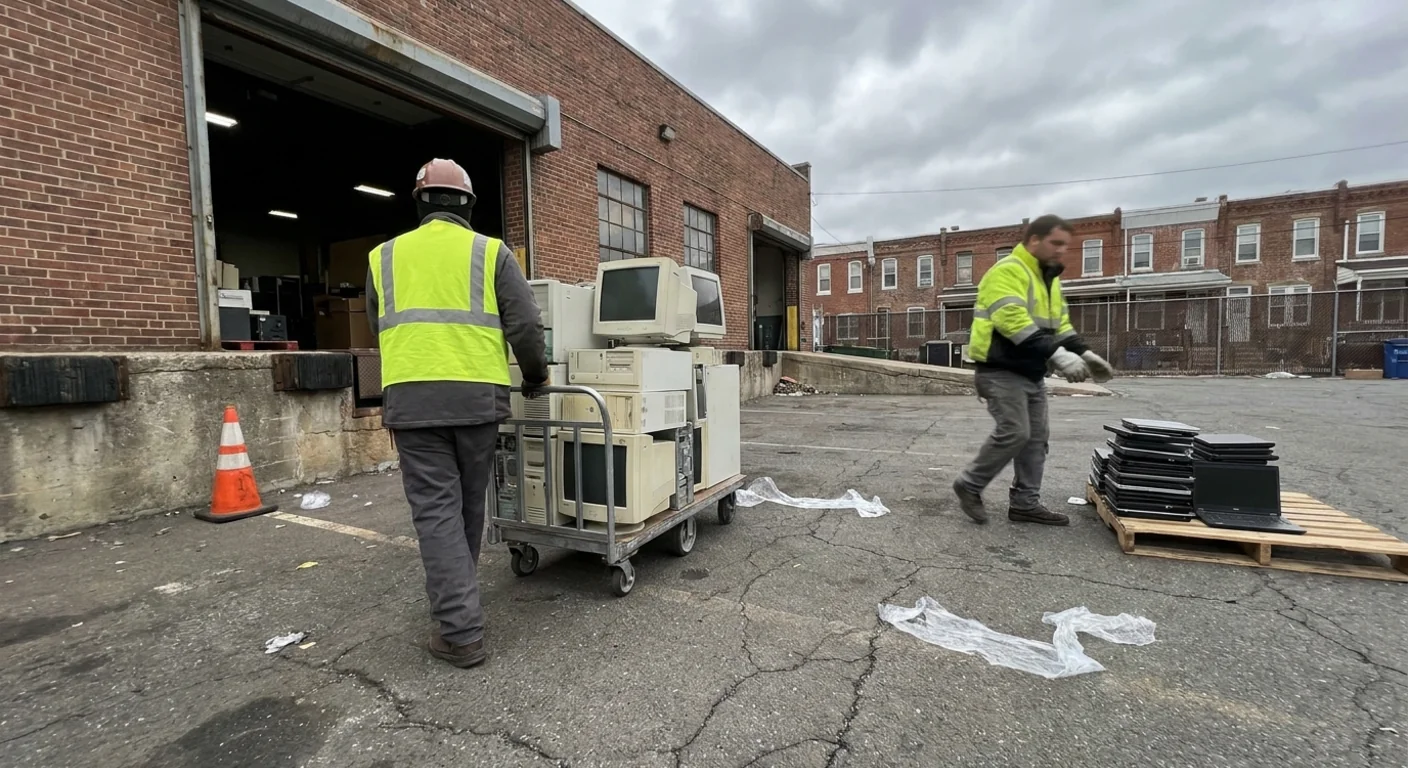
Electronics recycling has become a critical component of responsible waste management in Philadelphia and across Pennsylvania. With rapid technological advancement, businesses and residents face growing volumes of outdated computers, monitors, printers, and other electronic equipment. Improper disposal of these items not only wastes valuable materials but also poses environmental and data security risks. Understanding what constitutes electronic waste, how secure recycling works, and the options available for both residential and commercial clients helps organizations make informed decisions about their IT asset disposal needs.
1. What Is E-Waste and Why Proper Disposal Matters
Electronic waste, commonly called e-waste, refers to discarded electronic devices and equipment that have reached the end of their useful life. This category includes desktop computers, laptops, servers, monitors, keyboards, mice, printers, copiers, smartphones, tablets, networking equipment, and other IT hardware. Many of these devices contain valuable materials like copper, aluminum, gold, and rare earth elements that can be recovered and reused in manufacturing.
E-waste also contains hazardous substances including lead, mercury, cadmium, and flame retardants. When electronics end up in landfills, these materials can leach into soil and groundwater, creating environmental contamination. Pennsylvania has recognized this risk, and while the state does not have a blanket ban on landfilling electronics like some neighboring states, the Pennsylvania Covered Device Recycling Act requires manufacturers to provide recycling programs for covered devices including computers, monitors, and televisions.
Beyond environmental concerns, electronics often contain sensitive data stored on hard drives, solid-state drives, and memory chips. Simply deleting files or reformatting drives does not make data unrecoverable. Forensic data recovery techniques can retrieve information from devices that have not undergone proper data destruction. For businesses handling customer information, financial records, or proprietary data, secure electronics recycling with certified data destruction is not just best practice but often a regulatory requirement designed to support compliance with privacy standards.
2. What Electronics Can Be Recycled
Nearly all types of electronic equipment can be recycled through secure electronics recycling facilities. Common items accepted include desktop computers and towers, laptop computers, servers and networking equipment, LCD and LED monitors, CRT monitors and televisions, keyboards and mice, printers and copiers, fax machines, scanners, and telephone systems. Mobile devices including smartphones and tablets are also accepted, along with cables, power supplies, and peripheral devices.
IT infrastructure components such as uninterruptible power supplies (UPS), batteries, hard drives, memory modules, and circuit boards can be processed separately. Office equipment like shredders, calculators, and point-of-sale terminals also fall under electronics recycling programs. Audio-visual equipment including projectors, speakers, and video conferencing systems are accepted as well.
While most electronics are accepted, some items may have special handling requirements or restrictions. Facilities typically accept items containing refrigerants or large appliances through specialized programs. When scheduling a pickup, providing a detailed inventory helps ensure proper handling and pricing for all materials.
3. Secure Processing and Environmental Responsibility
The electronics recycling process involves multiple stages designed to safely dismantle equipment, recover valuable materials, and ensure no materials are knowingly disposed of in landfills. When electronics arrive at the facility, they undergo initial sorting and assessment. Items that can be refurbished for reuse are separated from end-of-life equipment destined for material recovery.
End-of-life electronics are systematically dismantled. Components are separated by material type including plastics, metals, glass, and circuit boards. Hazardous materials like batteries and mercury-containing components receive specialized handling. Metals are sorted into ferrous and non-ferrous categories for smelting and refining. Plastics are processed for recycling into new products. Glass from CRT monitors undergoes lead reclamation. Circuit boards containing precious metals are sent to specialized smelters for recovery.
Processing includes proper handling of materials, implementation of environmental management systems, and adherence to downstream recycling requirements that prevent materials from being exported to facilities lacking proper environmental controls.
This approach provides businesses with confidence that their retired electronics are handled responsibly. Organizations working with Chicago Shredder can demonstrate environmental stewardship to stakeholders and support corporate sustainability goals through documented recycling practices.
4. Residential vs Business Electronics Recycling Options
Electronics recycling services differ significantly between residential and business clients, with commercial services offering additional features tailored to organizational needs. Residential recycling typically focuses on smaller volumes of household electronics. Many communities offer periodic collection events, drop-off locations, or retailer take-back programs where residents can bring old electronics for recycling. These programs work well for individuals disposing of a few items but may not accommodate the volume or security requirements of businesses.
Business electronics recycling addresses the needs of organizations retiring IT equipment at scale. Commercial services include scheduled pickup from business locations, handling of large volumes of equipment, detailed inventory documentation, and certificates of recycling for sustainability reporting. Businesses also require secure data destruction services to protect sensitive information stored on hard drives and other storage media before equipment leaves their premises.
For Philadelphia businesses and organizations, Chicago Shredder provides commercial electronics recycling services with a focus on security and convenience. Each client receives documentation of the recycling process, including certificates suitable for compliance and sustainability reporting.
The business model also accommodates the specific needs of different organization types. Healthcare providers need services designed to support HIPAA requirements for protected health information. Financial institutions require solutions aligned with GLBA and SOX compliance frameworks. Educational institutions must address FERPA requirements for student records. Retail and hospitality operations need efficient processing of point-of-sale systems and customer data.
5. Secure Data Destruction for Philadelphia Businesses
Data security remains a top concern for businesses recycling electronics. Hard drives, solid-state drives, and other storage media retain data even after standard deletion or formatting. For organizations handling customer information, financial data, medical records, or proprietary business information, ensuring data is rendered unrecoverable is critical before equipment leaves their control.
Data destruction methods vary in security level and cost. Software-based data sanitization overwrites storage media multiple times according to standards like NIST SP 800-88 guidelines. This approach works for drives that will be reused or resold but requires functional hardware and specialized software. For higher security requirements or non-functional drives, physical destruction provides certainty that data designed to be unrecoverable.
Chicago Shredder operates an on-site hard drive crusher at its Addison, Illinois facility. This industrial equipment physically destroys hard drives by compressing and bending the platters, rendering data unrecoverable through any known recovery method. The crushing process deforms the physical media to the point where reading data becomes impossible. This approach is designed to meet the data destruction requirements of organizations with high security needs.
For Philadelphia businesses, Chicago Shredder can coordinate secure transportation of IT equipment containing sensitive data to the Addison facility for destruction and recycling. Each data destruction service includes documentation of the process, with serial numbers tracked from pickup through destruction. These certificates support audit requirements and demonstrate due diligence in protecting sensitive information. Organizations can also arrange for witnessed destruction services where representatives observe the destruction process for additional verification.
6. Pickup Logistics and Service Areas
Understanding pickup logistics helps businesses plan efficient equipment disposal without disrupting operations.
Scheduling a pickup typically begins with contacting the recycling provider to discuss the volume and types of electronics to be recycled. Providing a detailed inventory helps the recycling company assess transportation needs and provide accurate pricing. For large volumes, businesses may need to palletize equipment or prepare items for loading. The recycling provider can offer guidance on preparation to streamline the pickup process.
Pickup scheduling accommodates business operations, with appointments arranged during convenient times to minimize disruption. Some businesses prefer to retire equipment in batches as refresh cycles complete, while others need one-time pickups during office relocations or closures. Flexible scheduling ensures that electronics recycling integrates smoothly with business planning.
Transportation security is particularly important for equipment containing sensitive data. Reputable recyclers use secure transport methods with chain of custody documentation tracking equipment from pickup through final processing. This documentation creates an audit trail demonstrating proper handling of IT assets and stored data throughout the recycling process.
For Philadelphia businesses working with Chicago Shredder, the company typically responds to inquiries within one business day to discuss service options, pricing, and scheduling. The goal is to make electronics recycling as convenient and secure as possible, regardless of location or volume.
7. Certificates of Recycling and Sustainability Reporting
Many businesses require documentation of their electronics recycling activities for sustainability reporting, compliance audits, or corporate environmental goals. Certificates of recycling provide this documentation, creating a verifiable record of responsible equipment disposal.
A comprehensive certificate of recycling typically includes the date of service, types and quantities of equipment recycled, total weight of materials processed, and confirmation that items were processed according to environmental standards. For businesses with data security requirements, certificates may also document data destruction services performed on storage media, including serial numbers of destroyed drives.
These certificates serve multiple business purposes. Sustainability reports to stakeholders, investors, or the public often require quantifying waste diversion and recycling metrics. Environmental certifications like LEED credit programs may require documentation of responsible waste management practices. Customer and partner expectations increasingly include environmental responsibility, making recycling documentation valuable for business relationships.
For businesses in Philadelphia, this documentation supports environmental reporting requirements and demonstrates commitment to responsible electronics disposal.
The tracking and documentation process begins when equipment is picked up, with inventory recorded and chain of custody maintained throughout transportation and processing. This systematic approach ensures accurate reporting and provides businesses with confidence in their recycling partnerships.
8. Frequently Asked Questions
What types of businesses in Philadelphia use electronics recycling services?
Organizations across all industries require electronics recycling, including healthcare facilities managing medical equipment and computers containing protected health information, financial institutions retiring computers with sensitive customer data, educational institutions disposing of classroom technology, retail operations recycling point-of-sale systems, and professional services firms upgrading IT infrastructure. Any business that uses computers, monitors, printers, or other electronic equipment eventually needs secure disposal services.
How much does electronics recycling cost for Philadelphia businesses?
Pricing varies based on several factors including the volume of equipment, types of items being recycled, whether items contain data requiring destruction, and location logistics. Some items with commodity value may offset service costs, while specialized items like CRT monitors may carry disposal fees due to their lead content. Contacting a recycling provider with a detailed inventory allows for accurate pricing tailored to your specific needs.
How long does data destruction take for hard drives?
Physical destruction methods like hard drive crushing are immediate, with drives destroyed within seconds of processing. The timeline from pickup to destruction depends on transportation logistics and facility processing schedules. For businesses requiring rapid data destruction, witnessed destruction services allow representatives to observe the process shortly after equipment arrives at the facility, typically within one to two business days of pickup.
Can electronics be recycled if they are broken or non-functional?
Yes, broken and non-functional electronics can be recycled. The recycling process focuses on material recovery rather than device functionality. Even damaged equipment contains valuable metals, plastics, and other materials that can be extracted and reused. Non-functional hard drives still require physical destruction to ensure data security, as forensic recovery techniques can sometimes retrieve data from damaged drives.
What documentation should businesses keep for electronics recycling?
Businesses should retain certificates of recycling provided by their recycling partner, documentation of data destruction services including serial numbers of destroyed drives, and chain of custody records for IT assets from retirement through final disposal. Keep documentation for the length of time required by your industry's record retention policies, typically three to seven years.
How often should businesses schedule electronics recycling?
Recycling frequency depends on the organization's IT refresh cycles and equipment volumes. Many businesses schedule pickups annually or semi-annually as part of planned technology upgrades. Others prefer on-demand service when sufficient volume accumulates or during office relocations. Regular recycling prevents storage of obsolete equipment and reduces data security risks from retained drives. Establishing a consistent recycling schedule also simplifies sustainability tracking and reporting.
Electronics recycling provides Philadelphia businesses with an environmentally responsible and secure solution for IT asset disposal. Understanding what constitutes e-waste, the importance of secure processing, available service options, and data destruction requirements helps organizations make informed decisions about their electronics disposal needs. To schedule electronics recycling for your Philadelphia business or discuss service options, call 866-770-2650 or visit the website to arrange a convenient pickup time.
Ready to schedule a pickup?
Call 866-770-2650 or request a quote online. Every pickup includes clear service documentation.