

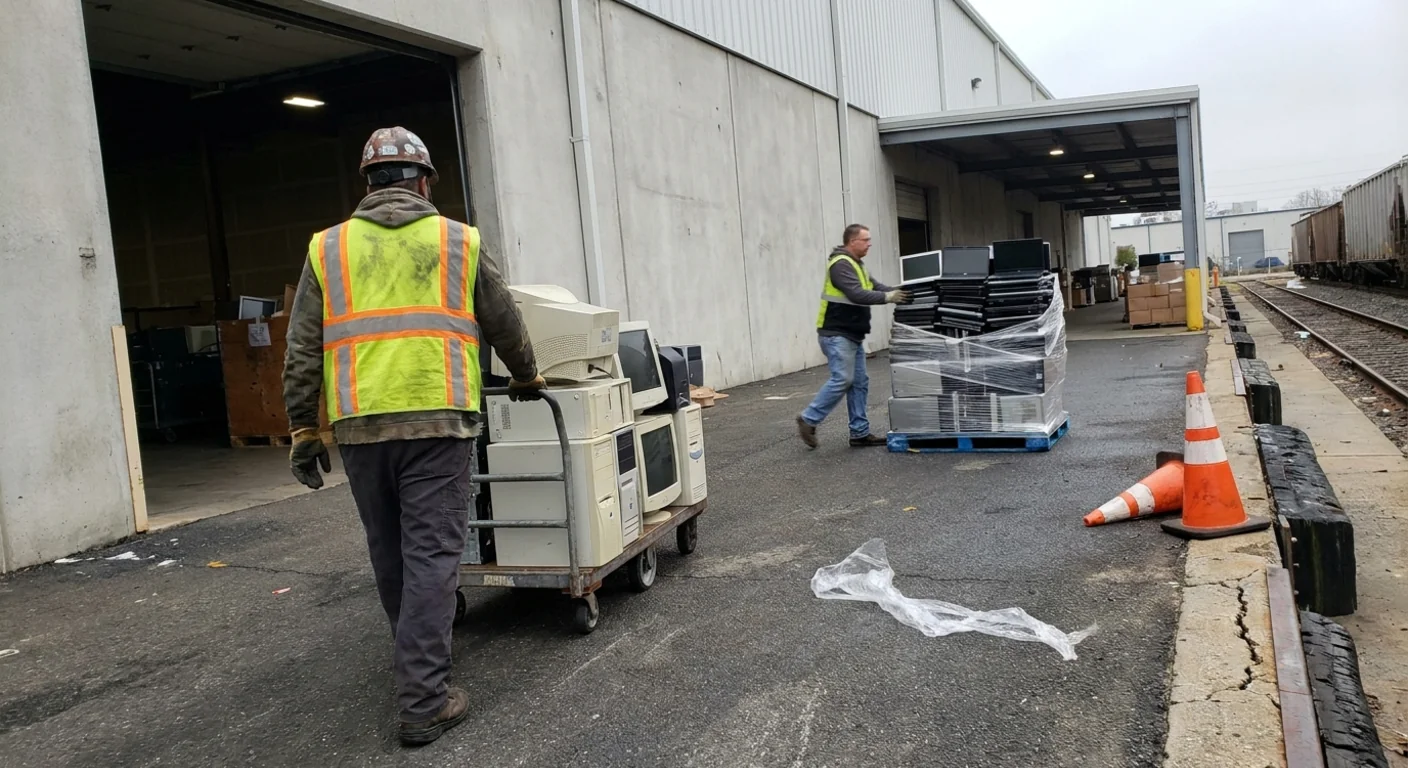
Electronic waste, or e-waste, represents one of the fastest-growing waste streams in the United States. As technology advances and devices become obsolete more quickly, proper disposal of electronics has become a critical environmental and legal concern. Washington, DC, like many jurisdictions, has implemented strict regulations around electronics disposal to prevent toxic materials from entering landfills. For businesses and organizations with operations in both the DC area and Illinois, understanding these requirements and establishing sustainable recycling partnerships is essential for compliance and environmental stewardship.
1. Understanding E-Waste and Legal Requirements
Electronic waste encompasses any discarded electrical or electronic device, from computers and monitors to printers, servers, and mobile devices. These items contain valuable materials like copper, gold, and rare earth elements, but also hazardous substances including lead, mercury, and cadmium. When improperly disposed of in landfills, these toxins can leach into soil and groundwater, creating serious environmental and public health risks.
Washington, DC has established comprehensive electronics recycling laws that prohibit disposal of certain electronics in regular trash. The District's regulations require manufacturers to provide free recycling options for residents and encourage businesses to utilize secure recycling facilities. Similarly, Illinois has banned the landfilling of electronic devices since 2012, making it illegal for both individuals and businesses to throw away computers, monitors, televisions, printers, and other covered electronics.
These regulations reflect a growing recognition that e-waste requires specialized handling. Unlike general waste, electronics must be carefully dismantled, sorted, and processed to recover valuable materials while safely managing hazardous components. Organizations operating in multiple jurisdictions must ensure their disposal practices meet the most stringent applicable standards, regardless of location.
2. What Electronics Can Be Recycled
Most electronic devices can and should be recycled rather than discarded. Commonly accepted items include desktop computers, laptops, tablets, and servers. Monitors and televisions of all types, including CRT, LCD, LED, and plasma displays, require specialized recycling due to their hazardous materials. Printers, copiers, scanners, and fax machines are also recyclable, along with networking equipment like routers, switches, and modems.
Peripheral devices such as keyboards, mice, cables, and power adapters can be recycled as well. Mobile phones, smartphones, and their accessories are increasingly important recycling targets given their short replacement cycles. Office equipment including telecom systems, PBX equipment, and data center hardware also qualifies for secure, transparent recycling.
Chicago Shredder accepts a wide range of electronics from businesses and organizations. Items that still function may be evaluated for potential reuse, extending their lifecycle and reducing waste. Devices that cannot be reused are processed for materials recovery.
3. Secure Processing and Environmental Standards
Not all electronics recycling is created equal. The industry has seen problems with improper export of e-waste to developing countries, where unsafe processing methods harm workers and the environment.
Facilities meeting this standard must demonstrate proper handling of hazardous materials, track materials through the recycling chain, and ensure that no materials are knowingly disposed of in landfills or exported to countries lacking adequate processing infrastructure.
This secure process provides assurance that recycled electronics are managed according to rigorous environmental and ethical standards. For organizations with sustainability commitments or regulatory compliance requirements, working with recycling providers is essential.
4. Business Electronics Recycling Services
Businesses face unique challenges when disposing of electronics. Corporate IT refreshes can generate large volumes of equipment simultaneously. Data security concerns require verified destruction of information stored on devices. Compliance requirements may mandate documentation of proper disposal. Chicago Shredder provides comprehensive services designed to address these business needs.
Pickup services are available throughout the Chicago metropolitan area, including Addison and surrounding communities. Organizations can schedule electronics collection at their convenience, with flexible timing to minimize disruption to operations. The service handles everything from small office cleanouts to large-scale data center decommissioning projects. Equipment is transported securely to prevent data exposure during transit.
For businesses requiring documentation for compliance, sustainability reporting, or internal records, certificates of recycling are available upon request. Organizations subject to regulations like HIPAA, GLBA, or SOX can utilize these services as part of their compliance programs, though specific requirements should be reviewed with legal counsel.
5. Data Security and Hard Drive Destruction
One of the primary concerns when recycling business electronics is data security. Computers, servers, and storage devices often contain confidential business information, customer data, financial records, and other sensitive materials. Simply deleting files or reformatting drives does not make data unrecoverable. Specialized software or physical destruction is necessary to prevent data breaches.
Chicago Shredder offers secure data destruction services at its Addison, IL facility. An on-site hard drive crusher physically destroys drives, rendering them and their data unrecoverable through normal means. This physical destruction method provides a higher level of security than software-based wiping alone, particularly for drives that may have damaged sectors or other issues that could allow partial data recovery.
The facility also employs data sanitization processes aligned with NIST SP 800-88 guidelines for devices that will be evaluated for potential reuse. These are guidelines, not certifications, but they represent industry-recognized practices for clearing data from storage media. For organizations with specific data destruction requirements, Chicago Shredder can discuss options that align with internal policies or regulatory obligations. Documentation of data destruction can be provided when needed for compliance or audit purposes.
6. Residential Versus Business Options
While this guide focuses primarily on business electronics recycling, it's worth understanding how residential and commercial services differ. Washington, DC offers various free and low-cost recycling options for residents, including manufacturer take-back programs and periodic collection events. These programs typically accept smaller quantities of consumer electronics and may have restrictions on commercial or bulk quantities.
Business electronics recycling requires different infrastructure due to larger volumes, data security needs, and documentation requirements. The equipment itself is often different as well, with businesses disposing of enterprise-grade servers, networking equipment, and specialized devices not commonly found in homes.
Chicago Shredder focuses on business and organizational electronics recycling, serving companies, nonprofits, healthcare facilities, educational institutions, and government entities. The service is structured around the unique needs of these clients, including scheduled pickups, secure handling, secure processing, and thorough documentation. Organizations with locations in both the Washington, DC area and Illinois can establish consistent recycling practices across facilities by working with providers who understand multi-location compliance needs.
7. Scheduling Pickup and Service Areas
For Illinois-based organizations ready to recycle electronics, scheduling pickup with Chicago Shredder is straightforward. The company typically responds to inquiries within one business day, allowing for quick turnaround when office space needs to be cleared or equipment needs to be removed on a specific timeline. Service is available throughout the Chicago metropolitan area, with the processing facility located in Addison, IL.
When preparing for pickup, organizations should gather electronics in a central, accessible location to facilitate efficient collection. Items do not need to be boxed or specially prepared in most cases. The pickup team can handle equipment removal, including disconnecting devices if needed. For larger projects involving significant quantities of equipment or specialized items like server racks, discussing logistics in advance helps ensure the appropriate resources are allocated.
Organizations can contact Chicago Shredder at 866-770-2650 to discuss their specific electronics recycling needs, schedule a pickup, or ask questions about what items are accepted. Whether disposing of a few obsolete computers or decommissioning an entire data center, the service scales to meet varying volumes and timelines.
8. Frequently Asked Questions
What happens to electronics after they are collected for recycling?
Devices are evaluated for potential reuse, and those that cannot be reused are carefully dismantled. Materials are sorted and sent to appropriate downstream processors for recovery, with no materials knowingly disposed of in landfills.
How is data security handled during the electronics recycling process?
Data-bearing devices like hard drives are destroyed using an on-site crusher at the Addison, IL facility, rendering data unrecoverable through normal means. Data sanitization processes following NIST SP 800-88 guidelines are also available for devices being evaluated for reuse. Documentation of destruction can be provided when required.
Do you provide certificates of recycling for compliance reporting?
Yes, certificates of recycling are available upon request.
What types of businesses do you serve?
Chicago Shredder serves a wide range of organizations including corporations, healthcare facilities, financial services firms, educational institutions, government agencies, and nonprofits.
Is there a minimum quantity required for pickup service?
Pickup services can accommodate varying quantities, from small office cleanouts to large-scale IT refreshes. Contact Chicago Shredder at 866-770-2650 to discuss your specific situation and confirm service availability for your volume and location.
Why is it illegal to throw electronics in the trash in Illinois?
Illinois banned landfilling of electronics in 2012 due to the hazardous materials they contain, including lead, mercury, and cadmium. These toxins can contaminate soil and groundwater when electronics break down in landfills, creating environmental and public health risks that proper recycling prevents.
Proper electronics recycling protects the environment, supports regulatory compliance, and ensures sensitive data is handled securely. Whether your organization operates in Washington, DC, Illinois, or multiple locations, establishing responsible e-waste disposal practices is essential. For businesses ready to dispose of obsolete electronics responsibly, call 866-770-2650 or visit the website to schedule a pickup and ensure your e-waste is managed according to the highest environmental and security standards.
Ready to schedule a pickup?
Call 866-770-2650 or request a quote online. Every pickup includes clear service documentation.