

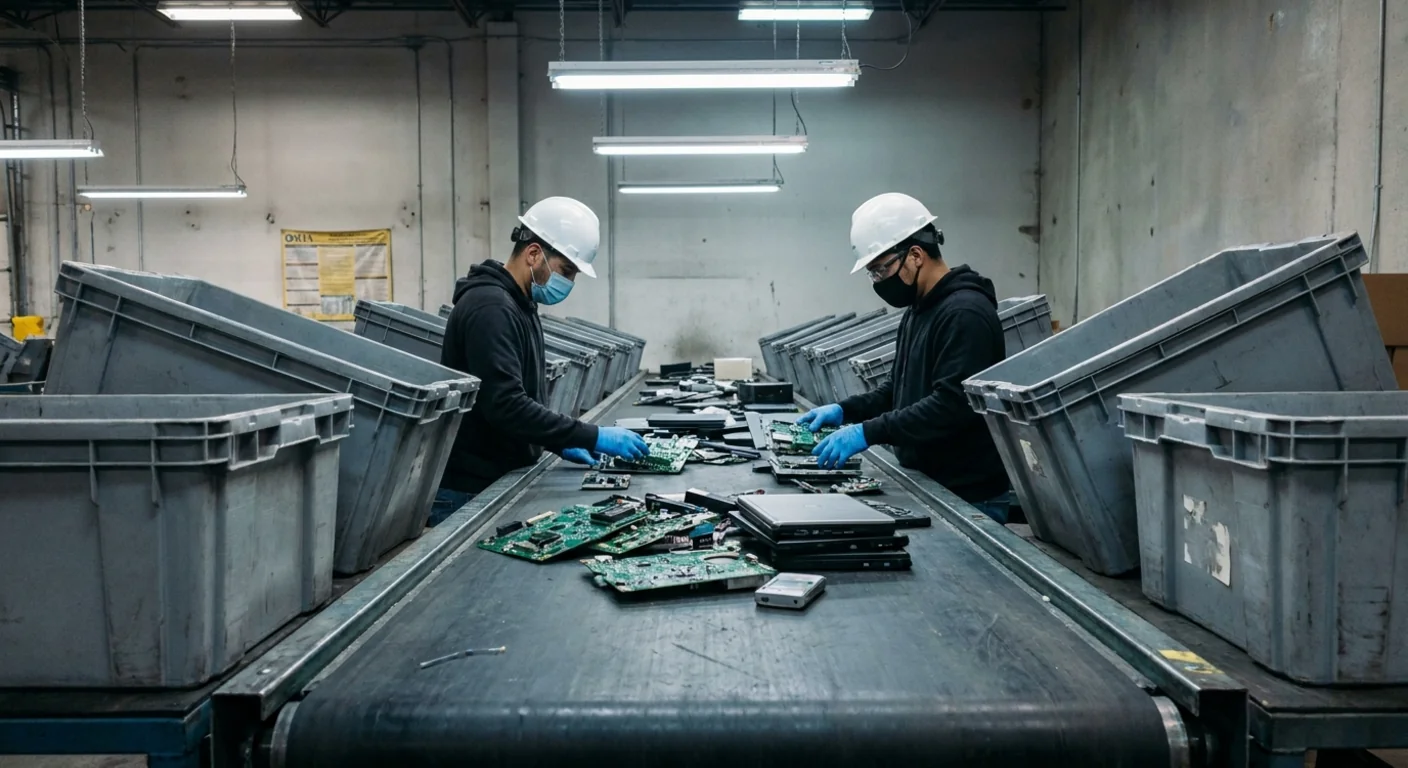
Electronics recycling has become an essential practice for businesses and residents across Illinois, especially as state regulations prohibit landfilling electronic waste. Understanding the proper methods for disposing of outdated computers, monitors, phones, and other devices protects both the environment and your organization's data security. This guide outlines the critical dos and don'ts of electronics recycling to help you make informed decisions about your unwanted technology.
1. Understanding Electronic Waste and Illinois Regulations
Electronic waste, commonly called e-waste, includes any discarded device with a circuit board or electronic components. This category encompasses computers, laptops, monitors, televisions, printers, smartphones, tablets, servers, networking equipment, and peripherals like keyboards and mice. Illinois law specifically prohibits the disposal of covered electronic devices in landfills or incinerators, making proper recycling a legal requirement rather than just an environmental preference.
The Illinois Electronic Products Recycling and Reuse Act was designed to keep toxic materials like lead, mercury, and cadmium out of landfills where they can leach into soil and groundwater. Businesses that fail to comply with these regulations may face penalties and potential liability issues. For organizations handling sensitive data, improper disposal also creates significant security risks that can result in data breaches and compliance violations.
2. What Electronics Can Be Recycled
Nearly all electronic devices can be responsibly recycled through proper channels. Common items accepted include desktop computers, laptops, servers, monitors (both CRT and flat-panel), televisions, printers, copiers, scanners, fax machines, and telecommunications equipment. Mobile devices such as smartphones, tablets, and cell phones are also recyclable, along with networking equipment like routers, switches, and modems.
Peripherals and accessories including keyboards, mice, cables, power supplies, batteries, and hard drives can all be recycled. Office equipment such as shredders, laminators, and point-of-sale systems are accepted as well. For businesses upgrading their IT infrastructure, bulk quantities of mixed electronics are processed efficiently through scheduled pickups.
Certain items require special handling due to their components. CRT monitors and televisions contain lead and other hazardous materials that demand specialized processing. Batteries, particularly lithium-ion batteries found in laptops and mobile devices, are separated and recycled through appropriate channels. Hard drives receive dedicated attention due to data security concerns, with physical destruction options available at Chicago Shredder's Addison, IL facility, which features an on-site hard drive crusher for immediate data sanitization.
3. The Dos of Responsible Electronics Recycling
Choose a recycler that documents chain of custody and provides a Certificate of Recycling. Do back up any important data before recycling devices, as the recycling process is designed to make data unrecoverable.
Do remove personal items and accessories that you wish to keep, such as USB drives, SD cards, or proprietary software disks. Do ask about certificates of recycling, which document the responsible disposal of your electronics and support sustainability reporting requirements.
Do consolidate your electronics before scheduling a pickup to maximize efficiency. For businesses, coordinating quarterly or semi-annual collections often proves more practical than ad-hoc disposal. Do inquire about data destruction services if your devices contain sensitive information. Chicago Shredder offers secure data destruction options designed to support compliance requirements under regulations like HIPAA, GLBA, and FERPA.
Do consider the timing of your technology refresh cycles. Planning electronics recycling in conjunction with equipment upgrades creates a streamlined process and ensures no old devices remain in storage where they might create security risks or take up valuable space.
4. The Don'ts of Electronics Recycling
Don't place electronics in regular trash or dumpsters. Beyond violating Illinois law, this practice risks releasing toxic materials into the environment and may expose your organization to liability. Don't assume that deleting files or reformatting drives is sufficient data protection. Software-based deletion methods can often be reversed using recovery tools, which is why physical destruction or secure data wiping services are recommended for devices that stored sensitive information.
Don't leave old electronics sitting indefinitely in storage rooms or warehouses. Stockpiling outdated equipment creates security risks, ties up space, and may result in damage to devices that could otherwise be refurbished and reused. Don't attempt to dismantle electronics yourself unless you have proper training and equipment. Many electronic devices contain components that can be hazardous when improperly handled, and amateur dismantling often reduces the recyclability of materials.
Some unscrupulous operators may export electronics to developing countries where they are processed under unsafe conditions, or they may dispose of materials in landfills despite claiming to recycle. Don't forget to remove batteries when possible, as they should ideally be recycled separately.
Don't overlook the importance of working with local providers who understand regional regulations.
5. Residential vs. Business Electronics Recycling Options
Residential electronics recycling typically involves smaller quantities and different logistics than business recycling. Illinois residents have access to various drop-off locations and periodic collection events, though these options can be inconvenient for individuals with large quantities of electronics or limited transportation. Chicago Shredder offers services designed to accommodate both residential and commercial needs throughout the Chicago area.
Businesses face unique challenges when recycling electronics, including higher volumes, data security requirements, and compliance obligations. Chicago Shredder provides documentation including certificates of recycling and, when requested, certificates of destruction that detail the data sanitization methods used.
Scheduling logistics differ between residential and business customers. While individual residents may prefer drop-off options or infrequent pickups, businesses often benefit from scheduled recurring services that align with technology refresh cycles. Large organizations may require on-site hard drive destruction to maintain chain of custody for sensitive data storage devices. Chicago Shredder's Addison, IL facility features an on-site hard drive crusher that provides immediate physical destruction when needed.
6. Pickup Logistics Across the Chicago Metro Area
Chicago Shredder provides pickup services throughout the Chicago metropolitan area, offering convenient solutions for businesses and residents who need to recycle electronics. The service area covers Chicago proper and extends into surrounding suburbs, making professional electronics recycling accessible across the region. Scheduling a pickup typically begins with a phone call to 866-770-2650 or through the online scheduling system.
During the initial contact, customers provide information about the types and approximate quantities of electronics to be recycled. This information helps Chicago Shredder coordinate appropriate vehicles and personnel for the pickup. For large commercial pickups involving pallets of equipment or entire data center decommissions, advance planning ensures efficient execution and minimal disruption to business operations.
Pickup timing varies based on location and volume, though Chicago Shredder typically responds to inquiries within one business day. Many customers prefer to consolidate electronics in a designated area before pickup, which streamlines the collection process. Businesses with ongoing needs can establish regular pickup schedules, such as quarterly collections, to maintain a systematic approach to electronics disposal.
For organizations with specific security requirements, Chicago Shredder can coordinate supervised pickups where designated personnel oversee the loading and transport of sensitive equipment.
7. Certificates of Recycling and Sustainability Reporting
Documentation plays an important role in corporate sustainability initiatives and compliance programs. Certificates of recycling provide official records of the materials processed, typically listing the weight and general categories of electronics recycled.
Many organizations incorporate electronics recycling data into their annual sustainability reports or environmental impact assessments. This documentation helps organizations track their diversion of waste from landfills and measure progress toward environmental goals.
For businesses subject to data protection regulations, certificates of destruction complement certificates of recycling by documenting the specific methods used to sanitize data storage devices. These certificates typically identify the data destruction standard applied, such as physical destruction, and may include serial numbers of destroyed hard drives when chain of custody documentation is required.
Sustainability reporting has become increasingly important for businesses seeking to demonstrate environmental stewardship to customers, investors, and stakeholders. Proper documentation of electronics recycling provides verifiable metrics that strengthen these reports and differentiate organizations committed to responsible practices.
8. Frequently Asked Questions
Is electronics recycling free in Chicago?
Pricing for electronics recycling varies depending on the type and quantity of materials. Many items are accepted at no charge, while certain devices like CRT monitors and televisions may incur fees due to the specialized processing they require. Chicago Shredder provides transparent pricing and can offer quotes based on your specific needs.
How do I ensure my data is completely destroyed before recycling?
Chicago Shredder offers secure data destruction services including physical hard drive destruction at our Addison, IL facility, which features an on-site hard drive crusher. Simply deleting files or reformatting drives is not sufficient for devices that stored sensitive information, as data can often be recovered using specialized software.
Can businesses get certificates documenting their electronics recycling?
Yes, Chicago Shredder provides certificates of recycling that document the weight and types of materials processed, along with confirmation that items were handled through processing facilities.
How far in advance do I need to schedule a pickup?
Chicago Shredder typically responds to pickup requests within one business day. However, scheduling in advance is recommended for large commercial pickups or if you need service on a specific date. Contact us at 866-770-2650 to discuss your timeline and requirements.
What happens to my electronics after they are picked up?
Materials are separated for recycling, with components like metals, plastics, and circuit boards processed through appropriate channels. No materials are knowingly disposed of in landfills.
Responsible electronics recycling requires attention to both environmental regulations and data security concerns. By following the dos and don'ts outlined in this guide, Chicago-area businesses and residents can ensure their unwanted electronics are handled properly while supporting sustainability goals and compliance requirements. Whether you need to recycle a single computer or coordinate the disposal of an entire data center, professional guidance ensures the process is handled efficiently and responsibly. To schedule a pickup or learn more about electronics recycling options, call Chicago Shredder at 866-770-2650 or visit our website to request service.
Ready to schedule a pickup?
Call 866-770-2650 or request a quote online. Every pickup includes clear service documentation.