
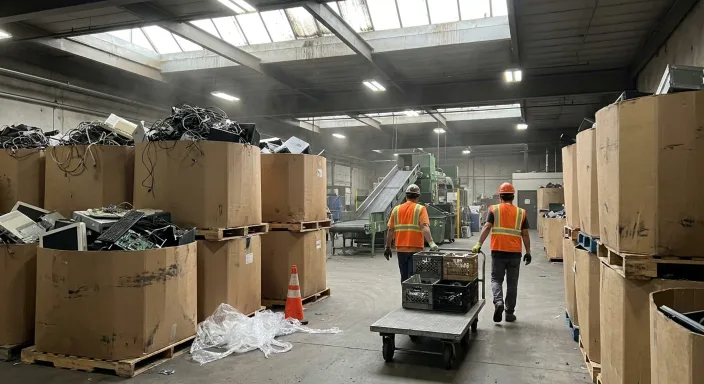
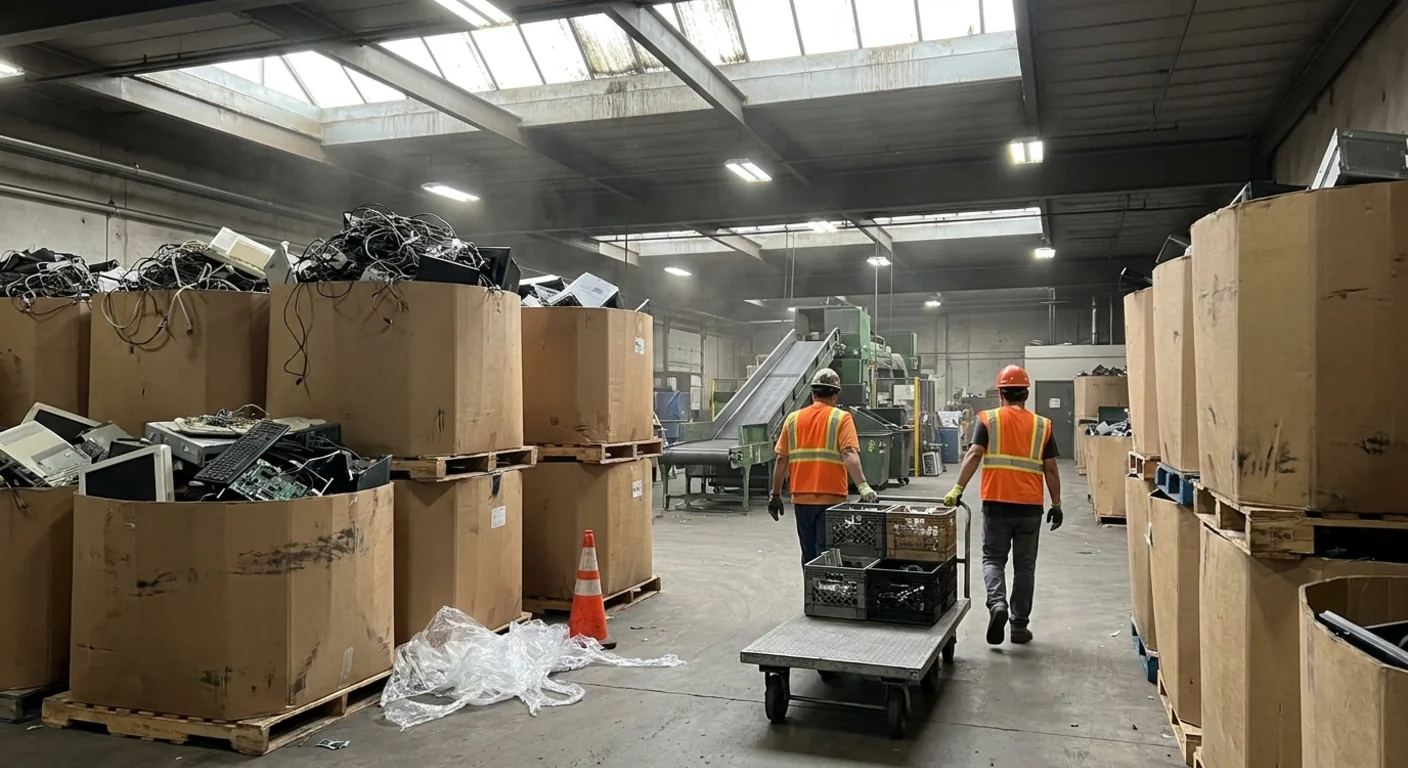
Electronic waste, commonly called e-waste, represents one of the fastest-growing waste streams in the United States. From outdated computers and smartphones to printers and networking equipment, discarded electronics contain valuable materials and hazardous substances that require proper handling. In Illinois, where landfilling electronics is prohibited by state law, understanding e-waste recycling options has become essential for both businesses and residents. Chicago Shredder provides comprehensive electronics recycling services across the Chicago metro area, ensuring devices are processed responsibly through processing facilities.
1. What Qualifies as E-Waste and Why Illinois Prohibits Landfilling
E-waste encompasses any electronic device containing a circuit board or battery. This broad category includes desktop computers, laptops, monitors, televisions, printers, copiers, servers, networking equipment, smartphones, tablets, and peripheral devices like keyboards and mice. Even smaller items such as power supplies, cables, and circuit boards fall under e-waste regulations.
Illinois enacted the Electronic Products Recycling and Reuse Act to prevent toxic materials from entering landfills. Electronics contain lead, mercury, cadmium, and other substances that can leach into soil and groundwater when improperly disposed. The state law specifically prohibits residents and businesses from placing covered electronic devices in standard waste streams. Violating these regulations can result in significant fines for businesses.
The environmental rationale extends beyond toxicity concerns. Electronics contain recoverable materials including precious metals, copper, aluminum, and plastics. Industry studies suggest that mining new materials generates substantially more environmental impact than recovering these resources from existing devices. Proper recycling captures these materials for reuse while preventing environmental contamination.
2. What Electronics Can Be Recycled Through Chicago Shredder
Chicago Shredder accepts a comprehensive range of electronic equipment from both residential and commercial sources. Computer equipment represents the most common category, including desktop towers, all-in-one systems, laptops, monitors, and associated peripherals. Businesses replacing entire IT infrastructures can schedule bulk pickups for hundreds or thousands of units simultaneously.
Networking and telecommunications equipment also qualifies for recycling. This includes servers, routers, switches, modems, phone systems, and backup battery units. Many organizations underestimate the volume of these devices accumulated in closets and storage areas over years of technology upgrades. Office equipment such as printers, copiers, scanners, fax machines, and shredders are accepted regardless of age or condition.
Consumer electronics round out the acceptable materials list. Televisions, including older CRT models and modern flat screens, require specialized handling due to their construction. Smartphones, tablets, gaming consoles, and other personal devices are processed alongside commercial equipment. Even broken or non-functional devices retain recyclable value through material recovery.
3. More to Consider
This secure process demonstrates adherence to recognized industry practices for electronics recycling, including environmental health and safety requirements, data security protocols, and downstream material tracking.
Incoming materials are tracked through documented chain-of-custody procedures. Devices undergo assessment to determine whether refurbishment for reuse is feasible or if material recovery represents the appropriate path. When equipment cannot be refurbished, systematic dismantling separates materials into categories for specialized processing.
Data-bearing devices receive particular attention within processing facilities. Storage media is removed from computers and servers before equipment enters general processing streams. This separation ensures sensitive information undergoes appropriate destruction separate from the physical device recycling.
4. Residential Versus Business Recycling Options
Chicago Shredder serves both residential customers and commercial clients, though service options differ by volume and frequency. Residential customers typically accumulate smaller quantities of electronics over time. A household replacing computers, disposing of old televisions, or clearing accumulated devices from basements and garages might generate a few boxes or a truckload of material.
Businesses generate e-waste through different mechanisms. Technology refresh cycles create predictable volumes when organizations upgrade desktop fleets, replace servers, or transition to new phone systems. Office closures, relocations, or consolidations generate immediate large-volume disposal needs. Even ongoing operations produce steady streams of failed equipment, outdated devices, and end-of-lease returns requiring proper disposition.
The scale difference influences logistics and pricing. Residential pickups may be scheduled individually or combined with commercial routes serving nearby businesses. Commercial clients with regular disposal needs can establish ongoing service agreements. Large one-time projects receive customized logistics planning to minimize disruption to business operations.
5. Pickup Logistics Across the Chicago Metro Area
Chicago Shredder provides pickup services throughout the Chicago metropolitan area, including the city of Chicago and surrounding suburbs. The service area extends from the Wisconsin border south through Will County and from Lake Michigan west into Kane and DuPage counties. This geographic coverage enables convenient scheduling for businesses and residents across the region.
Pickup logistics begin with an initial consultation to assess volume, equipment types, and access considerations. Businesses with loading docks and ground-level access require different planning than those in high-rise buildings or facilities with limited parking. The consultation identifies any items requiring special handling, such as extremely heavy equipment or devices containing sensitive data needing on-site destruction.
Scheduling accommodates client preferences and operational constraints. Some organizations prefer after-hours or weekend pickups to avoid disrupting business activities. Others schedule during regular business hours when staff can supervise the process. Pickup crews arrive with appropriate equipment including hand trucks, pallet jacks, and lift gates depending on the scope of work. Materials are loaded securely for transport to processing facilities, with documentation provided confirming the chain of custody.
6. Certificates of Recycling for Sustainability Reporting
Businesses increasingly face requirements or expectations to document environmental stewardship. Sustainability reports, corporate social responsibility disclosures, and regulatory filings may require proof that electronics were disposed of properly rather than landfilled. Chicago Shredder provides certificates of recycling that document the materials collected and Choose a recycler that documents chain of custody and provides a Certificate of Recycling.
These certificates typically include the collection date, general description of materials, estimated weight, and confirmation that items were processed in accordance with environmental regulations. This documented trail supports businesses in demonstrating compliance with internal policies and external requirements.
Organizations pursuing green building certifications, environmental management system compliance, or industry-specific sustainability benchmarks use these certificates as evidence of responsible practices. The documentation also proves valuable during audits or regulatory inquiries regarding waste disposal. Maintaining records of electronics recycling alongside other waste stream documentation creates a complete picture of an organization's environmental impact management.
7. How to Schedule Electronics Recycling Services
Scheduling electronics recycling with Chicago Shredder begins with a phone call or online inquiry. Prospective clients can reach the team at 866-770-2650 to discuss their specific needs. Initial conversations cover the types and quantities of equipment, location details, timing preferences, and any special requirements such as data destruction or asset recovery.
The scheduling process includes a straightforward quote based on the information provided. Variables affecting pricing include total volume, equipment types, accessibility, and service urgency. Standard commercial pickups are typically scheduled within one to two weeks, though expedited service is available when business needs require faster turnaround. Residential customers may experience slightly longer scheduling windows depending on route optimization.
Once scheduled, clients receive confirmation with the date, estimated arrival window, and any preparation instructions. For larger commercial pickups, preparation might include consolidating equipment in a designated area or creating an inventory list. On the scheduled date, the pickup crew handles loading and transportation, providing documentation upon completion.
8. Frequently Asked Questions
Is electronics recycling free in Illinois?
While Illinois law prohibits landfilling electronics, recycling services typically involve fees based on volume and equipment types. Some manufacturers offer take-back programs for their specific products, but comprehensive commercial recycling services operate on a fee basis to cover collection, transportation, and secure processing costs.
What happens to my data when electronics are recycled?
Chicago Shredder offers data destruction services separate from physical recycling. Storage devices are removed and can be destroyed on-site at the Addison, IL facility using a hard drive crusher, or through degaussing and shredding processes designed to support compliance requirements. Certificates of destruction document the process for audit purposes.
Can I recycle broken or non-functional electronics?
Yes, electronics are accepted regardless of working condition. Broken devices, non-functional equipment, and obsolete technology all contain recoverable materials. The recycling process focuses on material recovery rather than device functionality, making condition largely irrelevant to recyclability.
How much e-waste can be picked up at one time?
Chicago Shredder handles pickups ranging from a few boxes of residential electronics to full truckloads from commercial technology refreshes. There is no practical upper limit, with logistics customized to match the volume. Large projects involving entire data centers or office building cleanouts are scheduled with appropriate equipment and personnel.
Do you recycle consumer electronics like phones and tablets?
Yes, consumer electronics including smartphones, tablets, gaming systems, and personal computers are accepted alongside commercial equipment.
The environmental impact of improperly disposed electronics extends from toxic soil contamination to wasted recovery opportunities for valuable materials. Illinois regulations recognize these risks by prohibiting landfill disposal, creating a legal obligation for proper recycling alongside the environmental imperative. Chicago Shredder addresses both concerns by providing convenient pickup services across the Chicago metro area and ensuring all materials are processed through processing facilities. Whether managing a one-time residential cleanout or ongoing commercial IT disposal needs, proper electronics recycling protects the environment while supporting compliance requirements. Contact Chicago Shredder at 866-770-2650 to discuss your electronics recycling needs and schedule a pickup that fits your timeline and volume requirements.
Ready to schedule a pickup?
Call 866-770-2650 or request a quote online. Every pickup includes clear service documentation.