
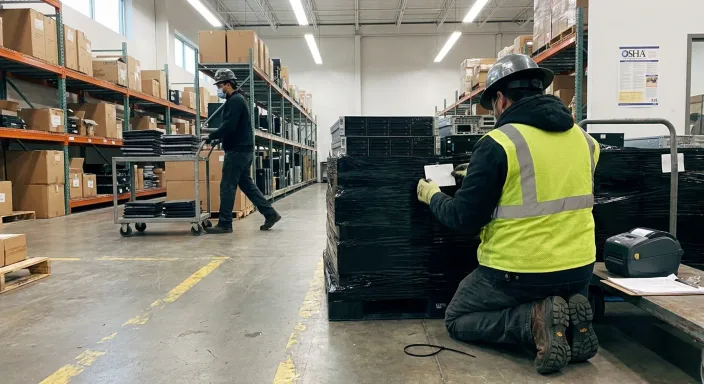
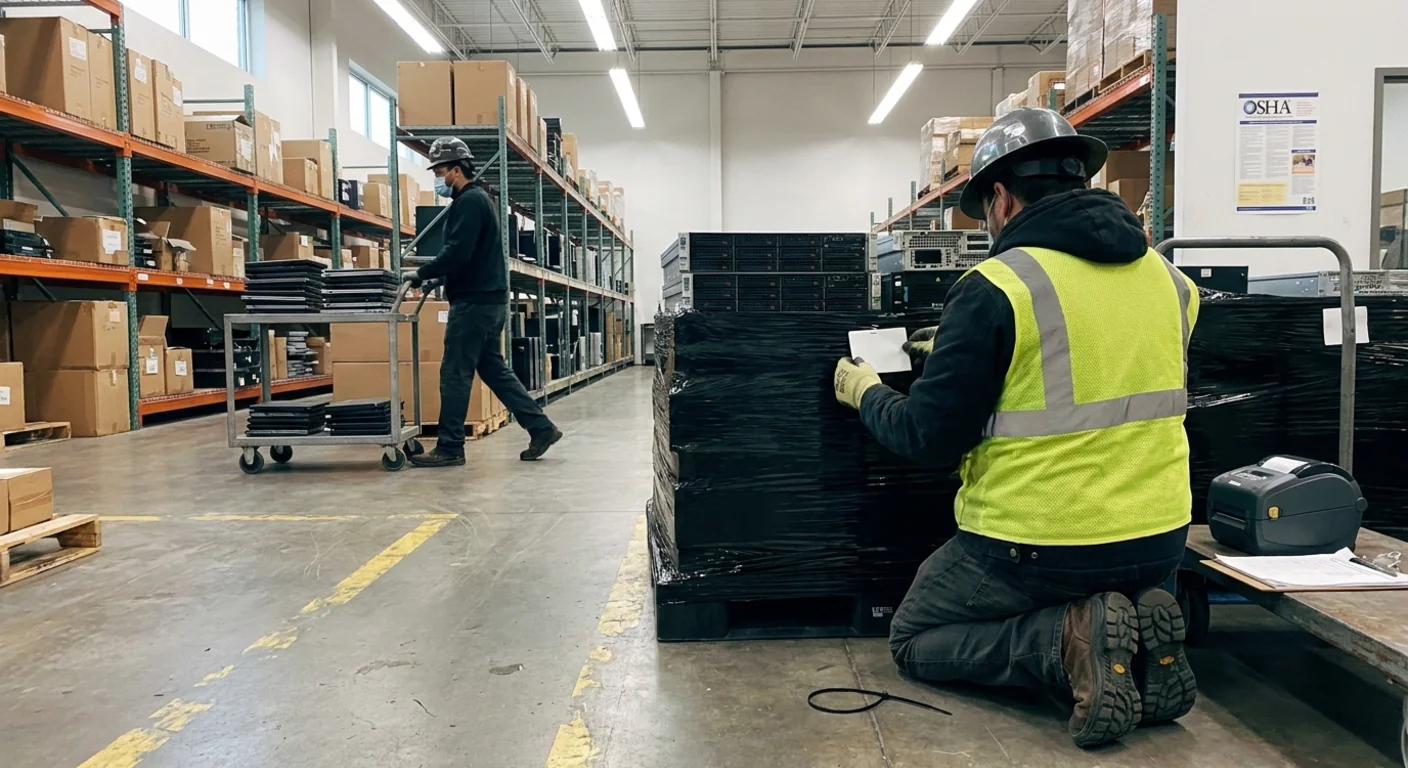
As organizations upgrade systems and phase out aging hardware, proper ITAD ensures assets are handled securely from initial pickup through final processing. For Illinois companies managing equipment lifecycles, understanding the components of professional ITAD services helps minimize risk while maximizing value recovery and environmental responsibility.
1. Understanding IT Asset Disposition
IT asset disposition encompasses the business process of retiring and disposing of obsolete or unwanted equipment in a safe, secure, and environmentally responsible manner. Unlike simple electronics recycling, ITAD addresses the complete lifecycle management of technology assets, including inventory documentation, data sanitization, asset valuation, and proper materials handling.
For Chicago businesses, ITAD extends beyond environmental considerations to include security protocols designed to support compliance requirements under regulations like HIPAA, GLBA, and SOX. The process begins when equipment is no longer useful to an organization and continues through documentation, transportation, data destruction, and final disposition of materials.
A comprehensive ITAD program accounts for desktop computers, servers, networking equipment, mobile devices, storage media, and peripherals. Each asset category requires specific handling protocols based on data security requirements and material composition. Professional ITAD providers manage these variables while maintaining detailed records throughout the process.
2. Asset Inventory and Chain of Custody Documentation
Proper ITAD begins with detailed asset inventory capturing serial numbers, make, model, and condition of each item. This documentation establishes accountability and enables businesses to track equipment from the moment it leaves their facility through final disposition. For organizations with audit requirements, this paper trail becomes essential evidence of responsible asset management.
Chain of custody protocols ensure no gaps exist in the tracking process. When Chicago Shredder collects equipment from client locations, each item is logged and assigned to a specific batch. This creates an unbroken record showing exactly where assets traveled, who handled them, and what processes were applied at each stage.
Businesses can typically schedule pickups by calling 866-770-2650, with response times designed to accommodate operational needs. The inventory process includes photographing equipment when required and generating manifests that clients retain for their records. This systematic approach provides the documentation necessary for internal audits, regulatory reviews, and financial reporting related to asset disposal.
3. Secure Data Destruction as Part of ITAD
Data security represents perhaps the most critical component of IT asset disposition. Before any equipment enters the recycling stream, all data-bearing devices must undergo sanitization designed to make information unrecoverable. This applies not only to obvious storage devices like hard drives and SSDs but also to copiers, multifunction printers, and networking equipment that may retain sensitive information.
Chicago Shredder operates an on-site hard drive crusher at its Addison, Illinois facility, providing physical destruction services that render drives inoperable and data inaccessible. For organizations with heightened security requirements, physical destruction provides an additional layer of assurance.
Standards like DoD 5220.22-M and guidelines such as NIST SP 800-88 inform the protocols applied to different equipment categories. Following destruction, clients receive certificates of destruction documenting the process, serial numbers of destroyed devices, and the methods employed.
4. Refurbish Versus Recycle Decision Framework
Not all retired IT equipment proceeds directly to recycling. Many assets retain functional value and can be refurbished for redeployment within the organization, sold to secondary markets, or donated to educational institutions and nonprofits. The decision between refurbishment and recycling depends on equipment age, condition, market demand, and organizational policies.
ITAD providers evaluate each asset category to determine the highest and best use. Recent-model equipment in good working condition may justify refurbishment efforts, while older technology with limited secondary market value proceeds directly to materials recovery. This evaluation process maximizes value recovery for clients while ensuring unusable equipment reaches appropriate recycling channels.
For Chicago-area businesses, this decision framework can generate cost offsets that reduce net disposal expenses. Equipment with residual value may be credited against service fees, creating a more affordable ITAD program overall. However, data security considerations always take precedence. Even equipment destined for refurbishment undergoes complete data sanitization before leaving the secure processing environment.
5. More to Consider
This secure process demonstrates adherence to specific standards for electronics recycling, including environmental health and safety practices, data security protocols, and downstream vendor management.
Processing facilities must demonstrate proper handling of hazardous materials, implement quality management systems, and maintain documentation proving responsible downstream recycling.
Metals, plastics, glass, and other components are separated and sent to specialized processors. No materials are knowingly disposed of in landfills, supporting the environmental objectives that drive many corporate sustainability programs. Illinois businesses seeking to document their environmental responsibility can reference this secure processing as evidence of their commitment.
6. Data Disposal Considerations
Healthcare organizations, financial institutions, educational institutions, and government agencies face specific regulatory requirements when disposing of IT equipment. HIPAA-covered entities must ensure protected health information is destroyed in accordance with the Privacy and Security Rules. Financial services firms under GLBA must protect customer information throughout the disposal process. Educational institutions subject to FERPA have similar obligations regarding student records.
For Chicago businesses operating in regulated industries, selecting an ITAD provider with experience in compliance-driven environments helps ensure nothing is overlooked. The combination of secure data destruction, chain of custody documentation, and certificates of recycling creates the paper trail regulators expect when reviewing asset disposition practices.
7. Chicago-Area Logistics Advantages
Geographic proximity matters when managing IT asset disposition. Chicago Shredder's Addison, Illinois location provides convenient access for businesses throughout the Chicago metropolitan area, reducing transportation time and costs. Local service means faster response to pickup requests and easier coordination for organizations with specific scheduling needs.
Transportation represents a significant component of ITAD costs, particularly for businesses disposing of large volumes of equipment. Working with a local provider minimizes these expenses while reducing the carbon footprint associated with long-distance hauling. For companies with sustainability metrics that include Scope 3 emissions, shorter transportation distances contribute to improved environmental performance.
The Chicago area's concentration of businesses creates economies of scale that support more affordable ITAD services. Providers can optimize routes, consolidate pickups, and operate more efficiently when serving a dense customer base. These operational efficiencies often translate to competitive pricing for clients. Organizations can typically schedule service by calling 866-770-2650 to discuss their specific requirements and obtain customized quotes based on volume, equipment types, and service needs.
8. Frequently Asked Questions
What types of equipment are covered under ITAD services?
ITAD services typically cover all business technology equipment including desktop computers, laptops, servers, networking hardware, storage devices, mobile devices, printers, copiers, and peripherals. Specialized equipment like medical devices with embedded technology or industrial control systems can also be included depending on provider capabilities.
How long does the ITAD process take from pickup to completion?
Timeline varies based on volume and service requirements, but providers typically respond to pickup requests within one business day. Processing time depends on the scope of data destruction required and whether assets will be evaluated for refurbishment. Most projects are completed within two to four weeks, with certificates of destruction and recycling provided upon completion.
What documentation will I receive after ITAD services are completed?
Clients receive certificates of destruction for data-bearing devices, certificates of recycling documenting materials processing, and detailed inventory reports showing all assets processed. These documents include serial numbers, destruction methods applied, and confirmation that materials were processed through processing facilities.
Can ITAD services accommodate secure on-site data destruction?
Many ITAD providers offer on-site hard drive destruction for organizations with policies requiring witnessed destruction or equipment that cannot leave the premises due to security classifications. Chicago Shredder's facility in Addison, Illinois features an on-site crusher for hard drive destruction, providing physical destruction that renders data unrecoverable.
How does asset remarketing work within ITAD programs?
Equipment with residual market value can be refurbished and remarketed after complete data sanitization. The proceeds from remarketing may be credited against service fees, reducing net disposal costs. Organizations can specify whether they want to participate in remarketing programs or prefer all equipment to proceed directly to recycling.
What happens to equipment that cannot be refurbished?
Equipment without reuse value is dismantled and processed for materials recovery. No materials are knowingly disposed of in landfills.
For Chicago-area organizations, working with a local provider offers logistical advantages that reduce costs while ensuring equipment is processed through processing facilities with established security protocols. The combination of secure data destruction, detailed chain of custody tracking, and responsible materials recovery creates a comprehensive approach to technology retirement. Call 866-770-2650 or schedule a pickup to discuss your specific ITAD needs and receive a customized quote based on your equipment inventory and service requirements.
Ready to schedule a pickup?
Call 866-770-2650 or request a quote online. Every pickup includes clear service documentation.