
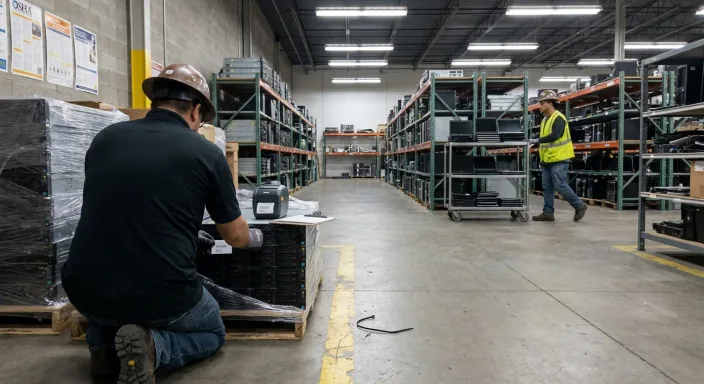
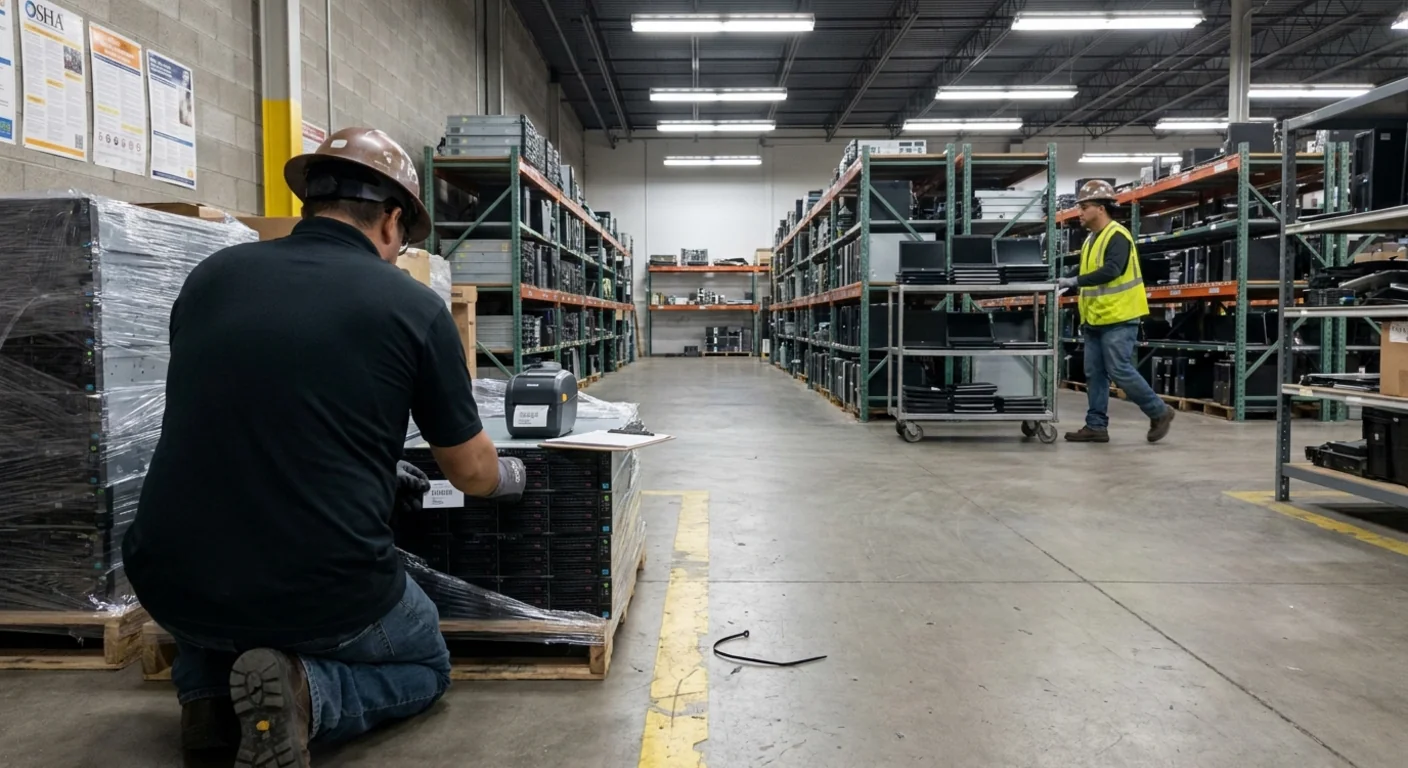
IT asset disposition (ITAD) represents a critical intersection of data security, environmental responsibility, and economic opportunity for Illinois businesses. As organizations across Chicago and the surrounding region retire aging technology infrastructure, the way they manage end-of-life equipment directly affects their bottom line, compliance posture, and environmental footprint. Professional ITAD services transform potential liabilities into measurable value through secure data destruction, asset recovery, and sustainable recycling. Understanding the economic implications of ITAD helps organizations make informed decisions about technology lifecycle management.
1. What IT Asset Disposition Means for Illinois Businesses
IT asset disposition encompasses the complete lifecycle management of technology assets from retirement through final disposition. This process includes secure data sanitization, equipment evaluation, potential resale or refurbishment, and environmentally sound recycling of materials that cannot be reused. For Illinois businesses, ITAD represents both a risk management necessity and an economic opportunity.
The ITAD process begins when organizations identify technology assets that have reached end of service life, whether due to hardware failure, technology obsolescence, or scheduled refresh cycles. Rather than simply discarding these assets, professional ITAD creates pathways for value recovery while ensuring data security and environmental compliance. The economic impact extends beyond individual organizations to affect regional employment, material recovery industries, and waste reduction initiatives.
Chicago Shredder provides comprehensive ITAD services that address both security and economic considerations. This documented framework supports organizations in meeting their own compliance requirements while contributing to broader environmental and economic objectives.
2. Asset Inventory and Chain of Custody Documentation
Proper asset tracking forms the foundation of economically effective ITAD. When organizations maintain detailed inventories of their IT equipment, they gain visibility into asset values, depreciation schedules, and potential recovery opportunities.
Chain of custody documentation tracks each piece of equipment from the moment it leaves an organization's facility through final disposition. This documentation includes serial numbers, asset tags, condition assessments, and disposition methods. For organizations with regulatory obligations designed to support HIPAA, GLBA, or SOX compliance requirements, these records provide essential evidence of proper data security and disposal practices.
The economic value of comprehensive documentation extends beyond compliance. Detailed asset tracking enables organizations to identify patterns in equipment longevity, optimize refresh cycles, and make data-driven purchasing decisions. When businesses understand which assets retain residual value and which require recycling, they can maximize recovery while minimizing disposal costs.
3. Secure Data Destruction as Economic Protection
Data breaches carry substantial economic consequences, with industry studies suggesting average costs ranging from hundreds of thousands to millions of dollars depending on the scale and nature of exposed information. Secure data destruction during ITAD protects organizations from these potential liabilities while enabling safe asset disposition. The economic protection provided by secure data sanitization far exceeds the service cost.
Chicago Shredder operates an on-site hard drive crusher at its Addison, Illinois facility, providing physical destruction services that render data designed to be unrecoverable. This physical destruction method offers certainty for organizations with high-security requirements or assets containing particularly sensitive information. For devices suitable for software-based sanitization, processes following NIST SP 800-88 guidelines provide documented data removal that supports compliance frameworks.
The choice between physical destruction and software sanitization carries economic implications. Physical destruction ensures complete data security but eliminates potential resale value of storage devices. Software sanitization, when properly executed and documented, allows functional drives to enter secondary markets, generating recovery value while maintaining security standards. Professional ITAD providers help organizations navigate these decisions based on data sensitivity, compliance requirements, and value recovery goals.
4. The Refurbish Versus Recycle Decision Framework
Not all retired IT assets follow the same path. Some equipment retains sufficient functionality and market value to justify refurbishment and resale, while other assets proceed directly to material recovery and recycling. This decision point significantly affects the economic outcomes of ITAD programs. Equipment that can be refurbished generates substantially higher returns than materials sent for commodity recycling.
Several factors influence the refurbish versus recycle decision. Equipment age, condition, market demand, and technological relevance all play roles. Current-generation devices with minimal wear often find ready secondary markets, particularly when properly sanitized and tested. Older equipment or devices with significant damage typically move to recycling channels where material recovery becomes the primary value source.
Professional ITAD providers evaluate each asset individually, making disposition recommendations based on market conditions and organizational priorities. Some businesses prioritize maximum value recovery, accepting longer timelines for equipment sales. Others prioritize rapid disposition and simplified logistics, preferring recycling pathways even for potentially marketable equipment. Chicago Shredder works with organizations to align ITAD strategies with their specific economic and operational objectives, ensuring that disposition decisions support broader business goals.
5. Secure Processing and Downstream Value Chains
The downstream processing of electronic materials directly affects both environmental outcomes and economic value recovery. This secure process establishes standards for secure, transparent recycling practices, material tracking, and downstream vendor management. When electronics move through processing facilities, organizations gain assurance that materials are handled according to documented standards while supporting legitimate recovery markets.
This documented framework requires comprehensive tracking of materials, prohibition of improper export to developing nations, and verification of downstream processors. These requirements protect organizations from reputational and legal risks associated with improper disposal while ensuring that recovered materials enter appropriate markets.
The economic implications of secure processing extend throughout the value chain. Proper material separation and processing maximize commodity recovery values. Precious metals, copper, aluminum, and other materials retain market value when properly extracted and processed. Processing facilities invest in equipment and processes that optimize these recovery rates, generating economic returns that benefit both recycling operations and client organizations. No materials are knowingly disposed of in landfills, ensuring that maximum value is recovered from retired assets.
6. Data Disposal Considerations
Organizations face numerous regulatory requirements related to data security and environmental management.
Illinois businesses subject to HIPAA regulations require documented destruction of devices containing protected health information. Financial institutions must address GLBA requirements for customer data protection. Educational institutions work within FERPA guidelines for student information. Public companies navigate SOX requirements for financial data controls.
These records demonstrate proper handling of sensitive equipment and Choose a recycler that documents chain of custody and provides a Certificate of Recycling. When organizations face audits or compliance reviews, comprehensive ITAD documentation provides evidence of proper practices. The economic value of avoiding compliance failures and associated penalties justifies the investment in professional disposition services.
7. Chicago Area Logistics Advantages for ITAD Programs
Geographic proximity to ITAD service providers offers significant economic advantages. Transportation costs, service responsiveness, and logistical complexity all decrease when working with local providers. The Chicago metropolitan area, with its concentration of businesses and excellent transportation infrastructure, provides an ideal environment for efficient ITAD operations.
Chicago Shredder's Addison, Illinois location provides convenient access for businesses throughout the Chicago region and across Illinois. Organizations can schedule pickup services that align with their operational needs, minimizing disruption and internal handling requirements. Local processing also reduces the environmental impact of transportation while supporting the regional economy through local employment and business operations.
The logistics advantages extend to service flexibility and responsiveness. Local providers can accommodate urgent requests, provide on-site services when needed, and maintain regular communication throughout the disposition process. Chicago Shredder typically responds to inquiries within one business day, enabling organizations to plan ITAD activities with confidence. For businesses managing multiple locations or large-scale technology refreshes, coordinated local services simplify project management and reduce overall program costs.
8. Frequently Asked Questions
How does professional ITAD generate economic value compared to simple disposal?
Professional ITAD captures value through potential equipment resale, material commodity recovery, and risk mitigation. Equipment with remaining utility can be refurbished and sold, generating returns that offset or exceed service costs. Even assets without resale value contain recoverable materials like precious metals and copper that have market value. Additionally, proper data destruction and compliance documentation protect organizations from costly data breaches and regulatory penalties.
What documentation should organizations expect from ITAD service providers?
Comprehensive ITAD services include detailed asset inventories with serial numbers and condition assessments, chain of custody documentation tracking equipment through disposition, certificates of data destruction specifying sanitization methods, and final disposition reports indicating whether assets were refurbished, recycled, or destroyed.
What factors determine whether retired IT equipment should be refurbished or recycled?
The refurbish versus recycle decision depends on equipment age, functional condition, market demand, and data security requirements. Current-generation devices in good working condition with strong secondary market demand are candidates for refurbishment after secure data sanitization. Older equipment, damaged devices, or assets containing highly sensitive data that require physical destruction typically proceed to material recycling. Professional ITAD providers evaluate these factors to recommend disposition paths that align with organizational priorities.
How does local ITAD service delivery affect program costs and efficiency?
Local service providers reduce transportation costs, enable faster response times, and simplify logistics coordination. Proximity allows for flexible pickup scheduling, potential on-site services, and easier communication throughout the disposition process. These factors reduce internal handling requirements, minimize equipment storage needs, and allow organizations to complete ITAD projects more efficiently. The economic benefits of local service often exceed any potential cost differences compared to distant providers.
Which regulatory requirements may apply to this topic?
Professional ITAD services are designed to support various regulatory requirements including HIPAA for healthcare data protection, GLBA for financial institution customer information, SOX for public company financial controls, and FERPA for educational institution student records. Service providers offer documented data destruction methods, chain of custody tracking, and compliance reporting that help organizations meet these requirements.
IT asset disposition represents a significant economic opportunity for Illinois businesses when approached strategically. Through professional services that combine secure data destruction, asset value recovery, secure recycling, and comprehensive documentation, organizations transform potential liabilities into measurable benefits. The economic impact extends from individual asset recovery values to broader risk mitigation, compliance support, and environmental stewardship. Chicago Shredder provides complete ITAD solutions designed to maximize these economic benefits while maintaining the highest standards for data security and environmental responsibility. To discuss how professional ITAD services can support your organization's technology lifecycle management and economic objectives, call 866-770-2650 or schedule a pickup today.
Ready to schedule a pickup?
Call 866-770-2650 or request a quote online. Every pickup includes clear service documentation.