IT asset disposition (ITAD) is the process of securely retiring, redeploying, or recycling outdated or end-of-life technology hardware while protecting sensitive data and meeting regulatory requirements. For organizations across Chicago and Illinois, effective ITAD programs balance environmental responsibility with security protocols and compliance standards. This guide examines the core components of ITAD, from initial asset inventory through final disposition, and explains how businesses can establish processes designed to support their operational and legal obligations.
1. What IT Asset Disposition Means for Your Organization
IT asset disposition encompasses every step involved in retiring technology equipment, including computers, servers, networking hardware, mobile devices, and storage media. The process begins when equipment reaches end-of-life status, whether due to hardware failure, technology refresh cycles, or lease expirations. ITAD extends beyond simple disposal to include asset tracking, data sanitization, potential refurbishment for reuse, and environmentally sound recycling.
Organizations implementing ITAD programs typically pursue multiple objectives simultaneously. Security teams focus on ensuring no confidential information leaves the organization through discarded equipment. Finance departments seek to recover residual value from assets that retain functionality. Compliance officers work to document proper handling of regulated data. Environmental stakeholders aim to divert materials from landfills and support circular economy principles.
The complexity of modern ITAD reflects the diversity of equipment types and the sensitivity of data they contain. A single server retirement may involve dozens of hard drives, each requiring individual data destruction verification. Desktop replacements across multiple office locations demand coordinated logistics and chain of custody documentation. Mobile device trade-ins require specialized processes for batteries and integrated storage that cannot be removed.
2. Asset Inventory and Chain of Custody Documentation
Effective ITAD begins with comprehensive asset inventory. Organizations should catalog each piece of equipment scheduled for disposition, recording serial numbers, asset tags, configuration details, and data sensitivity classifications. This inventory becomes the foundation for chain of custody tracking throughout the disposition process. Detailed records help organizations demonstrate compliance with internal policies and external regulations.
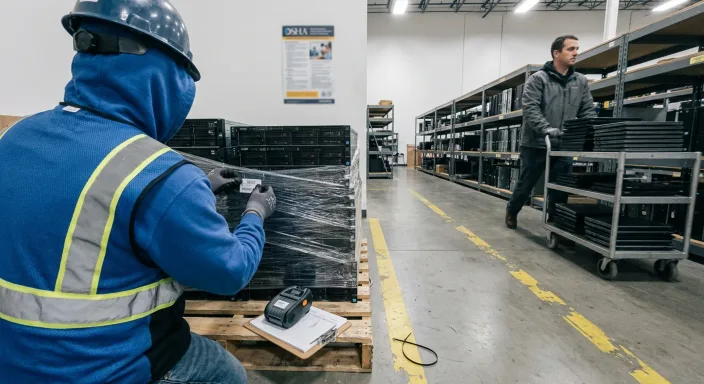
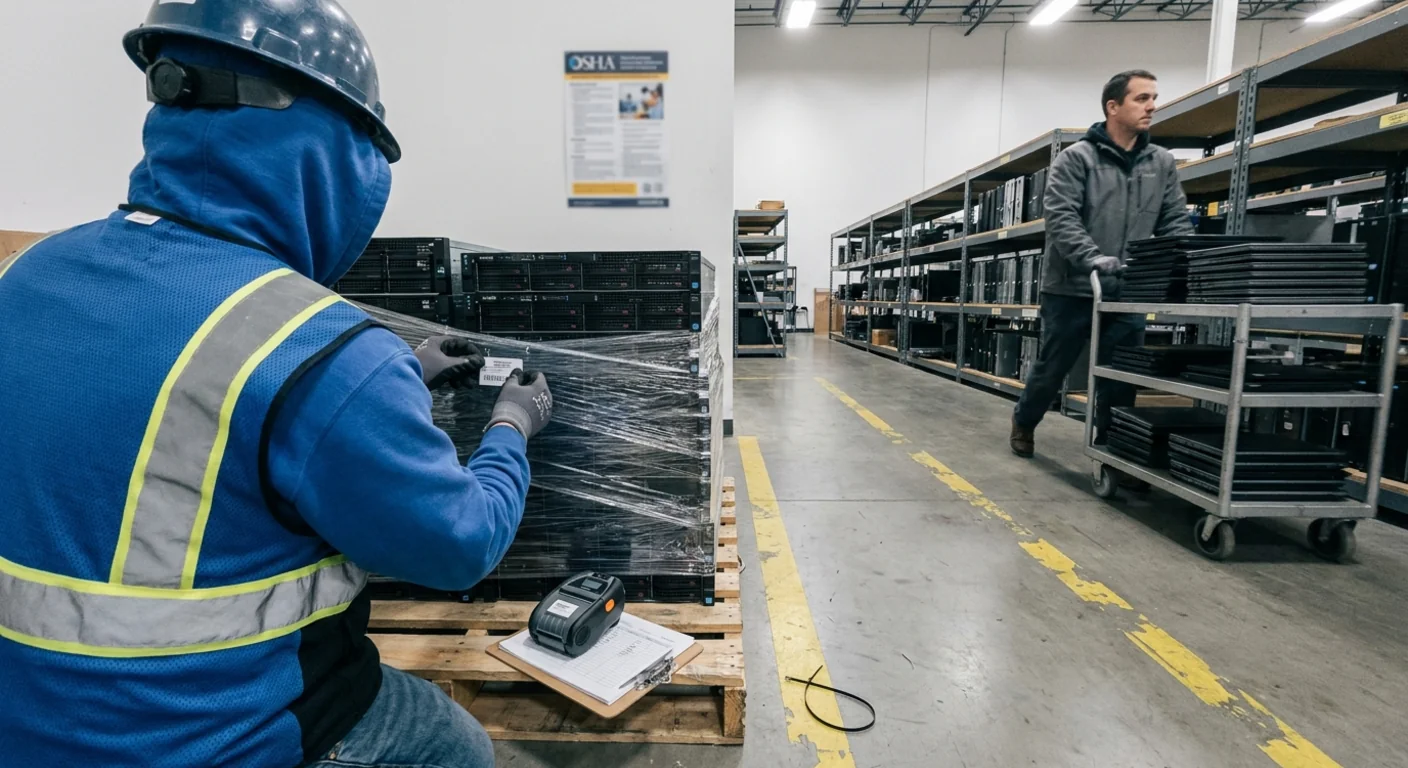
Chain of custody documentation tracks each asset from the moment it leaves active service through final disposition. Proper documentation includes timestamps for equipment removal, names of individuals handling assets at each stage, transportation details, and processing facility information. For organizations subject to regulatory oversight, this paper trail provides evidence that sensitive data was handled according to established protocols.
Chicago Shredder provides detailed reporting for every engagement, including itemized lists of equipment received, processing methods applied, and certificates of destruction for data-bearing devices. The documentation also supports insurance requirements and demonstrates due diligence in the event of data breach investigations.
3. Secure Data Destruction as Part of ITAD
Data destruction represents the most critical component of IT asset disposition for organizations handling confidential information. Simply deleting files or reformatting drives leaves data recoverable through forensic tools. Proper data sanitization requires processes designed to render information unrecoverable while documenting the destruction method applied to each device.
NIST SP 800-88 guidelines outline techniques including overwriting, degaussing, and physical destruction, with recommendations based on data sensitivity and media type. Organizations following these guidelines select destruction methods appropriate to their risk profile and compliance requirements.
Chicago Shredder operates an on-site hard drive crusher at its Addison, Illinois facility, providing immediate physical destruction for situations requiring the highest security levels. The crusher applies over 10,000 pounds of force, rendering platters and circuits completely inoperable. For organizations that prefer data wiping to enable equipment reuse, software-based sanitization follows DoD 5220.22-M standards. Certificates of destruction document the specific method applied to each device, including serial numbers and destruction timestamps.
4. Refurbish Versus Recycle Decision Framework
Organizations face a fundamental choice with each retired asset: refurbish for continued use or recycle for material recovery. This decision impacts both environmental outcomes and potential value recovery. Equipment that retains functionality may be redeployed internally, resold to offset replacement costs, or donated to schools and nonprofits. Assets beyond economical repair proceed to recycling, where materials are recovered for manufacturing new products.
Several factors influence the refurbish-versus-recycle decision. Equipment age and condition determine whether devices can support current software and security patches. Market demand affects resale values, with recent-generation equipment commanding higher prices. Data sensitivity considerations may require physical destruction even when equipment remains functional, particularly for devices containing highly regulated information that cannot be fully sanitized through software methods.
The environmental case for refurbishment is compelling when equipment can serve additional useful life. Extending device lifecycles reduces the energy and raw materials required to manufacture replacements. However, older equipment often consumes more power during operation than newer efficient models, and lack of security updates may create vulnerabilities. Organizations must weigh these factors against their operational requirements.
For assets proceeding to recycling, responsible processing ensures valuable materials return to supply chains while hazardous components receive proper handling. Computers and servers contain recoverable metals including gold, silver, copper, and aluminum. Proper recycling also prevents lead, mercury, and other regulated substances from entering landfills. Industry studies suggest that responsible electronics recycling recovers over 90% of materials by weight for reuse in manufacturing.
5. More to Consider
This standards represents a comprehensive standard addressing facility operations, downstream vendor management, and data destruction protocols.
The standard prohibits certain disposal practices and requires facilities to track materials through final disposition.
For organizations with environmental commitments or reporting requirements, partnering with processors supports sustainability goals and demonstrates environmental stewardship.
Equipment that cannot be refurbished undergoes systematic disassembly, with components sorted by material type for specialized recycling streams. Circuit boards are processed to recover precious metals. Plastics are separated by resin type for remanufacturing. Batteries receive proper handling according to their chemistries. This comprehensive approach maximizes material recovery while minimizing environmental impact.
6. Data Disposal Considerations
Organizations across industries face varying regulatory requirements for data protection and environmental compliance. Healthcare providers must address HIPAA requirements for protected health information. Financial institutions navigate GLBA standards for customer data. Educational institutions consider FERPA protections for student records. Publicly traded companies may face SOX requirements for financial data retention and destruction.
While ITAD providers cannot guarantee regulatory compliance (which remains each organization's responsibility), proper disposition processes are designed to support compliance requirements. Documented chain of custody demonstrates that equipment containing regulated data received appropriate handling. Processing through processing facilities shows due diligence in vendor selection.
Detailed documentation includes serial numbers, destruction methods, processing dates, and facility certifications. Transportation occurs in secured vehicles with GPS tracking. Equipment is stored in access-controlled areas prior to processing. These operational elements align with common regulatory expectations for data protection.
Different regulations may specify particular destruction methods, documentation standards, or vendor qualification criteria. Understanding these requirements helps organizations select appropriate service levels and maintain proper records for audit purposes.
7. Chicago-Area Logistics and Service Advantages
Geographic proximity provides practical advantages for organizations managing IT asset disposition. Local service enables faster response times, easier scheduling coordination, and reduced transportation costs. For Chicago-area organizations, working with local ITAD providers simplifies logistics while supporting the regional economy.
Chicago Shredder serves organizations throughout Chicago and surrounding Illinois communities from its Addison facility. This central location provides convenient access for businesses across the metropolitan area. The company typically responds to inquiries within one business day and can often accommodate rush requests when situations require expedited service. Local operations also mean that equipment transportation occurs over shorter distances, reducing both costs and environmental impact from fuel consumption.
The Addison facility's on-site hard drive crusher enables immediate data destruction for organizations requiring witness destruction or same-day certificates. IT managers can coordinate equipment drop-offs with scheduled on-site destruction, receiving documentation before leaving the facility. This capability is particularly valuable for regulated industries where policies require witnessed destruction or situations involving highly sensitive data.
Pickup services are available for larger quantities of equipment or organizations preferring on-site collection. Scheduled pickups can be coordinated with office moves, technology refresh projects, or regular disposition schedules. The service includes equipment inventorying at pickup, secured transportation, and detailed receiving documentation upon arrival at the processing facility.
8. Frequently Asked Questions
What is the difference between ITAD and electronics recycling?
ITAD encompasses the complete lifecycle of retiring IT equipment, including asset tracking, data destruction, potential refurbishment, and final recycling or disposal. Electronics recycling specifically refers to the material recovery process. ITAD is the broader strategic approach, while recycling is one potential outcome for assets that cannot be refurbished or redeployed.
How should organizations handle hard drives from decommissioned servers?
Server hard drives typically require physical destruction due to the volume and sensitivity of data they contain. Organizations should catalog each drive by serial number, maintain chain of custody during transportation to destruction facilities, and retain certificates documenting destruction methods.
Can ITAD providers pick up equipment from multiple office locations?
Yes, ITAD services can coordinate pickups across multiple sites. Organizations undergoing office consolidations or managing distributed locations can schedule coordinated collections with consolidated reporting. Chicago Shredder serves the Chicago metropolitan area with pickup services designed to accommodate multi-location projects while maintaining consistent chain of custody documentation.
What documentation should organizations retain from ITAD services?
Retention periods vary by industry and regulation, with many organizations keeping ITAD documentation for seven years or longer.
What happens to equipment that still has value after data destruction?
Equipment retaining functionality after data sanitization may be refurbished for resale, with proceeds offsetting disposition costs. Organizations can specify whether they want to pursue value recovery or prefer physical destruction regardless of remaining equipment value. The decision often depends on data sensitivity, equipment age, and organizational policies regarding retired assets.
The Addison facility offers convenient access for Chicago-area organizations, with on-site hard drive destruction, pickup services, and detailed reporting. To discuss your organization's IT asset disposition requirements or schedule a pickup, call 866-770-2650 today.
Ready to schedule a pickup?
Call 866-770-2650 or request a quote online. Every pickup includes clear service documentation.