
IT Asset Disposition (ITAD) involves the secure and responsible management of retired technology equipment from initial inventory through final processing. For Chicago-area organizations, proper ITAD combines data security protocols, environmental responsibility, and potential value recovery through remarketing.
1. Understanding IT Asset Disposition
IT Asset Disposition encompasses the processes and procedures for retiring technology equipment in a manner that protects sensitive data, recovers potential value, and ensures environmentally responsible processing. ITAD goes beyond simple electronics recycling by incorporating asset tracking, data sanitization verification, and strategic decision-making about refurbishment versus recycling.
The ITAD process begins when organizations identify equipment for retirement and continues through secure transportation, detailed inventory, data destruction, value assessment, and final disposition. Each step requires documented procedures to maintain chain of custody and provide verification of proper handling.
For organizations across Chicago and Illinois, effective ITAD addresses multiple business concerns simultaneously.
2. Asset Inventory and Chain of Custody Documentation
Comprehensive ITAD begins with detailed asset inventory that captures make, model, serial numbers, and condition assessment for each piece of equipment.
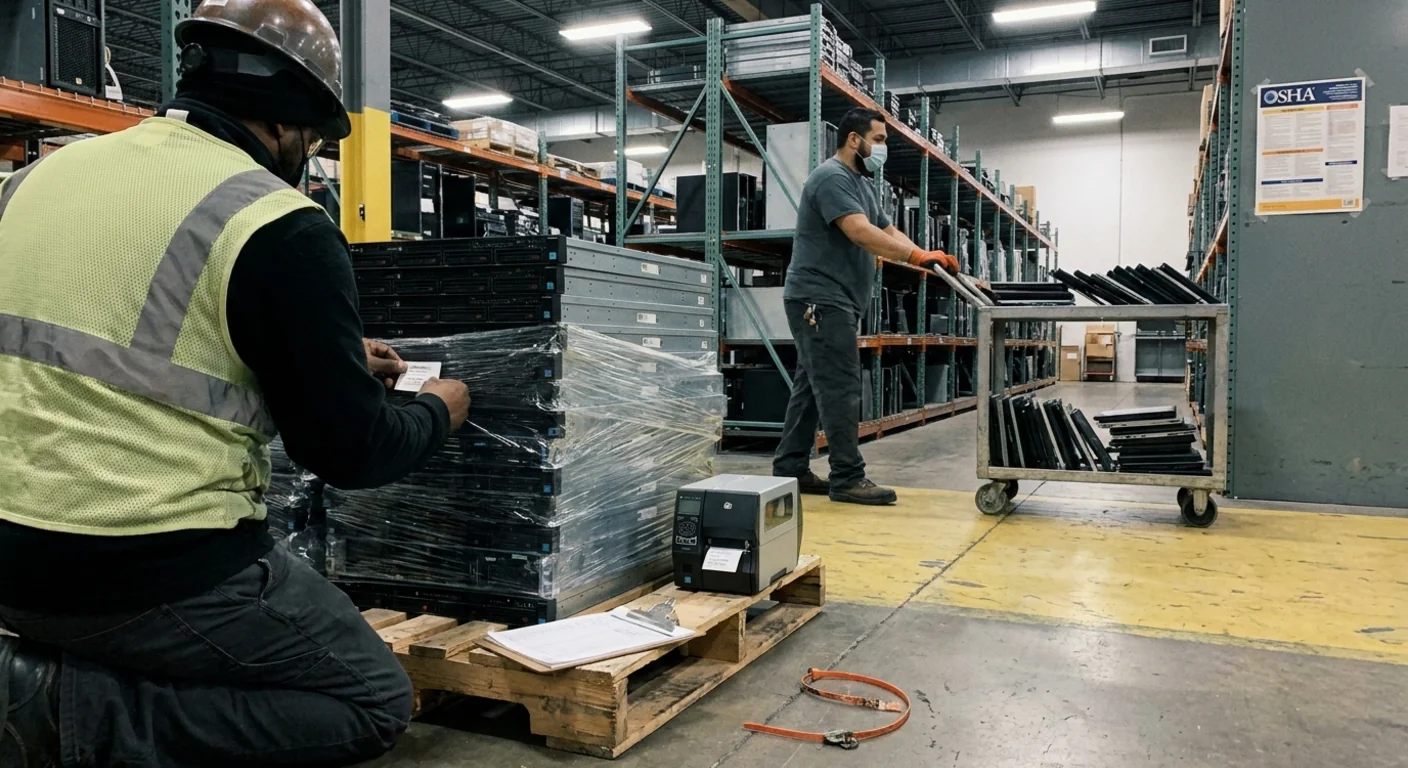
Chicago Shredder's intake process creates detailed manifests that document every item received. This inventory tracking continues through each processing stage, allowing organizations to verify the location and status of their equipment at any point in the disposition timeline.
Chain of custody documentation proves particularly important for organizations managing sensitive data under regulatory frameworks. The documentation trail demonstrates that equipment remained under controlled conditions from pickup through final processing, with no unauthorized access to potentially sensitive components. This verification supports compliance requirements under standards including HIPAA, GLBA, and other data protection regulations.
The inventory process also identifies equipment that may retain remarketing value versus items requiring immediate recycling. This assessment informs strategic decisions about refurbishment potential and helps maximize value recovery from retired assets.
3. Secure Data Destruction Within the ITAD Process
Data destruction represents the most critical security component of IT Asset Disposition. Before any equipment moves to remarketing or recycling streams, all data-bearing devices must undergo sanitization designed to render information unrecoverable through conventional data recovery methods.
Chicago Shredder operates an on-site hard drive crushing system at our Addison, Illinois facility. Physical destruction through crushing provides immediate, verifiable data sanitization for hard drives that will not be remarketed. The crushing process deforms platters and electronic components to a degree designed to make data reconstruction unfeasible through standard recovery techniques.
For equipment destined for remarketing, data sanitization follows software-based overwriting methods aligned with NIST SP 800-88 guidelines. Multiple overwrite passes replace existing data with random patterns, preparing drives for reuse while protecting original information. All data destruction activities generate certificates of destruction that document the sanitization method, date, and specific equipment processed.
The data destruction component of ITAD applies to all storage media, including solid-state drives, magnetic tapes, mobile devices, and embedded storage in network equipment. Comprehensive ITAD accounts for the variety of storage technologies present in modern IT environments.
4. Refurbish Versus Recycle Decision Framework
Strategic ITAD includes assessment processes that determine whether retired equipment holds remarketing potential or should proceed directly to recycling. This decision affects both value recovery and environmental impact, as extending equipment lifecycles through refurbishment reduces demand for new manufacturing.
The refurbish versus recycle assessment considers multiple factors. Equipment age, current market demand, condition, and refurbishment cost relative to potential resale value all influence the decision. Generally, newer equipment in good working condition with current market demand becomes a candidate for remarketing, while obsolete or damaged equipment proceeds to sustainable recycling.
Chicago Shredder evaluates equipment based on testing results, cosmetic condition, and current secondary market conditions. Equipment selected for remarketing undergoes refurbishment that may include component replacement, cleaning, software reinstallation, and quality testing before entering resale channels.
Equipment determined unsuitable for remarketing moves to recycling streams where materials recovery takes precedence. This processing separates valuable commodities including precious metals, copper, aluminum, and various plastics for return to manufacturing supply chains. The decision framework ensures each asset follows the pathway that optimizes both value recovery and environmental responsibility.
5. More to Consider
This documented framework establishes standards for responsible electronics recycling including environmental health and safety practices, data security protocols, and downstream vendor management.
These requirements create accountability throughout the electronics recycling supply chain.
For Chicago-area organizations implementing ITAD programs, working with processors provides verification that retired equipment receives responsible handling. This documented processing supports corporate sustainability initiatives and helps organizations demonstrate environmental responsibility to stakeholders.
6. Data Disposal Considerations
Organizations in healthcare, financial services, education, and government sectors face specific regulatory requirements regarding data protection and equipment disposal.
HIPAA requires healthcare organizations to implement safeguards protecting electronic protected health information throughout its lifecycle, including during disposal.
Financial institutions operating under GLBA face similar requirements for protecting customer information during equipment retirement. Educational institutions managing student records under FERPA and organizations subject to SOX requirements for financial data protection also benefit from documented ITAD procedures that verify proper data sanitization.
Chicago Shredder provides documentation designed to support compliance verification including detailed manifests, certificates of destruction specifying sanitization methods, and processing reports confirming final disposition. While ITAD service providers cannot guarantee regulatory compliance (which remains each organization's responsibility), proper documentation supports the verification processes compliance officers require.
7. Chicago-Area Logistics Advantages for ITAD Services
Geographic proximity to ITAD service providers offers practical advantages for Chicago-area organizations managing equipment retirement. Local processing reduces transportation time, simplifies logistics coordination, and provides accessibility for organizations requiring witnessed destruction or facility tours.
Chicago Shredder's Addison, Illinois location provides convenient access for organizations throughout the Chicago metropolitan area and surrounding Illinois communities. This proximity allows for responsive pickup scheduling and reduces the transit time between equipment retirement and final processing.
Local ITAD services also simplify coordination for organizations with specific security requirements. Companies requiring witnessed hard drive destruction can arrange on-site observation at our Addison facility. Organizations implementing new ITAD programs can tour processing operations to understand procedures before committing retired assets.
The regional presence supports ongoing ITAD relationships rather than one-time disposal events. Organizations implementing regular technology refresh cycles benefit from established procedures with familiar service providers.
8. Frequently Asked Questions
What types of IT equipment does ITAD cover?
IT Asset Disposition services cover the full range of business technology including servers, desktop computers, laptops, networking equipment, storage systems, mobile devices, printers, and peripherals. ITAD also addresses data-bearing devices like hard drives, solid-state drives, backup tapes, and any equipment containing storage media that may retain sensitive information.
How does ITAD differ from standard electronics recycling?
ITAD encompasses the complete asset lifecycle from inventory through final processing, with emphasis on data security, value recovery assessment, and compliance documentation. Standard electronics recycling typically focuses on material recovery without the asset tracking, data sanitization verification, and remarketing evaluation that define comprehensive ITAD services.
What documentation should I expect from an ITAD service provider?
Comprehensive ITAD services provide detailed asset inventories documenting all equipment received, certificates of destruction specifying data sanitization methods for each data-bearing device, chain of custody tracking, and final disposition reports confirming whether equipment was remarketed or recycled.
Can we receive value back from retired IT equipment?
Equipment with remarketing potential may generate value recovery depending on age, condition, and current secondary market demand. Chicago Shredder evaluates equipment to identify items suitable for refurbishment and resale. Organizations may receive payment for qualifying equipment or apply the value toward service costs for items requiring recycling.
How quickly can Chicago Shredder pick up retired equipment?
We typically respond to pickup requests within one business day to schedule collection at your convenience. Actual pickup timing depends on equipment volume, location, and current scheduling, but we work to accommodate urgent requests and can often arrange same-week service for standard volumes.
What happens to equipment that cannot be remarketed?
Equipment unsuitable for refurbishment and resale proceeds to secure, transparent recycling where materials are separated and processed for commodity recovery. No materials are knowingly disposed of in landfills.
Comprehensive IT Asset Disposition addresses the multiple challenges organizations face when retiring technology equipment. Our Addison location offers convenient access and responsive service for businesses managing technology refresh cycles. Contact Chicago Shredder at 866-770-2650 to discuss your IT asset disposition requirements or schedule a pickup for retired equipment.
Ready to schedule a pickup?
Call 866-770-2650 or request a quote online. Every pickup includes clear service documentation.