
Chicago Shredder provides complete IT asset disposition solutions, combining on-site data destruction capabilities with downstream processing to meet the needs of businesses, healthcare facilities, financial institutions, and government agencies throughout Illinois.
1. Understanding IT Asset Disposition
IT asset disposition refers to the complete lifecycle management of technology equipment after it reaches end-of-use status within an organization. This process extends beyond simple disposal or recycling, encompassing secure data sanitization, asset tracking, potential refurbishment for redeployment, and environmentally sound recycling of components that cannot be reused.
A comprehensive ITAD program addresses multiple organizational priorities simultaneously. Data security teams require verification that sensitive information stored on hard drives, solid-state drives, and mobile devices is rendered unrecoverable. Finance departments need accurate documentation for asset depreciation and disposal records. Compliance officers require evidence that electronic waste is managed according to environmental regulations and industry-specific data protection standards.
The stakes for proper ITAD have increased significantly as technology proliferation continues across all sectors. A single mid-sized organization may retire hundreds of devices annually, each potentially containing confidential client information, employee records, financial data, or proprietary business intelligence. Without structured disposition processes, these assets create both security vulnerabilities and compliance risks.
Chicago Shredder's ITAD services are designed to address these challenges through systematic processes, documented chain of custody protocols, and downstream processing.
2. Asset Inventory and Chain of Custody Documentation
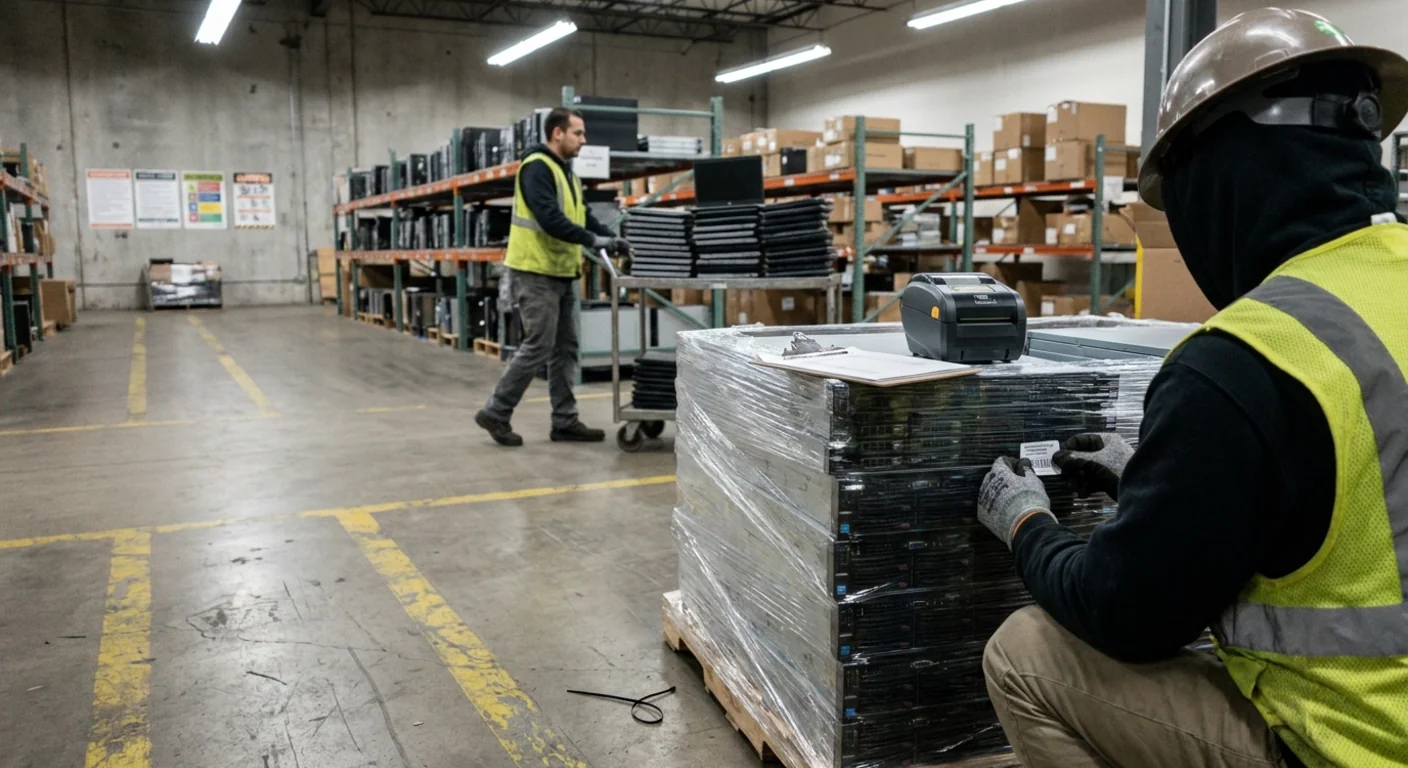
Effective IT asset disposition begins with comprehensive inventory management. When equipment is collected from client facilities, each item receives individual documentation including manufacturer, model, serial number, and asset tag information when available. This detailed tracking creates an auditable record from pickup through final disposition.
Chain of custody documentation serves multiple critical functions. For organizations subject to regulatory oversight, these records demonstrate proper handling of equipment that may have contained protected information. Financial teams use disposition certificates for accounting purposes, confirming that assets have been removed from service and processed appropriately. In the event of audits or compliance reviews, complete chain of custody records provide verifiable evidence of responsible asset management.
The inventory process also enables organizations to gain visibility into their technology refresh cycles. Detailed records reveal patterns in equipment lifecycles, helping IT teams plan more effective replacement schedules and budget more accurately for future technology investments. Some organizations discover that certain device categories are being retired prematurely, while others remain in service well beyond optimal performance windows.
Chicago Shredder provides clients with comprehensive documentation packages that include itemized inventory lists, certificates of destruction for data-bearing devices, and certificates of recycling for processed equipment. This documentation is typically delivered within one business day following service completion, enabling prompt reconciliation with internal asset management systems.
3. Secure Data Destruction as Part of ITAD
Data security represents the highest priority concern for most organizations engaging ITAD services. Storage devices contain the accumulated digital footprint of business operations, including customer databases, financial records, strategic planning documents, employee information, and communications. Simply deleting files or reformatting drives leaves data potentially recoverable through readily available forensic tools.
Chicago Shredder operates an on-site hard drive crusher at our Addison, Illinois facility, providing physical destruction services that render drives inoperable and data unrecoverable. Physical destruction methods create the highest level of assurance for organizations handling particularly sensitive information or operating in heavily regulated industries. The crushing process deforms platters and destroys read/write heads, making data recovery efforts impractical.
For devices that may be candidates for refurbishment and redeployment, data sanitization follows documented standards rather than physical destruction. These processes overwrite existing data multiple times according to established protocols, designed to make recovery efforts unsuccessful. Organizations can specify their preferred sanitization approach based on data classification levels and internal security policies.
All data destruction services include detailed documentation specifying the method applied to each device. Certificates of destruction include serial numbers, destruction method, date, and facility location. This documentation is designed to support compliance requirements under frameworks including HIPAA for healthcare organizations, GLBA for financial institutions, and FERPA for educational entities. Chicago-area organizations benefit from local data destruction capabilities combined with comprehensive documentation suitable for audit purposes.
4. The Refurbish Versus Recycle Decision Process
Not all retired IT equipment has reached true end-of-life status. Many devices are replaced due to technology refresh cycles, lease expirations, or organizational upgrades rather than equipment failure. These functional devices may have significant remaining useful life, creating opportunities for refurbishment and redeployment rather than immediate recycling.
The decision between refurbishment and recycling depends on several factors. Device age, condition, and current market value all influence whether redeployment makes economic sense. Equipment that is three to four years old and fully functional often represents the best refurbishment candidates. Devices with physical damage, obsolete specifications, or components that are no longer supported typically proceed directly to recycling.
Organizations approach this decision differently based on their priorities. Some clients prefer that all equipment be recycled regardless of condition, particularly when dealing with devices that contained highly sensitive data. Others seek to maximize value recovery through resale of functional equipment, with proceeds either returned to the client or credited against service costs. Still others donate refurbished equipment to schools, nonprofits, or community organizations as part of corporate social responsibility initiatives.
Chicago Shredder works with clients to establish clear disposition protocols based on their preferences. Equipment designated for refurbishment undergoes thorough data sanitization before any testing or resale activities. Devices proceeding to recycling are processed to recover valuable materials including precious metals, copper, aluminum, and various plastics.
5. More to Consider
Responsible IT asset disposition requires verified downstream processing to ensure materials are handled according to environmental and safety standards.
Downstream processors must document where materials go after leaving the processing facility, creating transparency throughout the recycling chain. For organizations concerned about environmental responsibility, this verified processing represents a critical component of comprehensive ITAD services.
These requirements align with the security priorities of organizations disposing of IT equipment, creating a cohesive approach that addresses both environmental and data protection concerns within a single framework.
6. Data Disposal Considerations
Organizations across multiple industries face specific regulatory requirements governing the disposition of IT equipment. Healthcare providers must address HIPAA requirements for protected health information. Financial institutions operate under GLBA regulations concerning customer financial data. Educational institutions must comply with FERPA protections for student records. Publicly traded companies face SOX requirements for records retention and destruction.
Chicago Shredder's ITAD services are designed to support compliance requirements across these various regulatory frameworks. Comprehensive documentation packages provide the evidence necessary to demonstrate proper handling during audits or compliance reviews. Chain of custody records establish who handled equipment, when transfers occurred, and where processing took place. Certificates of destruction verify that data-bearing devices were sanitized or destroyed according to recognized standards.
The compliance landscape continues to evolve as new data protection regulations emerge at state and federal levels. Illinois organizations must navigate both federal requirements and state-specific regulations concerning data privacy and electronic waste. Maintaining current knowledge of these requirements and adapting processes accordingly represents an ongoing challenge for internal IT and compliance teams.
By partnering with experienced ITAD providers, organizations can offload much of this complexity to specialists who maintain current expertise in regulatory requirements and industry best practices. This allows internal teams to focus on core business functions while ensuring that equipment disposition activities meet applicable compliance standards.
7. Chicago-Area Logistics Advantages
Geographic proximity provides significant practical advantages for IT asset disposition services. Chicago Shredder's Addison, Illinois location positions us to serve the entire Chicago metropolitan area efficiently, with straightforward access to major business corridors throughout Cook County and surrounding regions.
Local service delivery enables flexible scheduling that accommodates organizational timelines. Equipment pickups can be coordinated around business operations to minimize disruption. For organizations with multiple locations throughout the Chicago area, we can structure collection schedules that address all sites within compressed timeframes, reducing the administrative burden of managing extended disposition projects.
The ability to provide on-site services for certain data destruction needs offers additional security benefits. Organizations with particularly sensitive data concerns may prefer that hard drives never leave their premises before destruction occurs. Mobile crushing equipment can be deployed to client locations when volumes justify this approach, providing maximum security assurance while still offering the convenience of professional service delivery.
Chicago's position as a major logistics hub also benefits the downstream processing of collected materials. The region's transportation infrastructure enables efficient movement of processed commodities to end markets, supporting the economic viability of comprehensive recycling programs. This connectivity helps ensure that materials recovery remains economically sustainable while maintaining the environmental and security standards organizations expect from their ITAD partners. Organizations throughout Illinois benefit from these geographic advantages when selecting local ITAD providers.
8. Frequently Asked Questions
What types of IT equipment can be included in asset disposition services?
ITAD services accommodate virtually all categories of business technology equipment including desktop computers, laptops, servers, networking equipment, storage arrays, mobile devices, printers, copiers, and peripherals. Specialized equipment such as medical devices with embedded computing components or industrial control systems can also be processed. Chicago Shredder works with clients to address their complete technology inventory regardless of equipment age, condition, or manufacturer.
How long does the documentation process take after equipment pickup?
Documentation packages including itemized inventory lists, certificates of destruction, and certificates of recycling are typically provided within one business day following service completion. This timeline allows organizations to promptly update asset management systems and reconcile internal records. Rush documentation can be arranged when audit deadlines or other time-sensitive requirements necessitate immediate delivery.
Can ITAD services be scheduled outside normal business hours?
Yes, equipment collection can be coordinated to occur during evenings, weekends, or other times that minimize disruption to normal business operations. Many organizations prefer after-hours service to avoid impacting employee productivity or requiring IT staff availability during peak business periods. Flexible scheduling accommodates the operational needs of clients across industries.
What happens to equipment that still has functional value?
Functional equipment can be processed according to client preferences, which may include refurbishment for internal redeployment to other departments, resale through secondary markets with value returned to the client, or donation to educational or nonprofit organizations. All options include complete data sanitization before any redeployment occurs. Clients specify their preferred approach based on organizational policies and priorities.
Are ITAD services available throughout the Chicago metropolitan area?
Yes, Chicago Shredder serves organizations throughout the Chicago metropolitan area including Cook County and surrounding regions. Our Addison, Illinois facility provides convenient access to major business corridors across the region. Service is available to organizations of all sizes, from small professional offices to large corporate campuses, healthcare systems, educational institutions, and government agencies throughout Illinois.
Organizations throughout the Chicago area face increasing pressure to demonstrate proper handling of retired technology equipment while recovering maximum value from assets and minimizing environmental impact. Chicago Shredder provides integrated ITAD solutions that combine local service delivery with downstream processing, comprehensive documentation, and flexible service models designed to accommodate diverse organizational needs. Contact Chicago Shredder at 866-770-2650 to discuss your IT asset disposition requirements or schedule a pickup for your retired technology equipment.
Ready to schedule a pickup?
Call 866-770-2650 or request a quote online. Every pickup includes clear service documentation.