
For Chicago-area organizations managing equipment refreshes, facility closures, or technology upgrades, professional ITAD services combine logistics, data security, and environmental responsibility.
1. Understanding IT Asset Disposition
IT asset disposition encompasses the entire lifecycle management of retiring technology equipment, from initial assessment through final processing. The term extends beyond simple recycling to include asset tracking, data sanitization, value recovery through resale or refurbishment, and environmentally responsible disposal of materials that cannot be reused.
Effective ITAD programs address multiple organizational concerns simultaneously. Data security teams need assurance that information stored on drives and devices will be rendered unrecoverable. Finance departments require documentation of asset values and disposition methods for audit purposes. Compliance officers must verify adherence to regulations governing data privacy and environmental handling. Procurement teams benefit from value recovery that offsets replacement costs.
The complexity of modern IT environments makes professional ITAD services increasingly necessary. Organizations typically maintain diverse equipment inventories including servers, workstations, laptops, networking gear, mobile devices, and specialized equipment.
2. Asset Inventory and Chain of Custody Documentation
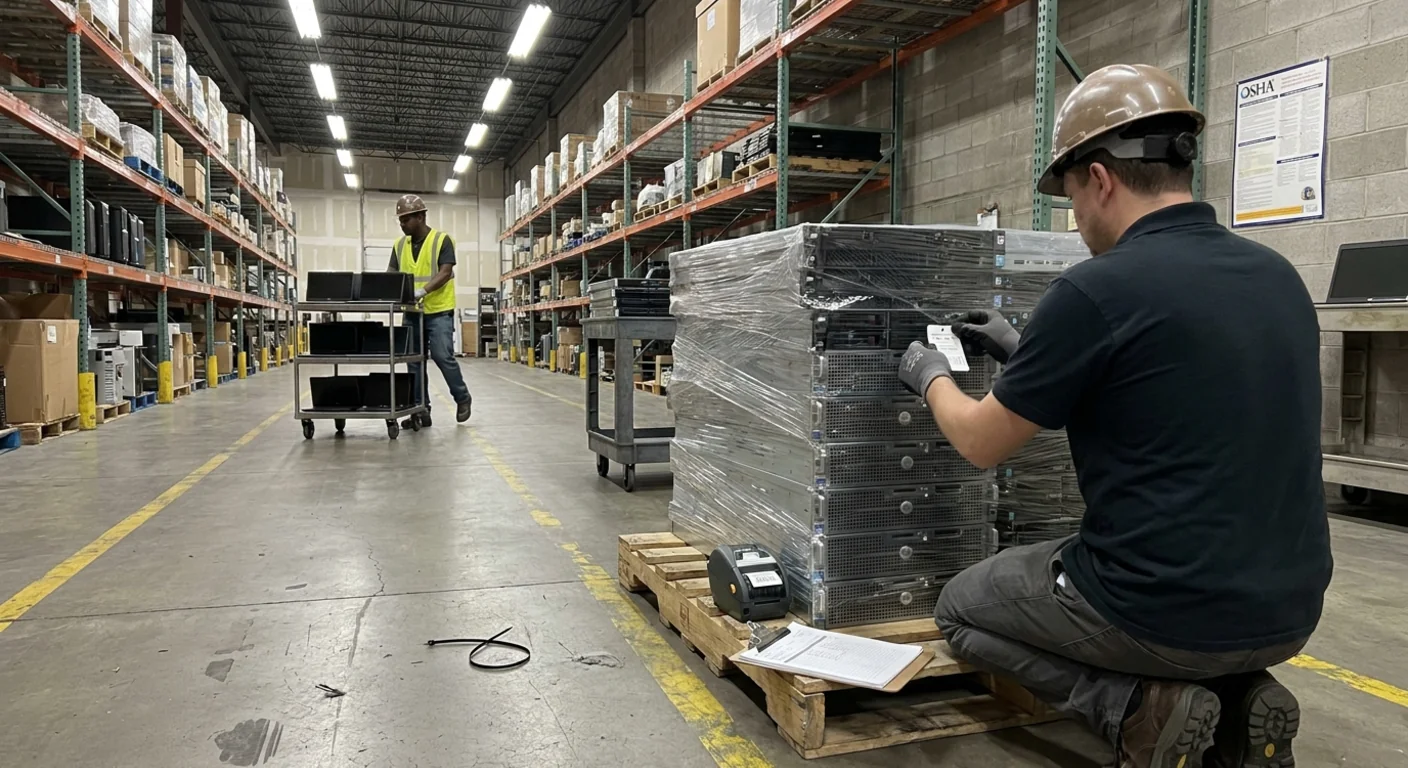
Professional ITAD services begin with detailed asset inventory and tracking. When equipment arrives at a processing facility or during on-site service delivery, each item receives documentation including manufacturer, model, serial number, asset tag information, and physical condition assessment. This initial cataloging establishes the foundation for chain of custody records.
Chain of custody documentation tracks each asset through every processing stage. Records indicate when items were received, who handled them, what processes were applied, and ultimate disposition. For organizations subject to audit requirements or regulatory oversight, this documentation provides verification that equipment was managed according to specified protocols.
Chicago Shredder maintains detailed tracking for all equipment processed through our facilities. Clients receive reports documenting asset quantities, descriptions, and disposition methods. For organizations in regulated industries including healthcare, finance, and education, comprehensive tracking helps demonstrate adherence to data security requirements.
3. Secure Data Destruction in ITAD Programs
Data destruction represents the most critical component of IT asset disposition for most organizations. Storage media including hard drives, solid-state drives, and mobile devices retain information even after standard deletion or formatting. Professional data destruction ensures this information becomes unrecoverable before equipment leaves organizational control.
Chicago Shredder operates an on-site hard drive crusher at our Addison, Illinois facility, providing physical destruction for drives containing sensitive information. Physical destruction methods render data unrecoverable by destroying the storage media itself. This approach provides the highest level of security assurance and is particularly appropriate for equipment containing regulated data types.
For equipment where drives will be reused, data sanitization follows standards including NIST SP 800-88 guidelines and DoD 5220.22-M standard. These methods use software-based overwriting to make original data unrecoverable while preserving hardware functionality. The choice between destruction and sanitization depends on security requirements, equipment value, and organizational policies.
4. Refurbishment Versus Recycling Decision Framework
A central element of effective ITAD involves determining which equipment should be refurbished for resale and which should be recycled for materials recovery. This decision impacts both value recovery and environmental outcomes. Equipment that retains functional and market value generates revenue that offsets disposition costs, while recycling recovers raw materials from items no longer suitable for reuse.
The evaluation considers multiple factors. Age and condition determine whether equipment can be economically refurbished. Market demand affects whether refurbished items will find buyers. Technology specifications indicate if equipment meets current performance expectations. Cosmetic condition influences resale value. Organizations may also have policies requiring destruction of branded or custom-configured equipment.
Chicago Shredder evaluates equipment to identify value recovery opportunities while respecting client requirements. Items suitable for remarketing undergo appropriate refurbishment after data destruction. Equipment that cannot be remarketed moves to recycling processes where materials including metals, plastics, and circuit board components are separated for recovery. This evaluation-based approach maximizes value recovery while ensuring all materials are processed responsibly.
5. More to Consider
This standards establishes comprehensive requirements for electronics recycling operations, covering data security, environmental management, worker safety, and downstream materials tracking.
This secure process requires tracking materials through downstream vendors and verification that all parties in the recycling chain meet specified standards.
6. Data Disposal Considerations
Organizations in healthcare, financial services, education, and government sectors face specific requirements governing IT equipment disposition. HIPAA regulations require healthcare entities to ensure protected health information is rendered unrecoverable. GLBA mandates financial institutions implement safeguards for customer information. FERPA establishes requirements for educational institutions handling student records. SOX requirements affect how publicly traded companies manage information retention and destruction.
Certificates of destruction specify quantities and types of media destroyed, destruction methods used, and processing dates. Asset reports document equipment disposition. Chain of custody records track handling throughout the process. This documentation supports audit requirements and helps organizations demonstrate appropriate information protection practices.
7. Chicago-Area Logistics Advantages
Geographic proximity provides practical benefits for IT asset disposition services. Local service delivery reduces transportation costs, simplifies scheduling, and enables faster response times. For organizations managing large-scale equipment refreshes or facility closures, efficient logistics become particularly important.
Chicago Shredder serves the greater Chicago region from our Addison, Illinois facility, providing convenient access for organizations throughout the metropolitan area and surrounding communities. Local operations enable flexible pickup scheduling and responsive service delivery. Organizations typically receive responses to service inquiries within one business day.
The Chicago region's concentration of businesses, healthcare facilities, educational institutions, and government entities creates ongoing ITAD requirements. Local service delivery from an established provider offers consistency and relationship-based service. For organizations with multiple facilities or regular equipment disposition needs, working with a regional provider simplifies vendor management and ensures consistent service standards across locations. Contact Chicago Shredder at 866-770-2650 to discuss IT asset disposition requirements for your organization.
8. Frequently Asked Questions
What types of equipment are included in IT asset disposition services?
ITAD services typically process computers, servers, laptops, networking equipment, mobile devices, printers, monitors, and related peripherals. Specialized equipment including medical devices, point-of-sale systems, and industrial controls may also be included depending on provider capabilities.
How long does the ITAD process take from pickup to final documentation?
Timeline varies based on equipment quantities and processing requirements. Simple pickups with physical destruction may be completed within days, while complex projects involving inventory, data sanitization, and remarketing evaluation may require several weeks. Chicago Shredder provides timeline estimates based on specific project requirements.
Can we receive value recovery for equipment being retired?
Equipment with remaining functional and market value may generate revenue through remarketing. The actual recovery depends on age, condition, specifications, and current market demand. ITAD providers evaluate equipment to identify items suitable for resale and provide documentation of any value recovered.
What documentation will we receive after ITAD services are completed?
Standard documentation includes certificates of destruction for data-bearing media, asset inventory reports listing all equipment processed, and documentation of disposition methods. Chain of custody records and additional compliance documentation may be available based on organizational requirements.
Do you provide on-site ITAD services or only facility-based processing?
Chicago Shredder offers both approaches depending on project requirements. On-site hard drive destruction is available for organizations requiring witnessed destruction. Equipment pickup and processing at our Addison facility provides comprehensive ITAD services including evaluation, refurbishment, and recycling. Service approach is determined based on security requirements, equipment quantities, and organizational preferences.
Professional IT asset disposition addresses the complex intersection of data security, value recovery, compliance requirements, and environmental responsibility. For Chicago-area organizations managing technology equipment at end-of-life, comprehensive ITAD services provide documented processes, secure data destruction, and responsible materials management. Contact Chicago Shredder at 866-770-2650 or schedule a pickup to discuss how professional ITAD services support your organization's security and sustainability objectives.
Ready to schedule a pickup?
Call 866-770-2650 or request a quote online. Every pickup includes clear service documentation.