

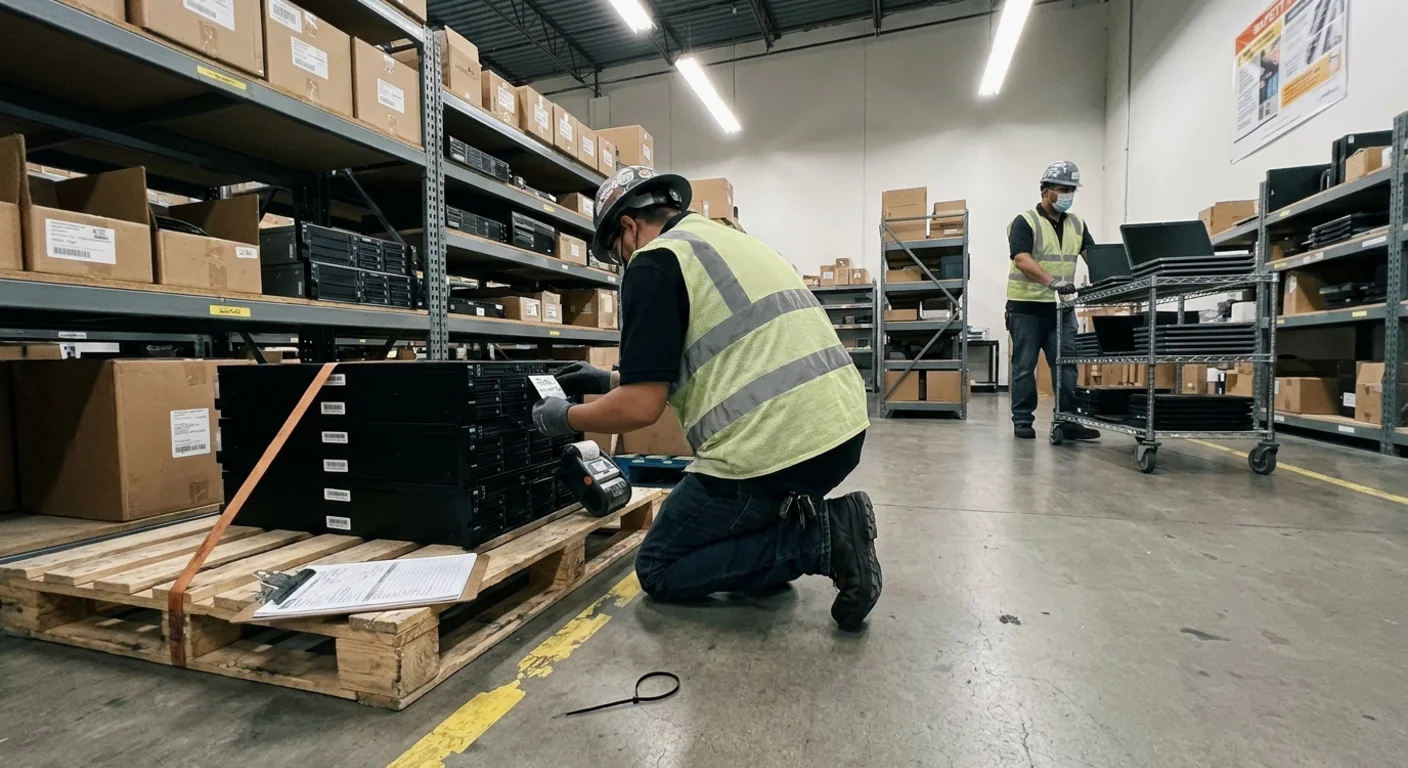
IT asset disposition (ITAD) is the process of safely and responsibly retiring technology equipment while protecting sensitive data and maximizing value recovery. For Chicago-area businesses, selecting the right ITAD partner means ensuring secure data destruction, environmental compliance, and efficient logistics. This approach addresses the complete lifecycle of retiring IT assets, from initial inventory through final disposition.
1. What IT Asset Disposition Encompasses
ITAD refers to the business processes and services that manage the retirement and disposal of outdated or surplus technology equipment. This encompasses far more than simply discarding old computers. A complete ITAD program addresses asset tracking, data security, value recovery, and environmental responsibility throughout the disposition process.
The scope typically includes desktop computers, laptops, servers, networking equipment, mobile devices, and peripheral hardware. Each asset category requires specific handling protocols based on data sensitivity, potential resale value, and material composition. Organizations may be retiring equipment due to technology refresh cycles, mergers and acquisitions, office relocations, or end-of-lease returns.
These competing priorities require expertise in data security protocols, secondary markets for refurbished equipment, and secure recycling processes. The complexity increases for organizations managing multiple locations or large-scale technology refreshes.
Chicago Shredder structures ITAD services to address each of these requirements through standardized processes designed to support compliance obligations while maximizing convenience for Illinois businesses.
2. Asset Inventory and Chain of Custody Documentation
Proper ITAD begins with detailed asset tracking from the moment equipment leaves your facility. This inventory process creates the documentation foundation for auditing, compliance reporting, and internal asset management. Each item receives identification linking it to your organization's records and tracking it through every stage of the disposition process.
Chain of custody documentation provides a verifiable record showing who handled each asset, when transfers occurred, and what processes were applied. This documentation becomes critical for organizations subject to regulatory requirements or internal audit standards. The records demonstrate that sensitive equipment was handled according to established security protocols from collection through final disposition.
Chicago Shredder provides detailed inventory reports documenting each asset by manufacturer, model, serial number, and asset tag. This granular tracking supports internal reconciliation with your IT asset management systems. For organizations managing compliance requirements under frameworks like HIPAA, GLBA, or SOX, this documentation is designed to support your audit and reporting obligations.
The documentation process extends beyond initial collection. Certificates of destruction or recycling provide verification of final disposition, creating a complete audit trail. These records Choose a recycler that documents chain of custody and provides a Certificate of Recycling.
3. Secure Data Destruction in ITAD Programs
Data security represents the most critical component of IT asset disposition. Retiring equipment without proper data destruction creates substantial risk exposure, as residual data on storage media can be recovered using readily available tools. Organizations must ensure that data destruction methods render information unrecoverable before equipment leaves their control.
Chicago Shredder operates an on-site hard drive crusher at our Addison, Illinois facility, providing physical destruction that renders drives inoperable and data inaccessible. Physical destruction offers advantages over software-based erasure methods by ensuring that no data recovery is possible, regardless of the original data structure or encryption status. The crushing process deforms platters and destroys read-write heads, creating damage designed to be unrecoverable.
For organizations with heightened security requirements, witnessed destruction services allow your personnel to observe the destruction process. This verification provides additional assurance that your specific drives were destroyed according to protocol. Following destruction, you receive certificates documenting the serial numbers of destroyed drives and confirming the destruction method applied.
Data destruction protocols align with recognized standards including DoD 5220.22-M and guidelines in NIST SP 800-88. These frameworks establish methodologies for rendering data unrecoverable based on media type and sensitivity classification. Chicago Shredder's processes are designed to support compliance requirements across various regulatory frameworks governing data protection.
4. Refurbishment Versus Recycling Decision Framework
Not all retired IT assets require immediate recycling. Equipment in functional condition may retain significant residual value through refurbishment and resale in secondary markets. The decision between refurbishment and recycling depends on factors including equipment age, condition, market demand, and organizational priorities.
Functional equipment from recent technology generations often commands value in secondary markets serving small businesses, educational institutions, or international buyers. Refurbishment extends the useful life of these assets while providing some cost recovery to offset new equipment purchases. However, refurbishment is only appropriate after all data has been securely destroyed and the equipment has been thoroughly tested.
Equipment unsuitable for refurbishment proceeds to material recovery through secure recycling processes. This includes non-functional items, obsolete technology with no secondary market demand, or equipment damaged beyond economical repair. Recycling recovers valuable materials including precious metals, copper, aluminum, and various plastics, returning these resources to manufacturing supply chains.
Chicago Shredder evaluates equipment condition and provides recommendations regarding refurbishment potential versus recycling. This assessment considers current market conditions and your organizational preferences. Some organizations prefer that all equipment proceeds directly to recycling to eliminate any possibility of data recovery, while others seek maximum value recovery. The decision framework remains flexible to accommodate your specific requirements and risk tolerance.
5. More to Consider
Environmental responsibility in ITAD requires that electronics are processed through processing facilities meeting recognized standards for sustainable recycling. Version 3 of the standard, released in 2020, strengthened requirements in several areas including data security and focus materials management.
This secure process provides assurance that materials are handled according to established environmental and safety protocols.
Secure processing addresses the entire material stream from incoming equipment through final commodity output. This includes proper handling of items containing mercury, lead, cadmium, and other substances requiring special management.
This supplier review status becomes particularly relevant for organizations with formal environmental management systems, sustainability reporting requirements, or vendor qualification standards requiring secure recycling partners.
6. Data Disposal Considerations
Organizations in healthcare, financial services, education, and government face specific regulatory requirements governing IT asset disposal. These frameworks establish obligations for protecting sensitive information and documenting disposition processes.
HIPAA regulations require healthcare organizations to ensure that protected health information is rendered unrecoverable when disposing of electronic media. GLBA establishes similar requirements for financial institutions handling customer financial data. Educational institutions managing student records face FERPA requirements, while publicly traded companies must consider SOX obligations regarding record retention and data security.
Chicago Shredder's ITAD processes are designed to support compliance requirements across these various frameworks. This includes documented data destruction methods, chain of custody tracking, and certificates providing evidence of proper disposition.
The compliance landscape continues to evolve as new privacy regulations emerge at state and federal levels. Illinois businesses face obligations under the Illinois Personal Information Protection Act and must monitor developments in privacy legislation.
7. Chicago-Area Logistics Advantages
Location matters in ITAD service delivery. Proximity affects response times, pickup scheduling flexibility, transportation costs, and your ability to coordinate disposition with technology refresh projects. Chicago Shredder's Addison, Illinois facility provides convenient access for organizations throughout the Chicago metropolitan area and across northern Illinois.
Local service delivery eliminates the extended transit times associated with shipping equipment to distant facilities. This proximity supports tighter coordination with your IT projects, whether you're managing a single-location office move or a multi-site technology refresh. Shorter transportation distances also reduce the environmental impact of the disposition process and lower the security risks associated with extended equipment transit.
Our location in the western suburbs provides convenient access from downtown Chicago, the northern and southern suburbs, and communities throughout the collar counties. We typically respond to service requests within one business day, supporting the tight timelines common in corporate IT projects. Pickup can be coordinated with your schedule, minimizing disruption to ongoing operations.
For organizations managing multiple Chicago-area locations, consolidated ITAD service delivery simplifies vendor management and ensures consistent processes across sites. Standardized documentation, uniform data destruction protocols, and centralized reporting reduce the administrative complexity of managing disposition across a distributed facility footprint.
8. Frequently Asked Questions
What is the difference between ITAD and electronics recycling?
ITAD encompasses the complete process of retiring IT assets, including inventory tracking, data destruction, value recovery decisions, and environmental disposition. Electronics recycling specifically refers to the material recovery and processing steps. ITAD represents the broader business process, while recycling is one possible outcome for assets that cannot be refurbished.
How long does the ITAD process typically take?
Timeline depends on project scope and your specific requirements. Simple pickups for standard office equipment can often be scheduled within days. Larger projects involving detailed inventory, witnessed destruction, or coordination across multiple locations require additional planning time. Chicago Shredder works with your timeline to accommodate IT refresh schedules and facility moves.
Can we receive payment for equipment with residual value?
Equipment in functional condition from recent technology generations may retain value in secondary markets. Chicago Shredder evaluates equipment and provides assessments regarding potential value recovery. The amount depends on factors including equipment type, age, condition, and current market demand for specific models.
Do you handle ITAD for organizations outside the Chicago area?
While Chicago Shredder primarily serves the Chicago metropolitan area and northern Illinois, we can discuss service options for organizations with locations in our region. Our Addison facility provides convenient access throughout the collar counties and surrounding communities.
What happens to data on devices other than hard drives?
Mobile devices, tablets, networking equipment, and other items with embedded storage receive appropriate data destruction based on device type. The approach depends on the specific device and your security requirements.
Effective IT asset disposition requires balancing data security, environmental responsibility, compliance obligations, and operational efficiency. Chicago-area organizations benefit from working with local ITAD providers who understand regional business requirements and can deliver responsive service. Our Addison location provides convenient access for businesses throughout northern Illinois, supporting efficient coordination with technology refresh projects and facility transitions. Contact Chicago Shredder at 866-770-2650 to discuss your IT asset disposition requirements or schedule a pickup for retiring equipment.
Ready to schedule a pickup?
Call 866-770-2650 or request a quote online. Every pickup includes clear service documentation.