
IT asset disposition (ITAD) is the process of securely retiring end-of-life technology equipment while maximizing value recovery and ensuring data security. For Chicago-area businesses, proper ITAD practices protect sensitive information, support compliance requirements, and reduce environmental impact. Chicago Shredder offers comprehensive ITAD services designed to help organizations safely transition aging technology from active use to secure destruction or sustainable recycling. This guide explains what ITAD involves, how the process works, and why working with a local partner makes a difference.
1. What IT Asset Disposition Really Means
IT asset disposition encompasses the entire lifecycle of retiring technology equipment, from initial planning to final processing. The process includes asset inventory, data sanitization, equipment evaluation, value recovery through resale or parts harvesting, and environmentally sound recycling of materials that cannot be reused.
Unlike simple equipment disposal, ITAD is a structured approach that prioritizes data security and environmental stewardship. Every device contains potentially sensitive information, from employee records to customer data, financial information, and proprietary business intelligence. Proper ITAD ensures this data is destroyed using methods designed to be unrecoverable.
For organizations in healthcare, finance, education, and other regulated industries, ITAD services are designed to support compliance requirements under frameworks like HIPAA, GLBA, SOX, and FERPA. The process creates documentation trails that demonstrate due diligence in protecting sensitive information throughout the retirement process.
2. Asset Inventory and Chain of Custody Documentation
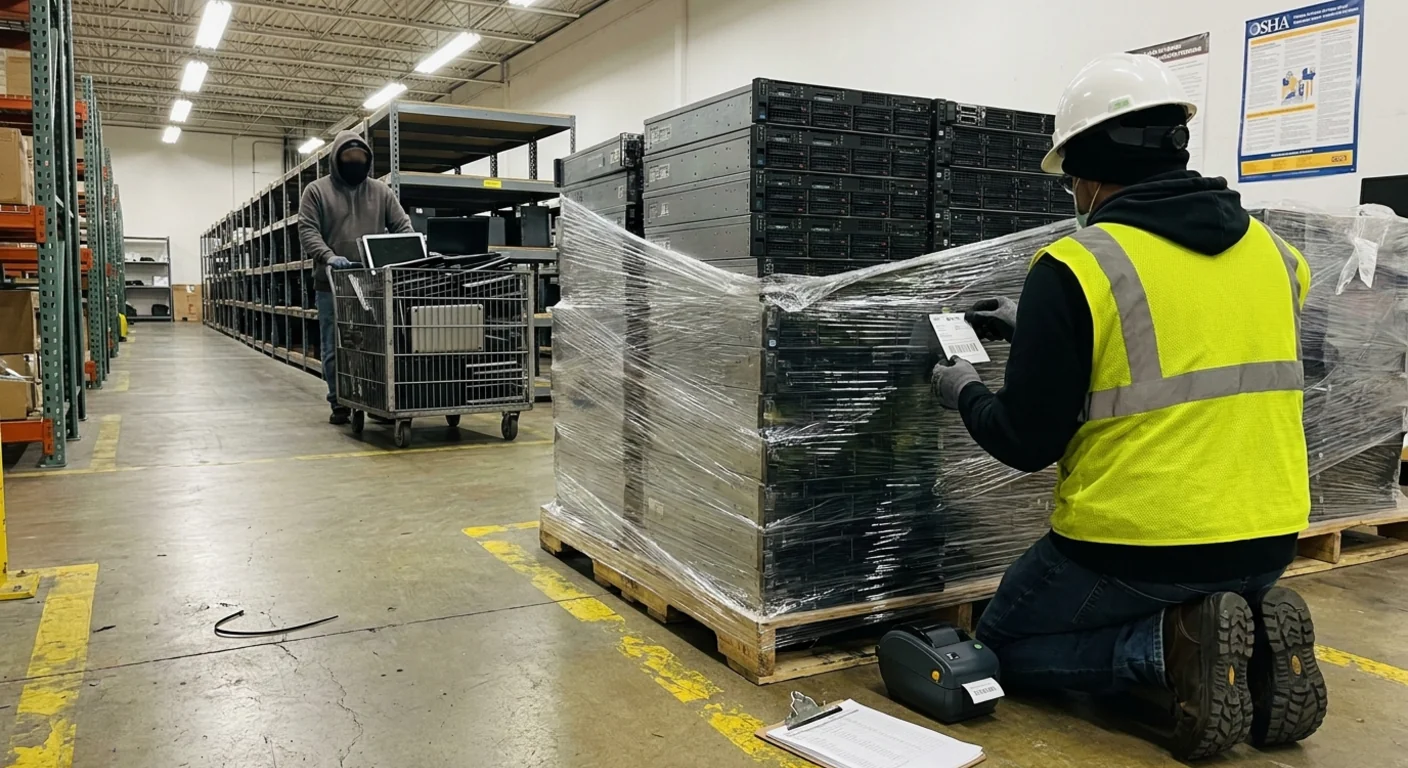
Effective ITAD begins with a detailed inventory of all equipment being retired. Chicago Shredder documents each asset by serial number, model, and condition, creating a complete record before any processing begins. This inventory becomes the foundation for tracking assets through every subsequent step.
Chain of custody documentation provides an unbroken record showing who handled each asset, when transfers occurred, and what processes were applied. For businesses managing audits or compliance reviews, this documentation demonstrates proper stewardship of company assets and data security protocols.
The inventory process also identifies equipment that may retain residual value. Servers, networking equipment, and other devices in working condition can potentially be refurbished for resale, generating recovery value that offsets disposal costs. Items beyond economical repair move to secure recycling channels.
3. Secure Data Destruction as Part of ITAD
Data destruction is typically the most critical component of IT asset disposition. Chicago Shredder's Addison, Illinois facility houses an on-site hard drive crusher capable of physically destroying storage media to ensure data designed to be unrecoverable. This mechanical destruction method complements software-based sanitization techniques.
For devices requiring software-based data removal, methods following NIST SP 800-88 guidelines use overwrite algorithms that render data unrecoverable through standard forensic techniques. The specific approach depends on the device type, storage technology, and organizational security requirements.
Certificates of destruction provide documented proof that data sanitization occurred according to specified standards. These certificates include asset serial numbers, destruction methods applied, and the date of processing. Organizations can retain these records as evidence of proper data handling practices during compliance audits or legal proceedings.
4. The Refurbish vs Recycle Decision Process
Not all retired IT equipment should follow the same path. The decision between refurbishing for resale and recycling for materials recovery depends on several factors including age, condition, market demand, and organizational policies. Equipment less than five years old in working condition often retains sufficient value to justify refurbishment.
Refurbishment extends equipment lifespan while providing cost recovery for the retiring organization. Devices are tested, repaired if necessary, and prepared for secondary markets. This approach reduces demand for new manufacturing while generating revenue that can offset replacement costs.
Equipment that is damaged, obsolete, or beyond economical repair moves to recycling channels. This secure process demonstrates adherence to environmental and worker safety standards throughout the recycling process. Materials are separated and sent to appropriate downstream processors, ensuring no materials are knowingly disposed of in landfills.
5. Secure Processing and Environmental Compliance
ensures all collected materials receive processing that meets these standards.
Environmental compliance extends beyond avoiding landfill disposal. Proper ITAD identifies and segregates hazardous materials like batteries, mercury-containing components, and certain circuit boards that require specialized handling. These materials follow regulatory pathways designed to prevent environmental contamination.
Transparency in downstream processing is a key component of responsible ITAD. This secure process requires documentation showing where materials ultimately go after initial processing. This traceability helps organizations demonstrate environmental stewardship and supports corporate sustainability reporting initiatives.
6. Data Disposal Considerations
Organizations in regulated industries face specific requirements around data protection and equipment disposal. Healthcare providers managing protected health information under HIPAA, financial institutions following GLBA requirements, and educational institutions bound by FERPA all benefit from ITAD services designed to support these compliance frameworks.
Proper ITAD creates the documentation trail auditors expect to see. Asset inventories show what equipment was retired, chain of custody records demonstrate controlled handling, and certificates of destruction prove data sanitization occurred. These documents become evidence that the organization took reasonable steps to protect sensitive information.
Compliance is not solely about regulations. Many organizations also maintain internal policies governing data security and environmental practices. ITAD services provide structured processes that align with corporate governance requirements, making it easier to demonstrate adherence to board-level commitments around data protection and sustainability.
7. The Chicago-Area Logistics Advantage
Working with a local ITAD provider offers practical advantages for Chicago and suburban Illinois businesses. Chicago Shredder's Addison location provides convenient access for organizations throughout the metropolitan area, reducing transportation costs and simplifying logistics coordination.
Local service means faster response times when equipment needs urgent removal. Organizations closing offices, upgrading infrastructure, or managing lease expirations can typically schedule pickups within one business day of contact. This responsiveness helps businesses meet tight timelines without storing retired equipment longer than necessary.
On-site services are available for organizations with large volumes of equipment or specific security requirements. Chicago Shredder can deploy mobile destruction equipment for witnessed hard drive destruction, providing immediate verification that data has been destroyed before devices leave the premises. This approach addresses concerns about data security during transportation and provides peace of mind for organizations managing highly sensitive information.
8. Frequently Asked Questions
What types of IT equipment can Chicago Shredder handle through ITAD services?
Chicago Shredder processes all categories of IT equipment including desktop computers, laptops, servers, networking equipment, storage devices, mobile devices, printers, and peripherals. Specialized equipment like point-of-sale systems and medical devices are also accepted. The service covers complete technology refreshes as well as individual device retirements.
How does the chain of custody documentation work?
Chain of custody creates a paper trail tracking each asset from pickup through final disposition. Documentation includes initial inventory at your location, transportation records, receiving confirmation at the processing facility, and final disposition certificates. Each transfer point is recorded with dates, personnel involved, and asset identifiers to maintain an unbroken record.
Can we witness the destruction of our hard drives?
Yes, Chicago Shredder offers witnessed destruction services at the Addison, Illinois facility. Organizations can send representatives to observe hard drives being physically crushed using the on-site destruction equipment. This provides immediate verification that data destruction occurred and allows you to see the process firsthand before destroyed drives proceed to recycling.
What happens to equipment that still has resale value?
Equipment suitable for refurbishment is tested, repaired if necessary, and prepared for secondary markets. Data is completely removed following NIST SP 800-88 guidelines before any resale occurs. Organizations can receive compensation for equipment with residual value, which helps offset the cost of technology replacement. All financial arrangements are discussed before processing begins.
Which regulatory requirements may apply to this topic?
ITAD services are designed to support compliance requirements under HIPAA, GLBA, SOX, FERPA, and similar frameworks. These elements create the documentation trail auditors expect during compliance reviews.
What geographic area does Chicago Shredder serve for ITAD pickups?
Chicago Shredder serves the greater Chicago metropolitan area and surrounding Illinois communities. The Addison facility location provides convenient access throughout the region. Pickup scheduling accommodates both large-scale equipment removals and smaller ongoing retirement needs. Contact the team at 866-770-2650 to confirm service availability for your specific location.
IT asset disposition is more than equipment disposal. For Chicago-area organizations managing technology transitions, working with a local partner simplifies logistics while maintaining the security and documentation standards your business requires. To discuss your IT asset disposition needs or schedule a pickup, call Chicago Shredder at 866-770-2650 or visit the website to request service.
Ready to schedule a pickup?
Call 866-770-2650 or request a quote online. Every pickup includes clear service documentation.