
Educational institutions across Illinois manage thousands of IT assets, from classroom computers to administrative servers. When these devices reach end of life, proper IT asset disposition becomes critical for protecting student data, supporting environmental goals, and maximizing residual value. Illinois schools and universities face unique challenges in ITAD, including strict privacy requirements under FERPA, limited IT budgets, and the need to demonstrate responsible stewardship of public resources.
1. Understanding IT Asset Disposition in Educational Settings
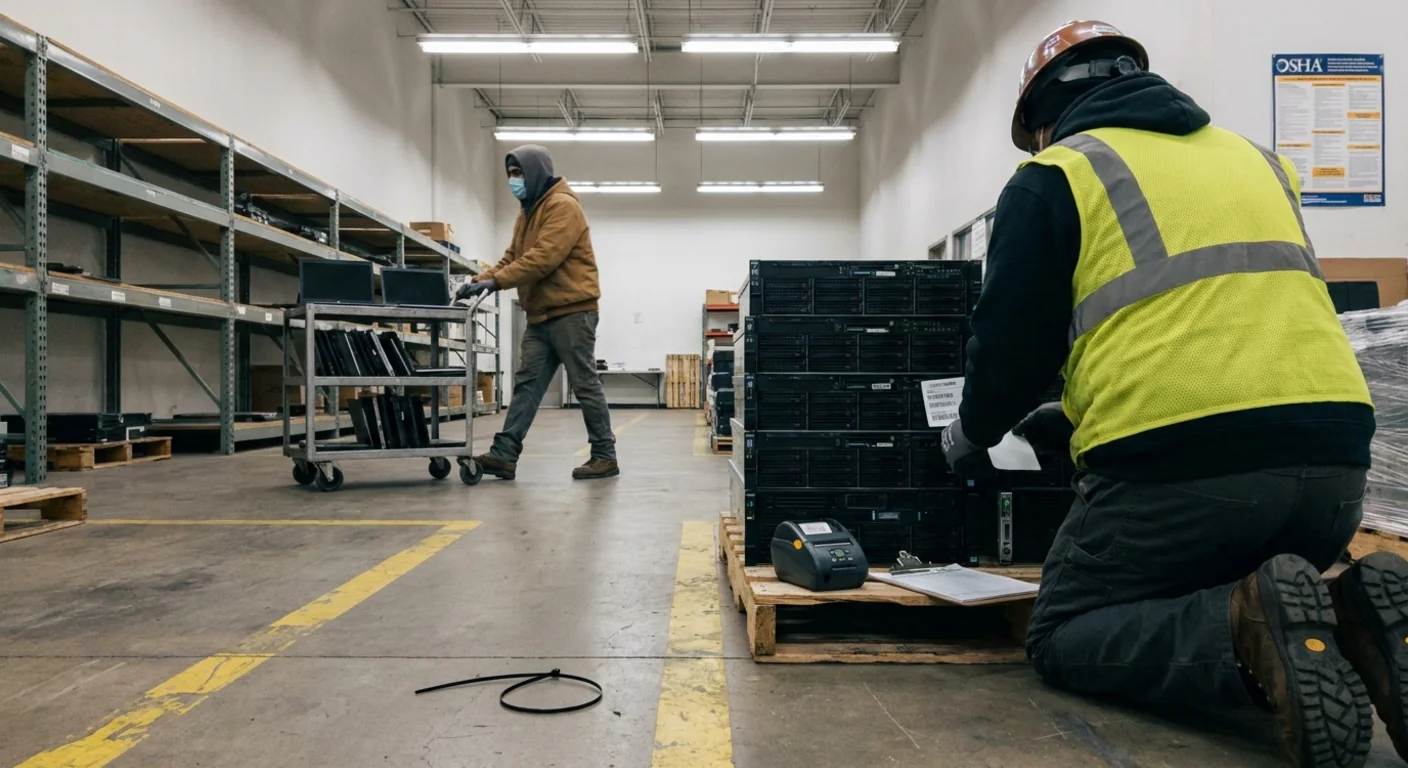
IT asset disposition, commonly known as ITAD, encompasses the entire lifecycle of retiring IT equipment. The process includes inventory management, data sanitization, equipment evaluation, remarketing or recycling, and documentation. For educational institutions, ITAD extends beyond simply discarding old computers. The process must account for sensitive student records, financial data, research information, and employee files stored across diverse device types.
Illinois educational institutions manage IT assets ranging from desktop computers and laptops to tablets, servers, networking equipment, and specialized laboratory devices. Each asset type requires different handling procedures. Desktop computers may contain student academic records, while administrative servers often store financial information and personnel files. Mobile devices issued to students or staff may contain personal information that requires secure erasure before disposition.
The stakes for proper ITAD grow higher each year as educational institutions accumulate more data and face increasing scrutiny over privacy practices. A single mishandled device can expose thousands of student records, triggering notification requirements, potential fines, and reputational damage. Effective ITAD practices protect institutions from these risks while supporting sustainability initiatives that resonate with students, parents, and community stakeholders.
2. Asset Inventory and Chain of Custody Documentation
Successful ITAD begins with comprehensive asset tracking. Educational institutions should maintain detailed inventories that record each device's make, model, serial number, assigned location, and data sensitivity classification. This inventory serves as the foundation for disposition decisions and provides accountability throughout the ITAD process. Many Illinois schools discover during ITAD projects that their asset records contain gaps, with devices unaccounted for or locations outdated.
Chain of custody documentation creates an auditable record from the moment a device is identified for disposition until final processing. This documentation should capture who handled the asset at each stage, when transfers occurred, and what actions were performed. For educational institutions, chain of custody records demonstrate due diligence in protecting student information and provide evidence of compliance with institutional policies and regulatory requirements.
Chicago Shredder provides detailed chain of custody documentation for all ITAD services. Each device receives a unique identifier, and transfers are logged with date stamps and authorized signatures. The records also help IT departments track disposition timelines and identify process improvements for future ITAD projects.
3. Secure Data Destruction as Core ITAD Component
Data destruction represents the most critical element of IT asset disposition for educational institutions. Illinois schools and universities must ensure that student records, employee information, and institutional data are rendered unrecoverable before devices leave their control.
Educational institutions typically employ tiered data destruction approaches. High-security devices containing sensitive student records or research data may require physical destruction. Standard computers and devices can undergo software-based sanitization using methods aligned with NIST SP 800-88 guidelines. The key is matching the destruction method to the data sensitivity and device type. Solid-state drives present different challenges than traditional hard disk drives, requiring specialized erasure techniques or physical destruction.
Chicago Shredder maintains an on-site hard drive crusher at our Addison, Illinois facility, providing immediate physical destruction for drives requiring the highest security. This local capability means sensitive drives from Illinois educational institutions never leave the Chicago area before destruction. For devices suitable for software sanitization, methods aligned with DoD 5220.22-M standards render data designed to be unrecoverable. All data destruction services include certificates of destruction documenting the specific assets processed, methods used, and completion dates.
4. Refurbish Versus Recycle Decision Framework
Not all retired IT assets follow the same disposition path. Educational institutions can recover value from functional equipment through remarketing while directing truly end-of-life devices to sustainable recycling. The decision framework should consider device age, condition, market demand, data sensitivity, and processing costs. A three-year-old laptop in working condition may generate revenue through resale, while a ten-year-old desktop with obsolete components becomes a recycling candidate.
Refurbishment makes financial sense when the potential resale value exceeds the costs of data sanitization, testing, and remarketing. Educational institutions should work with ITAD providers who offer transparent value-sharing arrangements and provide detailed reporting on remarketed assets. Illinois schools operating on tight budgets can redirect recovered funds toward new technology purchases, creating a sustainable equipment refresh cycle.
Devices unsuitable for resale proceed to recycling, where materials are recovered and reintroduced into manufacturing supply chains. This secure process ensures downstream processors meet rigorous environmental and social responsibility standards. Educational institutions partnering with processors demonstrate environmental stewardship and ensure that no materials are knowingly disposed of in landfills.
5. Data Disposal Considerations
Illinois educational institutions operate under multiple regulatory frameworks affecting IT asset disposition. FERPA establishes requirements for protecting student education records, while state data breach notification laws impose obligations when personal information is compromised. Educational institutions receiving federal funding may face additional requirements, and those handling payment card information must consider PCI DSS standards.
Vendor selection plays a crucial role in compliance support. While certifications don't guarantee compliance, they provide important signals about provider capabilities and commitment to best practices.
We understand the unique pressures facing Illinois schools and universities and structure services to meet both security and budgetary requirements.
6. Chicago Area Logistics Advantages for Illinois Schools
Location matters in ITAD, particularly for educational institutions managing large volumes of equipment or handling highly sensitive data. Working with Chicago-area providers offers Illinois schools and universities several advantages. Proximity reduces transportation time and costs, minimizes the window when devices are in transit, and enables on-site services when appropriate. Local providers also understand Illinois-specific requirements and can respond quickly when institutions need rapid disposition services.
Chicago Shredder operates from Addison, Illinois, strategically positioned to serve educational institutions throughout the Chicago metropolitan area and across Illinois. Our local presence means we typically respond to service requests within one business day and can coordinate pickup schedules around academic calendars. Summer break represents a common ITAD window for schools, and our Chicago-area operations allow us to support the concentrated activity during these periods without extended wait times.
Transportation logistics become particularly important when managing data security. Every mile devices travel before data destruction increases exposure risk. Our Addison facility houses secure storage areas and on-site hard drive destruction capabilities, allowing sensitive drives to be crushed immediately upon receipt. Illinois educational institutions gain peace of mind knowing their retired IT assets remain within the Chicago area throughout the disposition process. This geographic proximity also simplifies vendor audits, as IT administrators can visit our facility to observe operations and verify security practices.
7. Implementing Ongoing ITAD Programs
One-time ITAD projects serve immediate needs, but educational institutions benefit from establishing ongoing programs that integrate disposition planning into IT lifecycle management. Proactive ITAD programs begin when new equipment is purchased, with disposition considerations built into technology planning. This approach prevents the accumulation of obsolete equipment in storage closets and creates predictable processes that IT staff can manage efficiently.
Effective ongoing programs establish clear triggers for device retirement, typically based on age, performance, or repair costs. When devices meet retirement criteria, they enter a defined ITAD workflow with assigned responsibilities, timelines, and documentation requirements. Educational institutions should designate ITAD coordinators who manage vendor relationships, track assets through disposition, and maintain compliance records. Regular training ensures staff understand data security requirements and proper handling procedures.
Chicago Shredder supports ongoing ITAD programs through flexible service arrangements tailored to educational institution needs. We can schedule regular pickups aligned with academic calendars, provide secure collection containers for accumulating retired devices, and assign dedicated account representatives who understand each institution's specific requirements. Our goal is to make ITAD a seamless component of IT operations rather than a periodic crisis requiring emergency response.
8. Frequently Asked Questions
How long should educational institutions retain ITAD documentation?
Educational institutions should retain ITAD documentation, including certificates of destruction and chain of custody records, for at least seven years. This retention period aligns with common audit requirements and provides sufficient history to respond to inquiries about disposed equipment. Some institutions adopt longer retention periods for devices that contained highly sensitive research data or when specific regulatory requirements apply.
Can educational institutions donate retired computers to students or community organizations?
Educational institutions can donate functional equipment after completing thorough data sanitization. However, donation programs require careful management to ensure all institutional data is completely removed and to avoid creating implied warranties about device condition. Many Illinois schools find that working with ITAD providers who offer secure data destruction and equipment refurbishment creates a more secure donation pathway than direct transfers.
What should educational institutions do with broken devices that won't power on?
Non-functional devices still require secure disposition because hard drives and other storage media may retain recoverable data even when the device won't boot. These devices should be physically destroyed or have storage media removed for separate destruction.
How do summer technology refresh cycles affect ITAD planning?
Many Illinois educational institutions conduct technology refreshes during summer break when buildings are less occupied and instructional disruption is minimized. This creates concentrated ITAD demand during June, July, and August. Schools should engage ITAD providers early in the spring to reserve capacity and establish pickup schedules. Early planning prevents delays and ensures retired equipment is processed before the new school year begins.
Should educational institutions erase data themselves before ITAD pickup?
While some institutions perform initial data erasure using internal IT staff, professional ITAD providers should verify and document complete data destruction. Internal erasure attempts may be incomplete, particularly on newer solid-state drives or when dealing with diverse device types. Working with ITAD providers who perform secure data destruction and provide detailed documentation creates stronger compliance support and reduces risk.
What happens to equipment that still has value after data destruction?
Functional equipment undergoes testing and cosmetic evaluation after data destruction. Devices meeting quality standards can be remarketed through wholesale channels, with proceeds returned to educational institutions based on agreed value-sharing arrangements. Illinois schools should request transparent reporting showing which devices were remarketed, sale prices achieved, and the institution's share of recovered value. This reporting supports budget planning and demonstrates responsible stewardship of public resources.
Illinois educational institutions face complex challenges in IT asset disposition, balancing data security requirements, environmental responsibility, budget constraints, and compliance obligations. Effective ITAD practices protect student privacy, support institutional sustainability goals, and may recover value from retired equipment. Chicago Shredder serves Illinois educational institutions with locally based ITAD services designed to meet the unique needs of schools and universities. To discuss ITAD services for your Illinois educational institution, call 866-770-2650 or schedule a pickup through our website.
Ready to schedule a pickup?
Call 866-770-2650 or request a quote online. Every pickup includes clear service documentation.