
For organizations across Illinois and the greater Chicago area, proper ITAD practices are essential to protect sensitive data, meet regulatory requirements, and minimize environmental impact. This guide explores compliance best practices, from asset tracking and data destruction to downstream processing. Understanding these guidelines helps businesses make informed decisions about retiring IT equipment while supporting their compliance obligations.
1. What IT Asset Disposition Means for Your Organization
IT asset disposition encompasses the entire lifecycle of retiring technology assets, from initial decommissioning through final processing. This includes computers, servers, network equipment, mobile devices, and storage media. The process involves several critical stages: secure transportation, detailed inventory documentation, data sanitization, equipment evaluation for reuse or recycling, and responsible downstream processing.
For businesses in Chicago and surrounding communities, ITAD represents both a compliance necessity and an opportunity to recover value from retired equipment. Organizations with robust ITAD programs can reduce risk, support sustainability goals, and potentially offset disposal costs through equipment resale or component recovery. The key is partnering with a provider that understands both the technical requirements and the regulatory landscape.
Proper ITAD goes beyond simply discarding old computers. It requires documented processes, trained personnel, and facilities equipped to handle sensitive materials. Companies subject to data protection regulations, including healthcare providers, financial institutions, and educational organizations, face particular scrutiny around how they retire IT assets. An effective ITAD program addresses these concerns systematically.
2. Asset Inventory and Chain of Custody Documentation
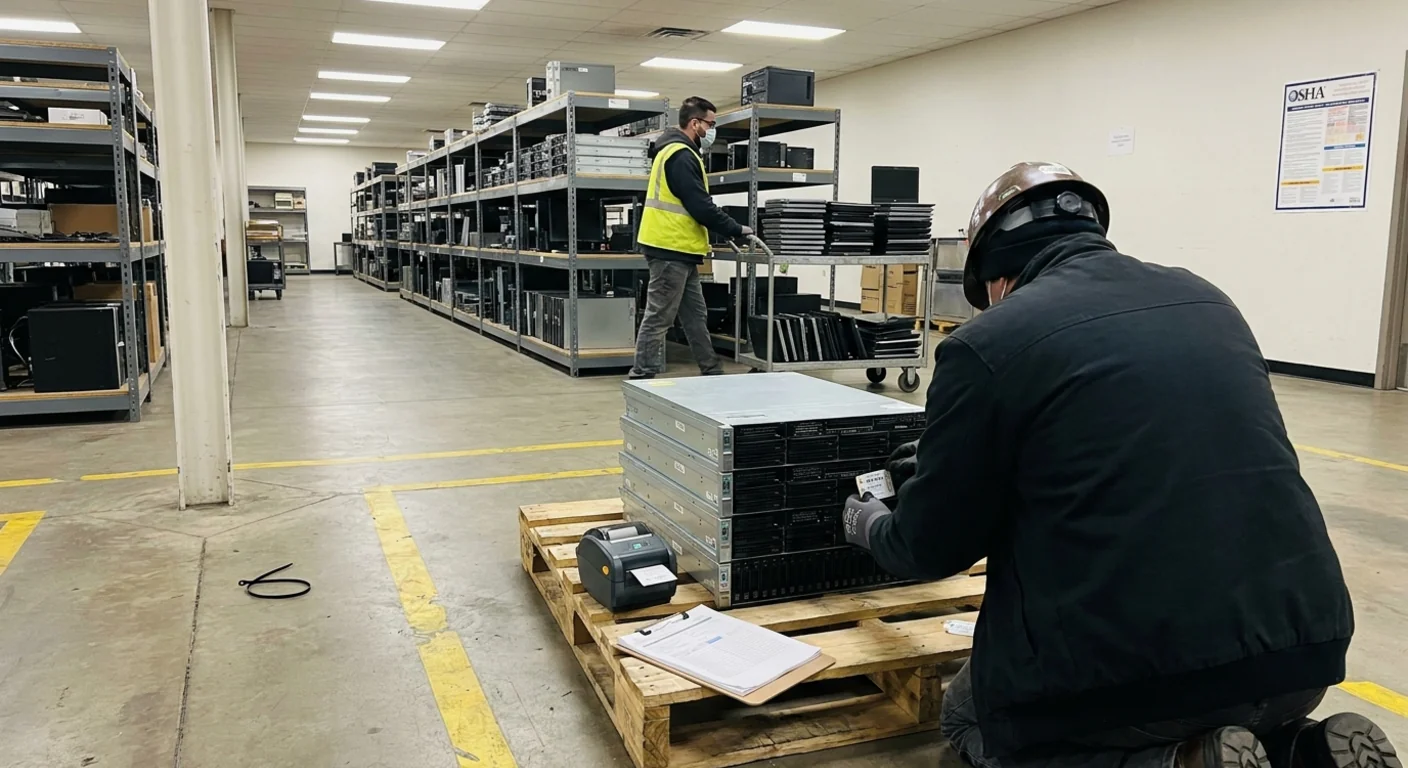
Comprehensive asset tracking begins the moment equipment is identified for retirement. Organizations should maintain detailed inventories that include make, model, serial number, asset tag, and any identifying information about the hardware.
Chain of custody refers to the documented trail showing who handled each asset at every stage of the ITAD process. From the moment equipment leaves your facility until it reaches final disposition, every transfer should be recorded with dates, times, and responsible parties. This documentation is designed to support compliance requirements under regulations like HIPAA, GLBA, and SOX, which require organizations to demonstrate proper handling of systems that may contain regulated data.
Chicago Shredder provides detailed manifest documentation for every pickup, creating a paper trail that connects your retired assets to their final disposition. This level of documentation gives compliance officers and auditors the evidence they need to verify proper handling.
3. Secure Data Destruction as a Core ITAD Component
Data destruction represents the most critical compliance element in any ITAD program. Simply deleting files or reformatting drives does not render data unrecoverable. Industry studies suggest that a significant percentage of resold or improperly disposed drives still contain retrievable sensitive information. Organizations must ensure data is destroyed using methods designed to make recovery infeasible.
For hard drives and solid-state storage devices, physical destruction provides the highest assurance. Chicago Shredder operates an on-site hard drive crusher at our Addison, IL facility, reducing drives to mangled fragments. This physical destruction method aligns with NIST SP 800-88 guidelines for media sanitization and is designed to make data recovery infeasible using standard forensic techniques.
For equipment destined for reuse or resale, software-based wiping using methods that follow the DoD 5220.22-M standard provides an alternative to physical destruction. These multi-pass overwrite processes are appropriate for devices without physical damage where the storage media remains functional. The choice between physical destruction and software wiping depends on the sensitivity of the data, the device condition, and your organization's risk tolerance.
4. Evaluating Equipment for Refurbishment Versus Recycling
Not all retired IT assets follow the same path. A strategic ITAD program includes evaluation criteria to determine which equipment should be refurbished for resale, which components can be harvested for reuse, and which materials should proceed directly to recycling. This decision tree affects both the value recovery potential and the environmental impact of your disposition process.
Equipment suitable for refurbishment typically includes relatively recent models in working condition with viable market demand. After secure data destruction, these devices can be tested, cleaned, and resold, extending their useful life and reducing electronic waste. However, organizations must weigh the market value against the time and cost of refurbishment, as well as any reputational concerns about company-branded equipment entering secondary markets.
Older equipment, devices with physical damage, or technology with minimal resale value typically proceeds to component harvesting and materials recycling. Modern electronics contain valuable materials including precious metals, copper, and recyclable plastics. This ensures that no materials are knowingly disposed of in landfills, supporting both environmental goals and corporate sustainability commitments.
5. Documentation and Responsible Downstream Processing
Some processors ship materials to facilities with questionable environmental and labor practices, sometimes in developing countries. This secure process requires documented due diligence on all downstream vendors, ensuring materials are handled responsibly throughout the recycling chain.
6. Data Disposal Considerations
Multiple federal and state regulations impose requirements on how organizations handle IT asset disposition. HIPAA requires healthcare organizations to ensure that electronic protected health information is rendered unrecoverable before disposing of devices. The Gramm-Leach-Bliley Act (GLBA) imposes similar requirements on financial institutions. The Sarbanes-Oxley Act (SOX) requires companies to maintain records and establish controls over information systems. The Family Educational Rights and Privacy Act (FERPA) governs educational institutions' handling of student records.
While ITAD providers cannot guarantee compliance, working with qualified partners is designed to support your compliance requirements. Organizations remain responsible for their compliance obligations, but partnering with a qualified ITAD provider helps establish the controls and documentation necessary to demonstrate due diligence.
Illinois businesses also navigate state-level electronics recycling requirements. The Electronic Products Recycling and Reuse Act prohibits disposal of certain electronics in landfills and requires manufacturers to provide recycling programs. Working with recycling providers helps organizations meet these state mandates while also addressing federal regulatory requirements. A comprehensive ITAD program considers this full regulatory landscape.
7. Chicago Area Logistics and Service Advantages
Location matters when selecting an ITAD partner. Organizations across the Chicago metropolitan area, including businesses in the western suburbs, benefit from working with a locally-based provider. Chicago Shredder's Addison, IL facility provides convenient access for companies throughout Cook, DuPage, Kane, Lake, and Will counties, reducing transportation costs and enabling faster turnaround times.
Local service means more than geographic proximity. It enables on-site services for organizations with large volumes of equipment or specific security requirements. For businesses that prefer to witness the destruction of particularly sensitive devices, local processing facilities allow that level of oversight. Quick response times matter when office moves, lease expirations, or regulatory deadlines create time pressure around equipment disposition.
The Chicago area's concentration of healthcare organizations, financial services firms, professional services companies, and manufacturers creates specific ITAD needs. These industries often handle regulated data and face stringent compliance requirements. A provider familiar with the regional business landscape understands these unique needs and can structure services accordingly. We typically respond within one business day to service requests, helping organizations maintain momentum on IT refresh projects and facility transitions.
8. Frequently Asked Questions
What documentation should we receive after IT asset disposition services?
You should receive detailed manifests listing all assets collected, including serial numbers and descriptions. For data-bearing devices, request certificates of destruction or sanitization reports documenting the method used and confirming completion.
How do we determine whether to destroy hard drives or wipe them for reuse?
The decision depends on data sensitivity, device condition, and organizational risk tolerance. Physical destruction provides the highest assurance and is appropriate for devices containing highly sensitive data or when compliance requirements are strict. Software wiping following recognized standards works for functional devices destined for reuse where data sensitivity is lower.
Can we recover value from retired IT equipment?
Equipment with remaining useful life and market demand may generate value through resale after secure data destruction. The potential return depends on age, condition, and current market conditions. Your ITAD provider can assess equipment and provide recommendations on refurbishment potential versus direct recycling.
How quickly can you respond to ITAD service requests in the Chicago area?
We typically respond within one business day to service requests from organizations across the Chicago metropolitan area.
What regulations govern IT asset disposition for our industry?
Requirements vary by industry. Healthcare organizations must address HIPAA, financial institutions navigate GLBA requirements, public companies consider SOX obligations, and educational institutions handle FERPA mandates. Illinois state law also prohibits landfill disposal of certain electronics.
Effective IT asset disposition combines secure data destruction, documented chain of custody, sustainable recycling, and compliance support. For organizations across Illinois, partnering with a qualified local provider simplifies the complex process of retiring technology assets while addressing regulatory requirements. Contact us at 866-770-2650 to discuss your IT asset disposition needs or schedule a pickup for your retired equipment.
Ready to schedule a pickup?
Call 866-770-2650 or request a quote online. Every pickup includes clear service documentation.