
For businesses across Illinois, effective ITAD practices protect sensitive data, support regulatory requirements, and reduce environmental impact. When hardware reaches end of life, organizations face critical decisions about data security, asset recovery, and responsible disposal. This guide outlines compliance best practices that help Chicago-area businesses manage ITAD with confidence, from initial inventory through final disposition.
1. Understanding IT Asset Disposition and Why It Matters
IT asset disposition encompasses every step in retiring technology assets, from decommissioning servers and workstations to final recycling or resale. The process includes asset tracking, data sanitization, refurbishment evaluation, and environmentally responsible downstream processing. Unlike basic electronics recycling, comprehensive ITAD prioritizes chain of custody documentation and compliance frameworks that matter to regulated industries.
Businesses that handle customer data, financial records, or protected health information face particular scrutiny during asset retirement. ITAD programs designed to support compliance requirements under HIPAA, GLBA, SOX, and FERPA require documented processes that demonstrate due diligence. Industry studies suggest that improper disposal of IT assets contributes to a significant percentage of data breach incidents, making structured ITAD programs a risk management priority.
Chicago Shredder serves Illinois organizations with ITAD services that address both security and sustainability.
2. Asset Inventory and Chain of Custody Documentation
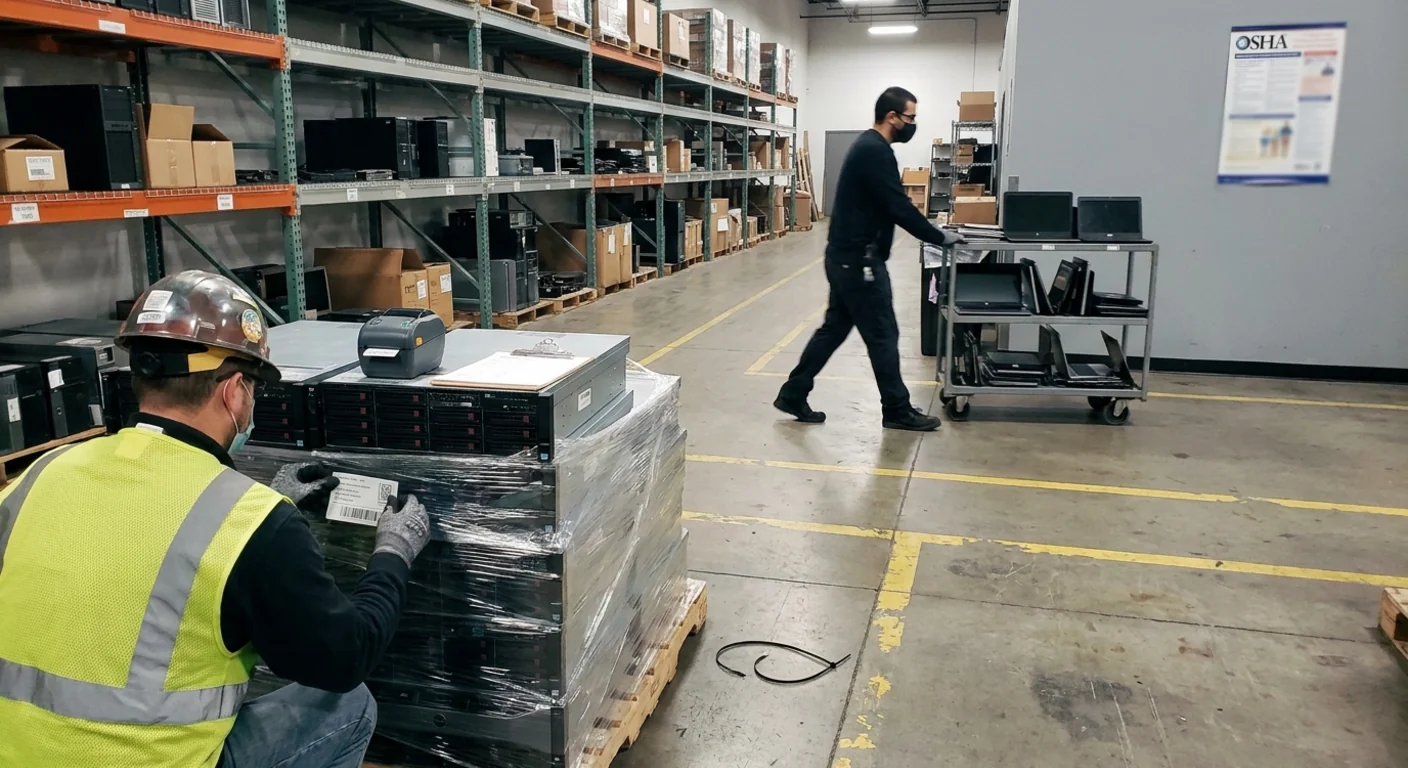
Effective ITAD begins with comprehensive asset inventory. Organizations should catalog each device by serial number, asset tag, type, and location before decommissioning. This inventory becomes the foundation for chain of custody documentation that tracks assets from initial pickup through final disposition. Detailed records demonstrate accountability and provide audit trails when compliance questions arise.
Chain of custody protocols document every transfer and processing step. When assets leave your facility, manifests should record the date, time, responsible parties, and specific items in transport. Throughout processing, updates track data destruction completion, refurbishment decisions, and material recycling outcomes.
Chicago Shredder maintains detailed chain of custody records for all client assets processed through our Addison, Illinois facility. Clients receive certificates of destruction for data-bearing devices and detailed reporting that accounts for each inventoried item.
3. Secure Data Destruction Within ITAD Programs
Before any device leaves your control or enters downstream processing, data-bearing media must be sanitized using methods appropriate to the sensitivity level and device type. The NIST SP 800-88 guidelines outline sanitization approaches including clearing, purging, and physical destruction based on risk assessment and asset disposition plans.
For maximum security, physical destruction eliminates data recovery risks. Chicago Shredder's Addison facility includes an on-site hard drive crusher that renders drives physically destroyed before downstream processing. This mechanical destruction method creates results designed to be unrecoverable, addressing concerns about data remanence that can persist after software-based sanitization alone.
Organizations should specify data destruction requirements before engaging ITAD providers. Document which methods apply to different asset classes, whether certificate of destruction is required, and how exceptions are handled. Providers following the DoD 5220.22-M standard or NIST guidelines demonstrate commitment to recognized practices, though neither represents formal certification. Clear expectations and documented procedures ensure data destruction aligns with your organization's risk tolerance and compliance obligations.
4. Refurbish Versus Recycle Decision Framework
Not every retired asset requires immediate recycling. Functional equipment may offer value recovery through refurbishment and resale, reducing total cost of ownership while extending product lifecycles. The decision between refurbishment and recycling depends on equipment age, condition, market demand, data security requirements, and organizational policies regarding secondary markets.
Refurbishment makes economic sense when devices retain significant functional value and can be securely sanitized. Modern laptops, tablets, and smartphones often qualify for resale if they meet performance standards and show minimal wear. Servers and networking equipment may find secondary markets in development environments or smaller organizations. However, devices containing proprietary configurations, outdated security features, or specialized data storage may warrant direct recycling regardless of functional condition.
Chicago Shredder evaluates each asset category to recommend the most appropriate disposition path. Devices selected for refurbishment undergo complete data sanitization before entering secondary markets. Equipment designated for recycling moves to material recovery processes where components are separated and processed through downstream partners. This evaluation maximizes value recovery while maintaining security standards throughout the disposition process.
5. Downstream Processing
Responsible ITAD extends beyond your facility to include downstream processing partners.
Processing facilities document material flows, maintain focus materials tracking, and conduct due diligence on all downstream partners. This framework ensures that no materials are knowingly disposed of in landfills and that international shipments comply with applicable regulations.
This relationship provides clients with the documentation and assurance that secure processing delivers.
6. Data Disposal Considerations
Different industries face distinct compliance requirements that shape ITAD program design. Healthcare organizations must address HIPAA requirements for protected health information, financial institutions navigate GLBA mandates, publicly traded companies consider SOX obligations, and educational institutions manage FERPA protections.
Organizations should request service agreements that outline security measures, destruction methods, liability provisions, and documentation deliverables. Insurance coverage including errors and omissions protection adds another layer of risk mitigation when handling sensitive assets.
Our processes include detailed chain of custody tracking, secure transportation, and certificates of destruction that document sanitization completion. While ultimate compliance responsibility remains with the asset owner, partnering with providers who understand regulatory frameworks and maintain appropriate controls reduces implementation burden and audit risk.
7. Chicago-Area Logistics Advantages for Illinois Businesses
Geographic proximity affects ITAD program efficiency, security, and cost. Chicago-area businesses benefit from working with local providers who understand regional compliance expectations, offer rapid response times, and minimize transportation distances. Shorter supply chains reduce the window of potential data exposure during transit and simplify coordination for time-sensitive decommissioning projects.
Chicago Shredder operates from our Addison, Illinois facility, providing convenient access for businesses throughout the Chicago metropolitan area and across Illinois. Local operations mean we typically respond to service requests within one business day and can coordinate pickup schedules that align with your IT refresh cycles or facility moves. On-site hard drive destruction services are available for organizations that prefer to witness physical destruction before assets leave their premises.
Regional ITAD providers also understand local business environments and industry concentrations. We serve healthcare systems, financial services firms, educational institutions, manufacturing operations, and professional services organizations across the Chicago area.
8. Frequently Asked Questions
What documentation should I expect from an ITAD provider?
Comprehensive ITAD services include pickup manifests with detailed asset inventories, chain of custody records tracking each processing step, certificates of destruction for data-bearing devices, and final disposition reports accounting for all materials. These documents support compliance audits and demonstrate responsible asset management throughout the disposition lifecycle.
What documentation should you request from a recycler?
When your ITAD provider uses secure downstream facilities, you gain documented assurance that materials are processed through verified channels and that no materials are knowingly disposed of in landfills.
What data destruction method is most secure for retiring hard drives?
Physical destruction through crushing or shredding provides the highest security level by rendering drives mechanically destroyed and designed to be unrecoverable. Chicago Shredder's Addison facility includes an on-site hard drive crusher for clients who require physical destruction before downstream processing, eliminating data recovery risks associated with software-based sanitization alone.
Can ITAD services help with compliance under HIPAA or GLBA?
These elements help organizations demonstrate due diligence and maintain audit trails that address compliance framework expectations for secure asset disposition.
How quickly can Chicago Shredder respond to ITAD service requests?
We typically respond to service requests within one business day for businesses throughout the Chicago area and across Illinois. Our Addison facility location provides convenient access for coordination, and we can schedule pickups that align with your IT refresh cycles, facility moves, or urgent decommissioning needs.
What happens to equipment that has value for refurbishment?
Functional equipment undergoes complete data sanitization before evaluation for secondary markets. Devices that meet performance and cosmetic standards may be refurbished and resold, extending product lifecycles and providing value recovery. Equipment designated for recycling moves directly to material recovery processes where components are separated and processed through downstream partners.
Implementing ITAD compliance best practices protects your organization from data breach risks, supports regulatory requirements, and demonstrates environmental responsibility. Effective programs combine detailed asset inventory, secure data destruction, chain of custody documentation, and downstream processing. Chicago-area businesses benefit from working with local providers who understand regional compliance expectations and offer rapid response times. Chicago Shredder serves Illinois organizations with comprehensive ITAD services designed to address security and sustainability throughout the asset lifecycle. Contact us at 866-770-2650 to discuss your IT asset disposition requirements or schedule a pickup from our Addison facility.
Ready to schedule a pickup?
Call 866-770-2650 or request a quote online. Every pickup includes clear service documentation.