
IT asset disposition, commonly called ITAD, is the systematic process companies use to manage their technology equipment when it reaches the end of its useful life. For businesses across the Chicago area and throughout Illinois, effective ITAD programs address multiple challenges at once: protecting sensitive data, meeting regulatory requirements, recovering residual asset value, and preventing electronic waste from entering landfills. This guide explores the core components of professional ITAD services, the advantages they deliver to organizations of all sizes, and how partnering with a local provider streamlines the entire lifecycle management process for retiring technology assets.
1. What IT Asset Disposition Means for Your Organization
IT asset disposition encompasses every step involved in retiring technology equipment, from initial inventory assessment through final recycling or refurbishment. The process begins when organizations identify computers, servers, networking equipment, mobile devices, or other electronics that are obsolete, broken, or being replaced during upgrade cycles. Rather than simply discarding these assets, ITAD providers create structured workflows that maximize value recovery while minimizing risk.
For businesses in Chicago and surrounding communities, working with a local ITAD partner means faster response times and reduced transportation impacts. The process is designed to give organizations complete visibility into what happens to their retired equipment from pickup through final disposition.
Many companies initially underestimate the complexity of properly retiring IT assets. Equipment often contains regulated materials requiring specialized handling, while storage devices hold sensitive information that demands secure destruction methods.
2. Asset Inventory and Chain of Custody Documentation
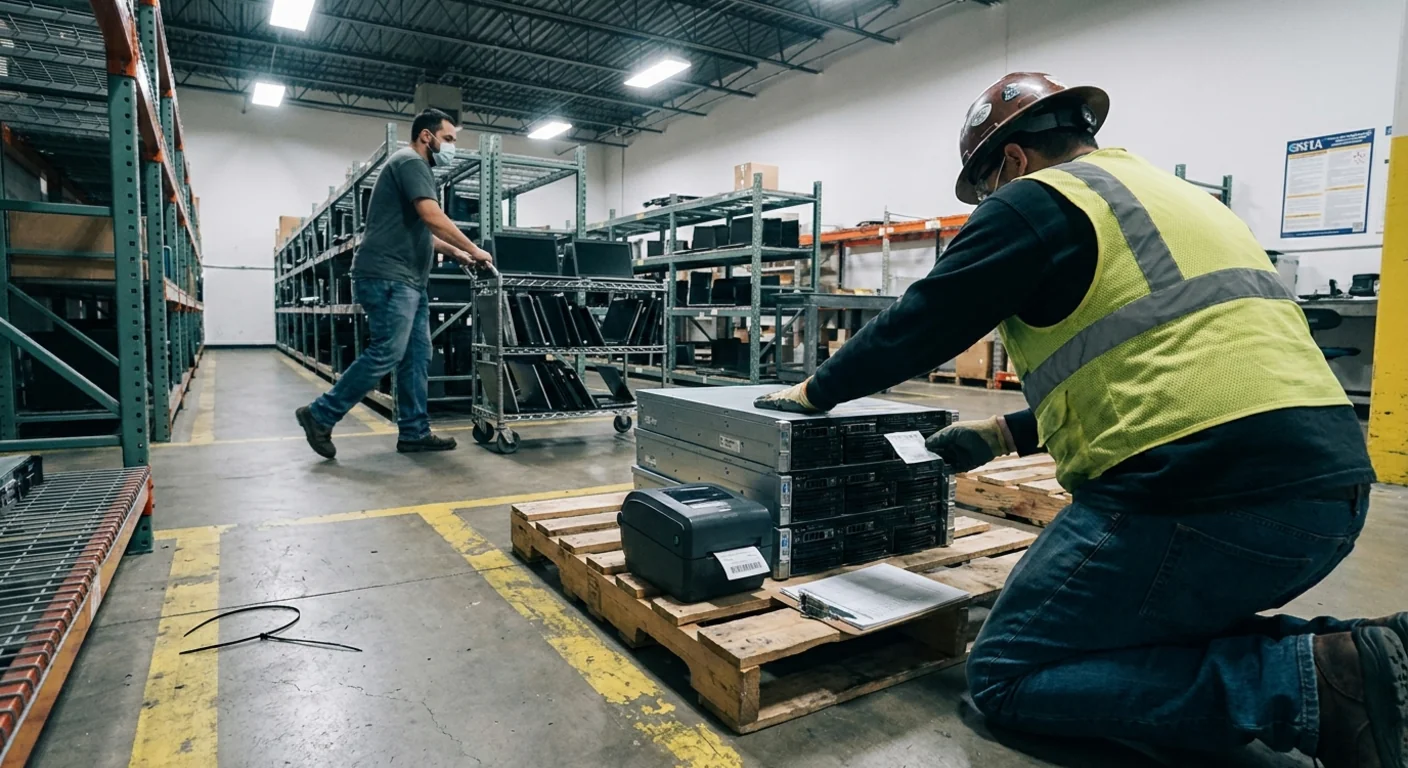
Accurate asset tracking forms the foundation of any effective ITAD program. When equipment leaves your facility, you need verifiable records showing exactly what was picked up, where it went, and how it was processed. Chain of custody documentation creates this audit trail, recording serial numbers, make and model information, and asset tag details for every piece of equipment.
Professional ITAD providers typically assign unique tracking identifiers to each item or batch during the initial inventory process. These identifiers follow the equipment through every subsequent step, from transportation to data destruction to final recycling or refurbishment. For organizations subject to audit requirements or regulatory oversight, this documentation proves essential when demonstrating proper handling of retired assets.
Chicago Shredder creates detailed inventory records during pickup and maintains chain of custody documentation throughout the entire process. The documentation includes pickup manifests, processing certificates, and final disposition reports that clearly account for every asset that entered the ITAD pipeline.
3. Secure Data Destruction as a Core ITAD Component
Data security represents the highest priority concern for most organizations pursuing ITAD services. Hard drives, solid-state drives, smartphones, tablets, and other storage media contain everything from customer records and financial data to proprietary business information and employee details. Simply deleting files or reformatting drives does not make this information unrecoverable.
Professional data destruction methods follow documented standards designed to render information unrecoverable through any known technique. These methods include physical destruction through crushing or shredding, and software-based sanitization that follows protocols outlined in guidelines like NIST SP 800-88. For organizations with heightened security requirements, physical destruction provides the highest assurance level because it eliminates any possibility of data remnants.
Chicago Shredder operates an on-site hard drive crusher at our Addison, Illinois facility, allowing for immediate physical destruction of storage media. This local processing capability means Chicago-area businesses can arrange witnessed destruction services, watching their drives rendered unusable in real time. For compliance frameworks like HIPAA, GLBA, SOX, and FERPA, documented destruction processes are designed to support your organization's regulatory requirements.
4. Refurbishment Versus Recycling Decision Process
Not every retired IT asset reaches true end of life. Many computers, monitors, networking devices, and mobile electronics retain functional value that can be captured through refurbishment and remarketing. The decision between refurbishment and recycling depends on multiple factors including equipment age, condition, market demand, and the organization's preferences regarding data-bearing devices.
Professional ITAD providers evaluate each asset category to determine the most appropriate disposition path. Newer equipment in good working condition typically qualifies for refurbishment after secure data sanitization. These devices can be resold, creating residual value that may offset ITAD service costs. Older equipment, devices with significant damage, or items with limited secondary market demand proceed directly to recycling, where materials are recovered and reintroduced into manufacturing supply chains.
For businesses concerned about data security, many choose to recycle all data-bearing devices regardless of potential resale value. This approach eliminates any theoretical risk of information recovery, even after secure sanitization. The flexibility to make device-specific decisions based on organizational risk tolerance represents one advantage of working with experienced ITAD providers who can accommodate varying security preferences across different asset categories.
5. Secure Processing and Environmental Responsibility
Where your retired electronics ultimately end up matters significantly from both environmental and liability perspectives. Responsible ITAD providers follow strict protocols to ensure materials are processed at processing facilities rather than exported to developing countries or disposed of through uncontrolled channels.
Processing facilities must document where materials are sent, verify that downstream processors meet environmental requirements, and maintain systems preventing improper disposal. For businesses, working with processors reduces the risk of being linked to environmental violations or improper handling that could occur through irresponsible handling chains.
This secure process means the materials from your retired IT assets are handled according to documented protocols, with no materials knowingly disposed of in landfills when recycling alternatives exist.
6. Data Disposal Considerations
Different industries face varying regulatory requirements when retiring IT equipment, but common themes emerge around data protection, environmental responsibility, and documentation. Healthcare organizations must consider HIPAA requirements when disposing of devices that stored protected health information. Financial institutions navigate GLBA and SOX requirements related to customer data and financial records. Educational institutions address FERPA obligations regarding student information.
Detailed documentation, secure data destruction methods, environmentally sound recycling, and verifiable chain of custody records all contribute to the evidence base organizations need when demonstrating proper handling of retired assets.
For Chicago-area businesses, working with a local ITAD provider familiar with common regulatory frameworks means faster communication when questions arise and easier coordination if documentation needs to be updated or expanded.
7. Chicago-Area Logistics and Service Advantages
Geography plays a practical role in ITAD effectiveness. When your service provider operates locally, scheduling pickups becomes simpler, response times improve, and transportation impacts decrease. For businesses across Chicago, the suburbs, and throughout Illinois, working with a provider based in the metropolitan area means same-day or next-day service is often possible when urgent retirement needs arise.
Local presence also facilitates on-site services that may be impractical with distant providers. Witnessed destruction, on-site hard drive shredding, and coordinated large-scale equipment decommissioning projects all benefit from proximity. When questions arise or documentation needs clarification, local providers typically respond within one business day rather than requiring extended wait times for customer service callbacks.
Chicago Shredder's Addison facility serves businesses throughout the Chicago metropolitan area, offering pickup services for organizations retiring everything from a few desktop computers to complete data center decommissioning projects. This combination of geographic convenience and specialized expertise creates measurable advantages when managing your IT asset disposition requirements.
8. Frequently Asked Questions
How much does IT asset disposition cost for businesses?
ITAD costs vary based on equipment volume, asset types, service requirements, and whether items have residual value that can offset fees. Some newer equipment in good condition may qualify for value-sharing arrangements where resale revenue reduces or eliminates service costs. Organizations should request customized quotes based on their specific asset mix and service needs.
What happens to data on devices that get refurbished and resold?
Professional ITAD providers perform secure data sanitization before any device enters resale channels. This process follows documented standards designed to render previous information unrecoverable. Many organizations with heightened security requirements Choose a recycler that documents chain of custody and provides a Certificate of Recycling.
How long does the ITAD process take from pickup to final reporting?
Timeline depends on project scope and service requirements. Standard pickups for small equipment volumes typically result in processing completion and documentation within two to three weeks. Larger projects involving extensive inventory, witnessed destruction, or on-site services may require longer coordination periods. Local providers typically respond within one business day to schedule services.
Can we witness the destruction of our hard drives and storage media?
Many ITAD providers offer witnessed destruction services where client representatives observe the physical destruction process. Chicago Shredder operates an on-site hard drive crusher at our Addison, Illinois facility, making witnessed destruction convenient for Chicago-area businesses. This service provides additional assurance that specific devices were completely destroyed as documented.
What documentation will we receive after the ITAD process is complete?
Professional ITAD services include certificates of destruction for data-bearing devices, chain of custody documentation tracking assets through each process step, final disposition reports showing recycling or refurbishment outcomes, and detailed inventory records matching what was picked up.
Do you handle IT asset disposition for organizations outside the Chicago area?
Organizations outside our primary service region should contact us to discuss coverage options and determine the most appropriate service arrangement for their location and requirements.
Effective IT asset disposition protects your organization on multiple fronts simultaneously. For Chicago-area businesses, working with a local ITAD provider adds the practical advantages of faster response, convenient witnessed destruction options, and simplified coordination for projects of any size. Whether you are retiring a handful of computers or decommissioning an entire data center, partnering with experienced providers ensures the process follows documented protocols from initial pickup through final disposition. Contact Chicago Shredder at 866-770-2650 to discuss your IT asset disposition requirements, or schedule a pickup to begin the retirement process for your end-of-life technology equipment.
Ready to schedule a pickup?
Call 866-770-2650 or request a quote online. Every pickup includes clear service documentation.