

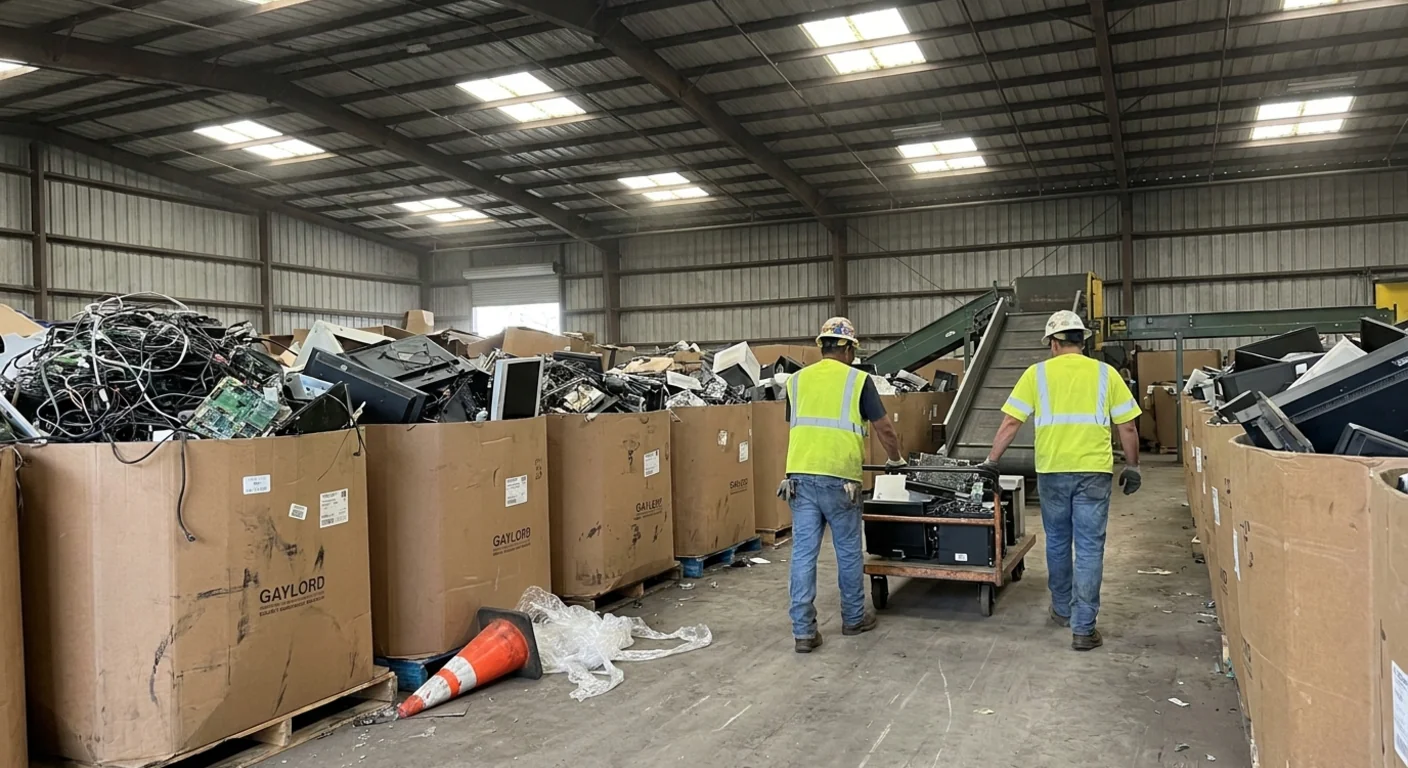
IT asset disposition, commonly known as ITAD, is the process of safely and responsibly retiring end-of-life technology equipment. For businesses in Chicago and across Illinois, ITAD represents far more than simply discarding old computers and servers. It encompasses secure data destruction, environmental stewardship, compliance support, and the potential to recover value from retired assets. As organizations upgrade their technology infrastructure, understanding the environmental and security implications of IT asset disposition has become a critical business consideration. Proper ITAD practices protect sensitive information, reduce electronic waste, and support your company's sustainability goals.
1. What IT Asset Disposition Means for Your Organization
IT asset disposition is a comprehensive service that manages the entire lifecycle of retiring technology equipment. When your business replaces computers, servers, networking equipment, or mobile devices, ITAD ensures these assets are handled responsibly from the moment they leave your facility until final processing.
The ITAD process typically begins with asset inventory and detailed documentation. Every piece of equipment receives tracking through a documented chain of custody, creating a transparent record of where assets go and how they are processed. This documentation proves essential for audit requirements and compliance frameworks that govern data security.
For Chicago-area businesses, working with a local ITAD provider offers logistical advantages. Shorter transportation distances reduce carbon emissions associated with asset retirement, while local partnerships enable faster response times and more flexible scheduling. Chicago Shredder serves businesses throughout the Chicago metropolitan area from our Addison, Illinois facility, providing convenient access to professional ITAD services.
Unlike simple disposal, ITAD focuses on maximizing value recovery and minimizing environmental impact. Equipment that still holds functional value may be refurbished and remarketed, extending its useful life. Assets beyond repair are processed through secure electronics recycling channels, ensuring materials are recovered rather than deposited in landfills.
2. Asset Inventory and Chain of Custody Documentation
Professional ITAD begins with meticulous asset tracking. When your organization schedules a pickup, each piece of equipment is cataloged with identifying information including make, model, serial number, and asset tag details. This inventory process creates the foundation for comprehensive chain of custody documentation.
Chain of custody tracking follows every asset from your facility through final disposition. This documentation records each transfer point, processing step, and ultimate outcome for every device. For organizations with compliance requirements, this paper trail demonstrates responsible handling and provides evidence for regulatory audits.
The documentation also supports internal asset management. Detailed manifests help your IT and finance departments reconcile retired equipment against purchase records and depreciation schedules. This information proves valuable for budget planning and technology refresh cycles.
Chicago Shredder provides comprehensive documentation for every ITAD engagement. Our tracking systems record the complete journey of your assets, and we typically respond within one business day to documentation requests.
3. Secure Data Destruction as a Core ITAD Component
Data security stands as the most critical element of IT asset disposition. Every hard drive, solid-state drive, and mobile device potentially contains sensitive business information, customer records, intellectual property, or regulated data. Simply deleting files or reformatting drives does not render this information unrecoverable.
Professional ITAD services employ secure data destruction methods designed to make information unrecoverable. For hard drives, physical destruction offers the highest security assurance. Chicago Shredder operates an on-site hard drive crusher at our Addison, Illinois facility, reducing drives to fragments that cannot be reassembled or read by any known recovery method.
For assets destined for refurbishment and resale, data sanitization follows documented standards. NIST SP 800-88 provides guidelines for media sanitization, while the DoD 5220.22-M standard specifies overwriting protocols. These methods systematically overwrite data multiple times, rendering it unrecoverable through conventional means.
All data destruction services include certificates of destruction that document the method used, the date of processing, and identifying information for each device. Organizations subject to HIPAA, GLBA, SOX, or FERPA requirements find these services designed to support their compliance obligations.
4. The Refurbish Versus Recycle Decision Process
Not all retired IT assets require recycling. ITAD providers evaluate each piece of equipment to determine whether refurbishment offers a viable option. This assessment considers the age of the equipment, its functional condition, market demand, and the effort required to prepare it for resale.
Equipment meeting refurbishment criteria undergoes data sanitization, functional testing, and cosmetic restoration. Refurbished assets can be remarketed through secondary channels, generating value that can offset ITAD service costs. For many organizations, this value recovery turns IT asset retirement from a pure expense into a more cost-neutral process.
Assets that do not meet refurbishment standards proceed to recycling. This includes equipment too old to find secondary markets, devices with significant damage, or specialized hardware with limited resale potential. The recycling path ensures valuable materials like metals, plastics, and glass are recovered for manufacturing new products.
The decision tree between refurbishment and recycling optimizes both environmental and economic outcomes. Extending the useful life of functional equipment reduces the demand for new manufacturing, which carries significant environmental costs. When equipment reaches true end-of-life, sustainable recycling recovers materials and keeps hazardous substances out of landfills. Chicago Shredder evaluates every asset to determine the most appropriate disposition path.
5. More to Consider
Environmental responsibility in ITAD requires verified downstream processing. Not all electronics recycling operations meet the same standards, and some use practices that harm the environment or export hazardous waste to developing countries.
These reviews verify that processing maintains proper environmental controls, tracks materials through the recycling chain, and uses only approved downstream processors. It also addresses data security, requiring documented procedures for managing data-bearing devices.
For Chicago-area businesses, this approach provides confidence that retired IT assets are processed responsibly. Materials are handled according to environmental regulations, no materials are knowingly disposed of in landfills, and the entire recycling process maintains transparency through documented tracking.
6. Data Disposal Considerations
Many Chicago businesses operate in industries with specific regulations governing data security and environmental responsibility. Healthcare organizations must address HIPAA requirements, financial institutions navigate GLBA obligations, publicly traded companies consider SOX provisions, and educational institutions manage FERPA protections.
Proper ITAD practices help organizations demonstrate reasonable safeguards for protected information. Documented chain of custody, secure data destruction, and detailed certificates create an audit trail showing due diligence in protecting sensitive data. These records prove valuable during regulatory examinations or in response to data breach investigations.
Environmental compliance also factors into ITAD. Professional ITAD providers manage these regulatory complexities, ensuring electronics are processed through approved channels.
Chicago Shredder provides services designed to support compliance requirements across regulated industries. For businesses managing multiple compliance frameworks, professional ITAD reduces risk and simplifies regulatory obligations.
7. Chicago-Area Logistics Advantages for ITAD Services
Geography matters in IT asset disposition. Working with a local provider in the Chicago metropolitan area delivers practical advantages that extend beyond convenience. Transportation distances directly affect both environmental impact and service flexibility.
Shorter transportation routes reduce the carbon footprint associated with ITAD services. When retired equipment travels hundreds of miles to distant processing facilities, the transportation emissions offset some environmental benefits of recycling. Local processing through our Addison, Illinois facility minimizes these transportation impacts for Chicago-area businesses.
Local partnerships also enable more responsive service. Organizations can schedule pickups with shorter lead times, accommodate urgent retirement projects, and coordinate services around business operations. The proximity allows for better communication and more flexible scheduling than distant providers can offer.
For businesses with ongoing ITAD needs, a local provider becomes a trusted partner rather than a transactional vendor. Regular service relationships build familiarity with your organization's specific requirements, security protocols, and documentation preferences. This partnership approach delivers more consistent service quality and reduces the administrative burden of managing IT asset retirement.
Chicago Shredder serves organizations throughout the Chicago area from our Addison facility. We understand the local business environment, maintain the flexibility to accommodate various scheduling needs, and provide the responsive service that comes from serving our immediate community.
8. Frequently Asked Questions
What types of IT assets can be included in ITAD services?
ITAD services handle virtually all business technology equipment including desktop computers, laptops, servers, networking equipment, mobile devices, printers, and peripherals. Specialized equipment like point-of-sale systems, medical devices with embedded technology, and telecom hardware are also commonly processed through ITAD channels. If your organization has questions about specific equipment types, contact us at 866-770-2650 for guidance.
How does chain of custody documentation protect my organization?
Chain of custody creates a verifiable record of every asset from the moment it leaves your facility through final processing. The detailed tracking also helps reconcile retired assets against your internal inventory records.
Which regulatory requirements may apply to this topic?
Data deletion or reformatting simply marks storage space as available but does not actually remove the underlying data, which remains recoverable with forensic tools. Certified data destruction uses either physical destruction methods like crushing or shredding, or software-based sanitization following standards like NIST SP 800-88 or DoD 5220.22-M. These methods are designed to make data unrecoverable through any known technique.
Can ITAD services generate value to offset disposal costs?
Yes, equipment with remaining functional value may be refurbished and remarketed, generating proceeds that can offset service costs or even create positive value. The potential for value recovery depends on the age, condition, and type of equipment being retired. Industry studies suggest that optimizing the refurbishment versus recycling decision can significantly reduce net ITAD costs for organizations with diverse technology assets.
What environmental benefits does proper ITAD provide?
Professional ITAD maximizes material recovery, keeping valuable metals, plastics, and glass out of landfills and returning them to manufacturing supply chains. Refurbishing functional equipment extends product lifecycles, reducing demand for new manufacturing. These practices reduce the overall environmental footprint of technology consumption.
How quickly can ITAD services be scheduled for Chicago-area businesses?
We typically respond to service requests within one business day and can often accommodate pickup scheduling within a few days depending on the scope of the project. For organizations with urgent retirement needs or specific timing requirements, we work to provide flexible scheduling. The proximity of our Addison facility to Chicago-area businesses enables more responsive service than distant providers can offer.
IT asset disposition represents a critical intersection of data security, environmental responsibility, and regulatory compliance. For Chicago-area businesses, proper ITAD practices protect sensitive information through secure data destruction, support sustainability goals through responsible electronics recycling, and create documentation that demonstrates compliance with industry regulations. If your organization is planning technology refresh projects or needs to retire end-of-life equipment, contact Chicago Shredder at 866-770-2650 or schedule a pickup to ensure your IT assets are handled responsibly.
Ready to schedule a pickup?
Call 866-770-2650 or request a quote online. Every pickup includes clear service documentation.