
IT asset disposition (ITAD) involves the secure, environmentally responsible management of retired technology equipment, from initial inventory through final recycling or refurbishment. For Chicago-area businesses, effective ITAD means protecting sensitive data, meeting compliance requirements, and ensuring electronics are processed responsibly rather than ending up in landfills. Chicago Shredder provides comprehensive ITAD services throughout the region, combining on-site hard drive destruction capabilities with downstream processing through processing facilities to help organizations retire their IT assets with confidence.
1. Understanding IT Asset Disposition
IT asset disposition encompasses the entire lifecycle of retiring technology equipment, from servers and workstations to mobile devices and networking hardware. The process begins when equipment reaches end-of-life, whether due to upgrades, lease expirations, or business changes. Unlike simple disposal, ITAD follows structured protocols designed to maximize value recovery, protect data security, and minimize environmental impact.
The ITAD process typically includes asset inventory and tracking, data sanitization or destruction, equipment evaluation for potential reuse, and final recycling of materials that cannot be refurbished. Each step requires careful documentation to maintain chain of custody and support compliance requirements. For organizations handling protected information, ITAD represents a critical security measure rather than just an administrative task.
Chicago-area businesses benefit from local ITAD providers who understand regional compliance expectations and can respond quickly to equipment retirement needs. The proximity advantage means faster response times, reduced transportation risks, and the ability to coordinate larger projects with on-site support when needed.
2. Asset Inventory and Chain of Custody
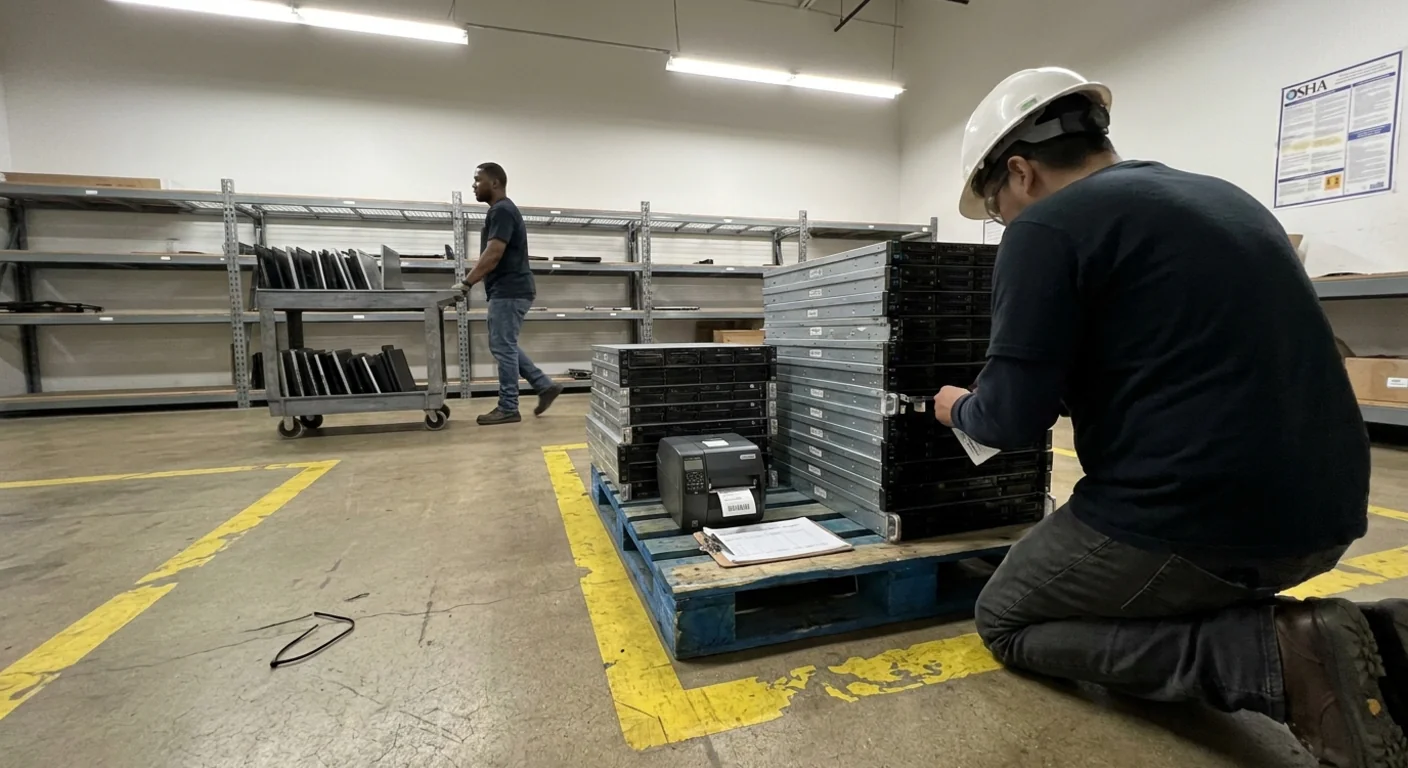
Effective ITAD begins with comprehensive asset tracking from the moment equipment enters the retirement process. Detailed inventory documentation captures serial numbers, equipment types, and any identifying information necessary for internal tracking and compliance reporting. This initial step establishes the foundation for maintaining visibility throughout the disposition process.
Chain of custody documentation tracks every movement and process applied to each asset, creating an auditable record from pickup through final disposition. This documentation includes who handled the equipment, when transfers occurred, what processes were applied, and where materials ended up. For regulated industries, maintaining unbroken chain of custody helps demonstrate compliance with data protection requirements.
Chicago Shredder provides detailed documentation for every asset processed, including certificates of destruction for data-bearing devices and recycling documentation showing responsible downstream processing. Organizations receive records they can retain for compliance audits, insurance purposes, or internal tracking systems. This documentation approach supports the accountability requirements many Chicago businesses face across healthcare, financial services, and professional services sectors.
3. Secure Data Destruction in ITAD
Data security represents the most critical component of IT asset disposition, as retired equipment often contains sensitive information even after standard deletion procedures. Hard drives, solid-state drives, and other storage media require specialized destruction methods designed to make data recovery infeasible. The approach selected depends on security requirements, equipment type, and compliance obligations.
Chicago Shredder operates an on-site hard drive crusher at our Addison, Illinois facility, providing physical destruction that renders drives inoperable and data inaccessible. Physical destruction offers the highest security level for extremely sensitive information or when organizations prefer to eliminate any possibility of data recovery.
For equipment that may be refurbished and reused, data sanitization follows recognized standards rather than simple deletion. Software-based wiping applies multiple overwrite passes to make original data unrecoverable, following methodologies outlined in guidelines like NIST SP 800-88. Organizations receive certificates documenting the destruction or sanitization method applied to each device, providing the evidence needed for compliance reporting and audit responses.
4. Refurbish versus Recycle Decisions
Not all retired IT equipment follows the same path through the ITAD process. Equipment evaluation determines whether devices can be refurbished for reuse or should proceed directly to recycling. This decision impacts both value recovery and environmental outcomes, as extending equipment life through refurbishment reduces the demand for new manufacturing and associated resource consumption.
The refurbish-or-recycle decision considers several factors: equipment age and condition, market demand for the specific model, functional testing results, and the organization's policies regarding equipment reuse. Newer equipment in good working condition after data sanitization may be suitable for refurbishment and resale, potentially generating value that offsets ITAD costs. Older equipment or devices with functional issues typically proceed to recycling.
Chicago-area organizations sometimes prefer to recycle all equipment regardless of condition, particularly when handling highly sensitive environments or when internal policies prohibit resale of company assets. Chicago Shredder accommodates these preferences while ensuring all materials are processed responsibly. Equipment designated for recycling is broken down into commodity materials like metals, plastics, and circuit boards, which are then processed through appropriate downstream channels.
5. Downstream Processing
This standards represents one of the leading credentials, establishing requirements for downstream vendor management, material tracking, and environmental compliance.
This documented framework requires documented downstream vendor approval, regular audits of processing partners, and verification that materials are handled according to established environmental and safety standards. The review process examines everything from data security protocols to worker training and material flow documentation.
This visibility supports corporate sustainability reporting and helps organizations demonstrate responsible disposal practices.
6. Data Disposal Considerations
Chicago-area businesses across multiple sectors face regulatory requirements regarding data protection and equipment disposal. Healthcare organizations must consider HIPAA requirements when disposing of systems that processed protected health information. Financial institutions navigate GLBA obligations around customer data protection. Educational institutions address FERPA requirements for student information, while publicly traded companies face SOX considerations around financial data.
Organizations receive certificates of destruction, asset inventory reports, and recycling documentation that can be retained for compliance purposes. This documentation package helps businesses demonstrate to auditors and regulators that they have implemented appropriate controls around IT asset disposition and data protection.
7. Chicago-Area Logistics Advantages
Geographic proximity offers practical advantages for IT asset disposition services. Chicago-area businesses working with local ITAD providers benefit from faster response times, easier coordination for large projects, and reduced transportation risks compared to shipping equipment long distances to distant facilities.
Chicago Shredder's Addison, Illinois location provides convenient access throughout the metropolitan area and surrounding regions. We typically respond to service requests within one business day, and can coordinate scheduled pickups that align with office moves, equipment refresh cycles, or other business timelines. For larger projects involving significant equipment volumes, our team can provide on-site support to facilitate efficient asset collection and documentation.
The local presence also means organizations can visit our facility when needed, observing our processes and asking questions about how their equipment will be handled. This transparency helps build confidence in the ITAD process, particularly for organizations new to working with specialized disposal providers or those handling especially sensitive equipment retirements. Our proximity to O'Hare and Midway airports, major interstate highways, and the broader Chicago logistics infrastructure supports efficient service delivery across the region.
8. Frequently Asked Questions
What types of IT equipment can be included in asset disposition services?
ITAD services handle virtually all business technology equipment including desktop computers, laptops, servers, networking equipment, mobile devices, printers, and data storage devices. Chicago Shredder processes complete equipment retirements from single devices to entire data center decommissioning projects.
How long does the IT asset disposition process typically take?
Timeline varies based on project size and service requirements. Simple pickups with hard drive destruction can often be completed within days of initial contact, while larger projects involving detailed inventory and multiple service locations may require coordinated scheduling over several weeks.
What documentation will we receive after our IT assets are processed?
Organizations receive certificates of destruction for data-bearing devices, detailed asset inventory reports, and documentation showing sustainable recycling of materials.
Can you handle ITAD for multiple office locations across the Chicago area?
Yes, Chicago Shredder coordinates multi-location pickups throughout the Chicago metropolitan area and surrounding regions. We can schedule coordinated collection dates or establish ongoing service arrangements for organizations with regular equipment retirement needs across multiple sites.
What happens to equipment that still has usable life remaining?
After secure data destruction or sanitization, functional equipment may be evaluated for refurbishment and resale, extending its useful life and reducing environmental impact. Organizations can specify preferences regarding equipment reuse, and some choose to recycle all assets regardless of condition based on internal policies.
How does secure recycling differ from standard electronics disposal?
Secure recycling follows established standards for downstream vendor management, environmental compliance, and material tracking.
IT asset disposition represents more than equipment disposal. It encompasses data security, compliance support, environmental responsibility, and value recovery from retired technology. Chicago-area organizations benefit from working with local ITAD providers who Choose a recycler that documents chain of custody and provides a Certificate of Recycling. Contact us at 866-770-2650 to discuss your IT asset disposition needs or schedule a pickup for your retired equipment.
Ready to schedule a pickup?
Call 866-770-2650 or request a quote online. Every pickup includes clear service documentation.