

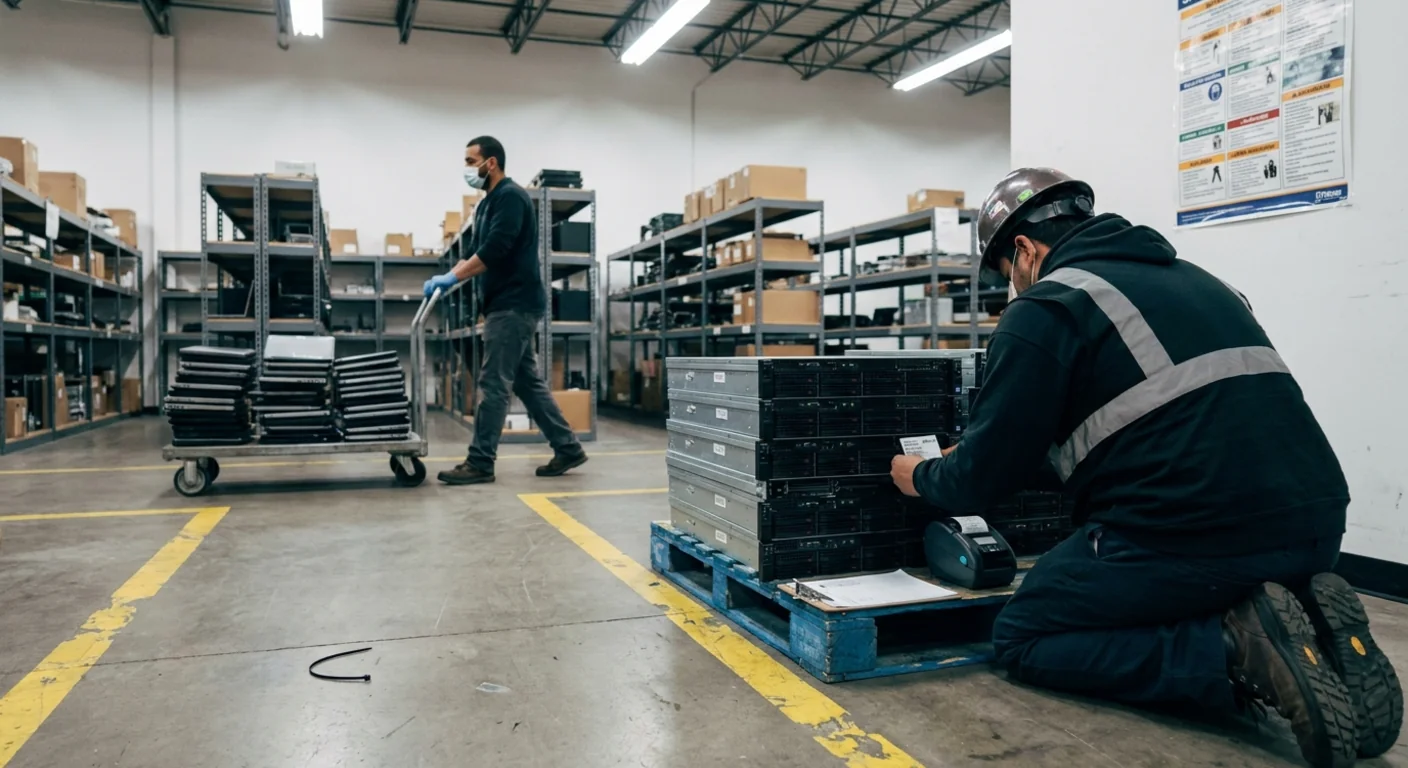
IT asset disposition represents a significant opportunity for Illinois businesses to recover value from retiring technology while managing risk. Effective ITAD strategies balance financial recovery, security requirements, and environmental responsibility. Organizations that approach disposition systematically often recover measurable value from equipment that might otherwise become a liability.
1. Understanding IT Asset Disposition and Its Business Value
IT asset disposition encompasses the entire process of retiring and reallocating business technology assets. This includes computers, servers, networking equipment, mobile devices, and other electronics that have reached end of life or are being replaced during technology refresh cycles. The process extends beyond simple disposal to include evaluation, data sanitization, potential resale or donation, and sustainable recycling.
Many Illinois businesses overlook the financial potential within their retiring technology. Equipment that no longer serves current operational needs may still hold significant residual value in secondary markets. Hard drives contain precious metals, circuit boards include recoverable materials, and functional components can be refurbished for resale. A strategic approach to disposition captures this value rather than treating all retiring equipment as waste.
The business case for effective ITAD extends beyond direct financial recovery. Proper disposition reduces storage costs for obsolete equipment, eliminates ongoing maintenance expenses for retired systems, and minimizes liability associated with data-bearing devices. Organizations that implement structured ITAD programs typically see improvements across multiple cost centers while simultaneously addressing security and compliance requirements.
2. Asset Inventory and Chain of Custody Management
Successful ITAD begins with comprehensive asset tracking. Before equipment leaves your facility, establish a complete inventory that documents make, model, serial numbers, and asset tags. This inventory becomes the foundation for chain of custody documentation and provides verification that all assets were properly processed. Detailed tracking also supports internal audit requirements and helps identify patterns in equipment lifecycle that can inform future purchasing decisions.
Chain of custody documentation creates an auditable record from the moment equipment is designated for disposition through final processing. This documentation should include who handled each asset, when transfers occurred, where equipment was transported, and what processing methods were applied. For organizations subject to regulatory oversight, this paper trail demonstrates due diligence in asset handling and data protection.
Chicago Shredder provides detailed chain of custody documentation for all ITAD services. Our processes include asset-level tracking, photographic documentation when requested, and certificates of destruction or recycling. This documentation supports your internal controls and provides evidence of responsible disposition practices.
3. Secure Data Destruction as a Foundation of ITAD
Data security represents the highest risk factor in IT asset disposition. Storage devices retain information even after standard deletion or formatting, creating potential exposure if not properly sanitized. A single improperly handled hard drive can result in data breaches affecting thousands of records, triggering notification requirements, regulatory penalties, and reputational damage that far exceeds any recovery value from the equipment.
Data destruction methods should align with the sensitivity of information and your organization's security requirements. Software-based wiping using standards such as DoD 5220.22-M or following NIST SP 800-88 guidelines provides verification for devices being resold or redeployed. Physical destruction through crushing, shredding, or degaussing renders data designed to be unrecoverable and is appropriate for high-security applications or when devices are non-functional.
Chicago Shredder operates an on-site hard drive crusher at our Addison, Illinois facility, providing witnessed destruction services for organizations requiring maximum security assurance. This approach eliminates transportation risks associated with intact drives and provides immediate verification of destruction. For higher-volume projects or mixed-security requirements, we offer flexible programs combining data wiping for resalable equipment and physical destruction for sensitive or damaged devices. All destruction services include certificates documenting the process and verifying completion.
4. Refurbish Versus Recycle Decision Framework
Maximizing ROI from retiring equipment requires evaluating each asset's potential for reuse versus recycling. This decision impacts both financial recovery and environmental outcomes. Equipment that can be refurbished and resold delivers higher returns than commodity recycling, while recycling may be more appropriate for damaged, obsolete, or low-value items.
Several factors influence the refurbish-versus-recycle decision. Age and condition determine whether equipment meets current performance standards for secondary markets. Market demand varies by device type, with certain models retaining value while others have limited resale potential. Cosmetic condition affects resale value, though functional components may still be harvested from damaged housings. Your security requirements may preclude resale for certain device categories regardless of condition.
Functional devices in good condition may be prepared for resale through secure refurbishment channels. Equipment unsuitable for resale enters commodity recycling streams where materials are recovered for manufacturing feedstock. This tiered approach ensures each asset is processed through the pathway that delivers optimal value while maintaining security and environmental standards throughout.
5. Secure Processing and Downstream Accountability
The downstream processing of electronic waste significantly impacts both environmental outcomes and your organization's liability. Equipment sent to uncertified processors may end up in landfills, exported to countries with inadequate environmental controls, or handled in ways that create worker safety hazards. These practices can create legal exposure for the originating organization and undermine corporate sustainability commitments.
This secure process provides verified standards for responsible electronics recycling. This secure process addresses environmental management, health and safety, material tracking, and downstream vendor accountability. This creates transparency throughout the recycling chain and reduces risk of improper disposal.
This relationship provides access to processing capabilities while maintaining the local service and flexibility that Illinois businesses require. Materials are tracked through documented chains of custody, and no materials are knowingly disposed of in landfills. This approach protects your organization from downstream liability while supporting responsible environmental stewardship.
6. Data Disposal Considerations
Organizations in healthcare, financial services, education, and other regulated sectors face specific requirements around data protection and asset disposal. HIPAA requires healthcare entities to ensure proper disposal of electronic protected health information. The Gramm-Leach-Bliley Act mandates financial institutions implement appropriate disposal methods for customer information. Educational institutions subject to FERPA must protect student records through disposition. Sarbanes-Oxley creates retention and destruction requirements for financial records.
ITAD services designed to support compliance requirements include verified data destruction, detailed documentation, and processing through certified facilities. These elements provide evidence of due diligence in meeting regulatory obligations.
Our services include asset-level tracking, certificates of destruction or recycling, and processing through processing facilities. We maintain chain of custody documentation and can provide witnessed destruction services when required by internal policies or regulatory frameworks. This structured approach helps organizations demonstrate appropriate handling of sensitive data and retiring equipment.
7. Chicago Area Logistics Advantages for ITAD Programs
Location significantly impacts ITAD program efficiency and cost-effectiveness. Transportation represents a substantial component of disposition costs, particularly for large equipment volumes or secure transport requirements. Proximity to processing facilities reduces transit time, lowers transportation costs, and minimizes the window during which assets are in transit and potentially vulnerable.
The Chicago metropolitan area offers logistics advantages that benefit Illinois businesses implementing ITAD programs. Centralized location provides access to businesses throughout the state and neighboring regions. Developed transportation infrastructure supports efficient pickup and delivery. Local processing capabilities eliminate the delays and costs associated with shipping to distant facilities.
Chicago Shredder operates from Addison, Illinois, providing convenient access for businesses throughout the Chicago area and across Illinois. Our local presence enables flexible pickup scheduling, responsive service, and the ability to accommodate urgent disposition needs. For organizations requiring witnessed destruction, our on-site hard drive crusher eliminates the need to transport sensitive devices to distant facilities. This combination of local service and processing capabilities delivers the efficiency and security that maximize ITAD program value.
8. Frequently Asked Questions
What types of IT assets can be included in a disposition program?
ITAD programs can process virtually any electronic business equipment including desktop computers, laptops, servers, networking equipment, telecommunications devices, printers, copiers, mobile devices, and data center infrastructure. Chicago Shredder handles the full range of business electronics, providing appropriate processing based on equipment type, condition, and your security requirements.
How does physical destruction compare to data wiping for security?
Physical destruction through crushing or shredding renders data designed to be unrecoverable and is appropriate for maximum security requirements or non-functional devices. Software-based wiping following standards such as DoD 5220.22-M or NIST SP 800-88 guidelines allows equipment to be resold or redeployed while providing verified sanitization. The appropriate method depends on your data sensitivity, equipment condition, and whether you want to recover residual value through resale.
What documentation should I expect from an ITAD provider?
Comprehensive ITAD services should provide chain of custody documentation tracking assets from pickup through final disposition, certificates of destruction for data-bearing devices, certificates of recycling showing processing through processing facilities, and detailed manifests identifying each asset processed.
How can I maximize financial recovery from retiring equipment?
Maximizing recovery requires evaluating equipment for refurbishment potential versus commodity recycling value, maintaining equipment in good physical condition during use, planning disposition timing to align with market demand cycles, and working with ITAD providers who offer multiple processing pathways. Equipment in better condition with current specifications typically delivers higher returns through resale markets.
What happens to equipment that cannot be refurbished or resold?
Equipment unsuitable for resale enters commodity recycling processes where materials are separated and recovered. Hard drives are processed to extract aluminum and precious metals. Circuit boards undergo precious metal recovery. Plastics are sorted by type for recycling into manufacturing feedstock.
How quickly can Chicago Shredder respond to disposition requests?
Chicago Shredder typically responds to service requests within one business day. Pickup scheduling depends on project size and location, with flexibility to accommodate both routine disposition programs and urgent requirements. Our Addison, Illinois location enables responsive service throughout the Chicago area and across Illinois, with witnessed destruction services available at our facility for organizations requiring immediate verification.
Effective IT asset disposition delivers measurable value for Illinois businesses through financial recovery, risk reduction, and operational efficiency. Strategic approaches that combine comprehensive asset tracking, appropriate data destruction methods, evaluation for refurbishment potential, and processing through processing facilities maximize returns while maintaining security and environmental standards. Chicago Shredder provides the local service, processing capabilities, and flexible programs that support successful ITAD strategies for organizations throughout Illinois. For information about implementing an ITAD program tailored to your requirements, contact Chicago Shredder at 866-770-2650 or schedule a pickup to begin recovering value from your retiring technology assets.
Ready to schedule a pickup?
Call 866-770-2650 or request a quote online. Every pickup includes clear service documentation.