

IT asset disposition (ITAD) involves the secure management of retired technology equipment, from laptops and servers to mobile devices and networking hardware. For Illinois organizations, poor ITAD practices create significant liability exposure, including data breaches, environmental penalties, and regulatory non-compliance. Understanding how to minimize these risks through proper asset tracking, secure data destruction, and sustainable recycling protects your organization legally and financially. This guide examines the liability considerations specific to IT asset disposition and how Chicago-area businesses can implement protective processes.
1. Understanding IT Asset Disposition and Associated Risks
IT asset disposition encompasses the entire lifecycle of retiring technology equipment, from initial decommissioning through final recycling or refurbishment. The process involves asset inventory, data sanitization, physical destruction when appropriate, and environmentally responsible material recovery. Organizations face three primary liability categories during ITAD: data security risks, environmental compliance violations, and regulatory penalties.
Data security represents the most immediate concern for most Illinois businesses. Retired equipment often contains sensitive information ranging from customer records and financial data to proprietary intellectual property and employee personal information. Without proper sanitization, this data remains accessible to unauthorized parties. A single compromised hard drive can trigger notification requirements, regulatory investigations, and costly litigation.
Environmental liabilities emerge when organizations improperly dispose of electronic waste. Illinois maintains strict e-waste regulations under the Electronic Products Recycling and Reuse Act, which prohibits landfill disposal of many electronic devices. Improper handling of hazardous materials found in electronics, such as lead, mercury, and cadmium, can result in significant fines and remediation costs. Organizations remain legally responsible for their equipment even after it leaves their facility, making vendor selection critical.
Healthcare organizations must address HIPAA standards, financial institutions navigate GLBA obligations, and educational institutions manage FERPA considerations. These frameworks establish specific requirements for data protection that extend through the asset disposition process. Chicago Shredder's ITAD services are designed to support compliance requirements across these regulatory environments.
2. Asset Inventory and Chain of Custody Documentation
Comprehensive asset tracking begins before equipment leaves your facility and continues through final disposition. This inventory should include make, model, serial number, asset tag, assigned user or department, and any known data classification levels.
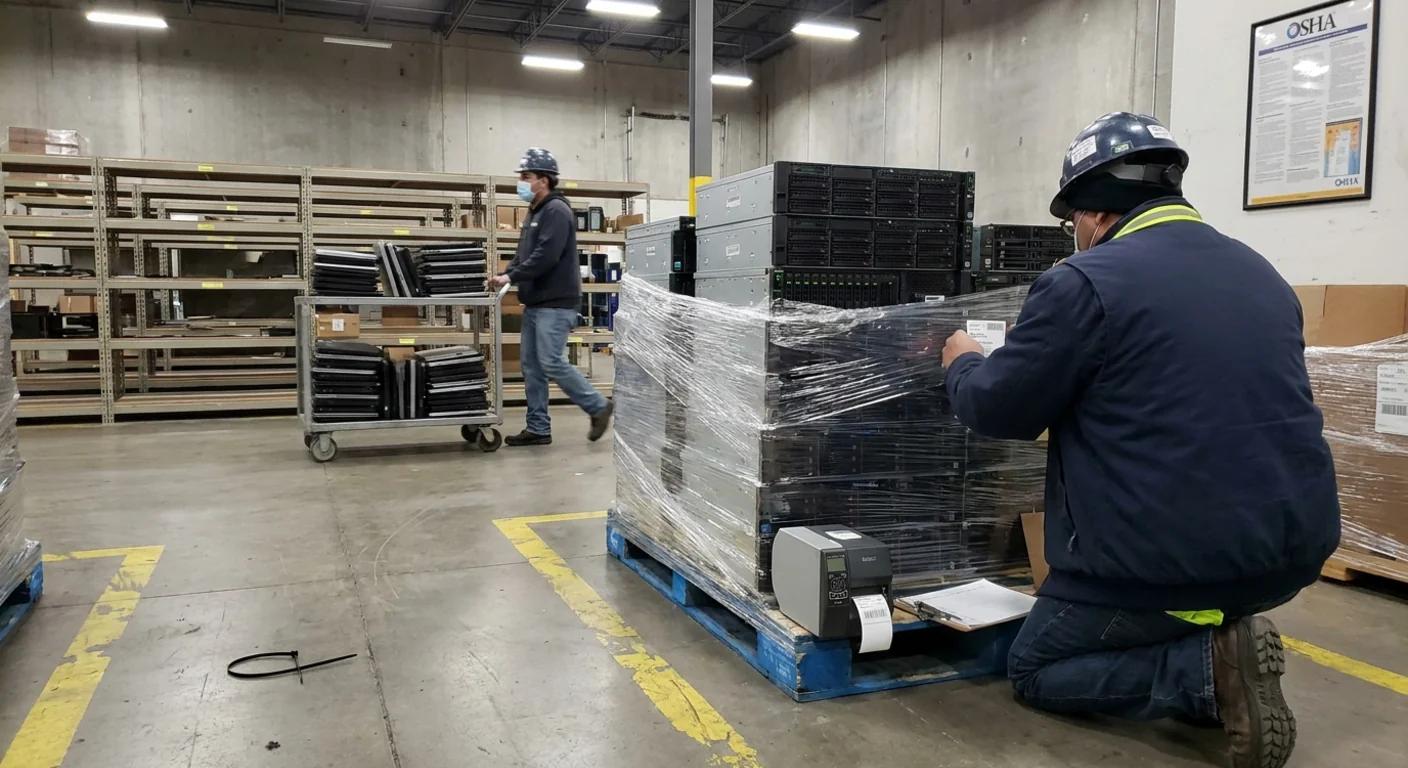
Chain of custody documentation creates an auditable trail showing exactly what happened to each asset from pickup through final processing. This documentation proves essential when responding to audits, investigations, or compliance reviews. Effective chain of custody records identify who handled each asset, when transfers occurred, where equipment was processed, and what destruction or sanitization methods were applied.
For Illinois organizations, maintaining this documentation protects against claims that equipment was mishandled or data was exposed. The records demonstrate due diligence and provide evidence of proper handling should questions arise months or years after disposition. Chicago Shredder provides detailed documentation for each ITAD project, including pickup manifests, processing certificates, and data destruction verification.
Many organizations underestimate the importance of tracking equipment from the moment it's identified for retirement. Creating holding procedures for retired assets prevents unauthorized access while awaiting pickup. Designated secure storage areas, access controls, and inventory verification before transport all contribute to a defensible ITAD process. These pre-pickup controls complement the secure processing that follows.
3. Secure Data Destruction Standards and Methods
Data destruction represents the most critical liability control point in IT asset disposition. Simply deleting files or reformatting drives does not render data unrecoverable. Effective data destruction requires methods that make information retrieval technically and economically infeasible. Organizations must select destruction approaches appropriate to their data sensitivity and compliance requirements.
Software-based sanitization uses specialized programs to overwrite existing data multiple times with random patterns. The DoD 5220.22-M standard provides one recognized framework for software-based wiping, though NIST SP 800-88 guidelines offer current federal recommendations. These methods work well for equipment destined for refurbishment and redeployment, allowing organizations to recover residual value while protecting data.
Physical destruction provides the highest certainty for highly sensitive information. At Chicago Shredder's Addison, Illinois facility, an on-site hard drive crusher renders drives completely inoperable, creating physical damage that makes data recovery designed to be unrecoverable. This method proves particularly valuable for drives containing regulated data, damaged equipment that cannot be reliably wiped, or situations where absolute certainty is required.
Method selection should align with data classification levels and regulatory requirements. Healthcare organizations handling protected health information often choose physical destruction for drives containing patient records. Financial institutions may require physical destruction for systems processing payment information. Educational institutions balance destruction methods based on student record sensitivity.
4. Refurbish Versus Recycle Decision Framework
Every retired IT asset reaches a decision point: refurbishment for redeployment or recycling for material recovery. This choice carries liability implications beyond simple economics. Equipment selected for refurbishment must undergo thorough data sanitization and testing to ensure all previous information is eliminated. The potential value recovery must justify the additional handling and verification required.
Refurbishment makes sense for newer equipment with remaining useful life, particularly when reliable software-based sanitization can be verified. Laptops less than five years old, recent-generation mobile devices, and current networking equipment often qualify for remarketing. The environmental benefits are significant, extending product lifecycles and reducing demand for new manufacturing. However, organizations must ensure secure data destruction precedes any refurbishment process.
Recycling becomes appropriate for older equipment, damaged assets, or devices containing highly sensitive data where absolute destruction certainty is required. Material recovery allows valuable metals, plastics, and components to re-enter manufacturing supply chains rather than consuming landfill space. The downstream processing must meet recognized environmental standards to protect the original owner from liability.
This secure process demonstrates adherence to secure, transparent recycling practices, including proper downstream management, worker health and safety protocols, and environmental compliance.
5. Secure Processing and Downstream Accountability
Choose a recycler that documents chain of custody and provides a Certificate of Recycling. Not all recyclers operate at the same standard, and the cheapest option often creates the greatest liability exposure.
This standards establishes comprehensive requirements for electronics recyclers, covering environmental health and safety, data security, downstream management, and quality systems. For Illinois organizations, working with processors demonstrates commitment to responsible practices.
Downstream tracking ensures materials from your retired equipment are processed through appropriate channels rather than exported to facilities with lower environmental standards. This secure process includes specific requirements for tracking materials through the recycling chain and prohibits certain high-risk downstream options. This accountability protects organizations from liability associated with improper international shipments or substandard processing.
Rather than relying on multiple vendor relationships, all electronics move through a controlled, audited system. This integration simplifies vendor management, strengthens chain of custody documentation, and reduces the number of points where accountability could break down. For organizations managing ITAD liability, fewer handoffs means fewer potential exposure points.
6. Data Disposal Considerations
Industry-specific regulations impose particular requirements on IT asset disposition, and failing to address these standards creates significant liability exposure. Healthcare organizations operating under HIPAA must ensure that protected health information is rendered unrecoverable before equipment leaves their control. The Privacy Rule and Security Rule both address proper disposal of electronic media containing patient information.
Financial institutions face GLBA requirements for protecting customer financial information throughout the data lifecycle, including disposition. The Safeguards Rule mandates that financial institutions implement measures to protect customer information from unauthorized access during disposal. Banking regulators examine ITAD practices during compliance reviews, making documented processes essential.
Educational institutions managing student records under FERPA must prevent unauthorized disclosure during equipment retirement. Schools and universities handling financial aid information face additional requirements under GLBA. The complexity of overlapping regulations affecting educational technology makes careful ITAD planning necessary. Illinois schools from elementary through university levels benefit from ITAD partners who understand education sector compliance needs.
Chicago Shredder's ITAD services are designed to support compliance requirements across these regulatory environments. While no vendor can guarantee compliance (which remains the organization's responsibility), working with experienced partners who understand industry requirements significantly reduces implementation challenges.
7. Chicago-Area Logistics Advantages for Illinois Organizations
Geographic proximity provides practical benefits when managing IT asset disposition logistics and liability. Chicago-area organizations working with local ITAD providers benefit from shorter transportation distances, easier coordination, and reduced chain of custody complexity. Equipment spends less time in transit, reducing exposure windows and simplifying tracking.
Chicago Shredder's Addison, Illinois facility location provides convenient access for organizations throughout the Chicago metropolitan area and across Illinois. Shorter pickup routes mean more flexible scheduling and faster project completion. For organizations managing large-scale technology refreshes or data center decommissioning, local processing capabilities streamline complex projects.
On-site services become more practical with local providers. Organizations with particularly sensitive data or high-value equipment may prefer witnessed destruction, where IT staff observe the physical destruction process.
Local providers also understand Illinois-specific regulatory requirements, including state e-waste laws and local disposal restrictions. For Illinois organizations, this combination of secure capabilities and local knowledge reduces liability risks throughout the ITAD process.
8. Frequently Asked Questions
What documentation should I expect from an ITAD provider?
Comprehensive ITAD documentation includes a pickup manifest listing all assets removed from your facility, certificates of data destruction specifying the method used for each device, and recycling certificates confirming final material disposition. Chain of custody records should track each asset from pickup through processing, providing an auditable trail for compliance purposes.
What documentation should you request from a recycler?
Working with processors demonstrates due diligence in vendor selection and provides assurance that materials are handled responsibly.
Should we physically destroy all hard drives or use software wiping?
The appropriate method depends on your data sensitivity, regulatory requirements, and equipment disposition plans. Physical destruction at Chicago Shredder's on-site crusher at our Addison, IL facility provides the highest certainty and is designed to make data unrecoverable. Software-based sanitization following DoD 5220.22-M standard or NIST SP 800-88 guidelines works well for equipment being refurbished, allowing value recovery while protecting data.
What happens to equipment after it leaves our facility?
After pickup, equipment moves to Chicago Shredder's Addison facility where assets are inventoried, data destruction is performed according to your specifications, and materials are sorted for refurbishment or recycling. Detailed documentation tracks each step of this process.
How long does the typical ITAD project take in the Chicago area?
Project timelines vary based on volume and scope, but Chicago Shredder typically responds to inquiries within one business day. Small pickups can often be scheduled within a few days, while larger projects involving hundreds or thousands of assets require coordination but benefit from our local Addison facility location. Proximity to clients throughout Illinois allows flexible scheduling and efficient project completion.
Are we liable if our recycler improperly handles our equipment downstream?
Working with processors who maintain documented downstream tracking significantly reduces this risk.
Minimizing liability during IT asset disposition requires attention to data security, environmental compliance, and regulatory requirements specific to your industry. Illinois organizations benefit from comprehensive approaches that combine detailed asset tracking, appropriate destruction methods, and downstream processing. Whether you're managing a small office technology refresh or a major data center decommissioning, proper ITAD practices protect your organization from data breaches, environmental penalties, and compliance failures. Contact Chicago Shredder at 866-770-2650 to discuss your IT asset disposition needs or schedule a pickup for your retired technology equipment.
Ready to schedule a pickup?
Call 866-770-2650 or request a quote online. Every pickup includes clear service documentation.