
IT asset disposition (ITAD) involves the secure management of retired technology equipment, from initial decommissioning through final disposition. For Illinois organizations, this process requires careful attention to data security regulations, environmental laws, and documentation requirements. Understanding how to align ITAD practices with regulatory frameworks helps organizations reduce risk while responsibly managing end-of-life technology assets. Chicago Shredder provides ITAD services designed to support compliance requirements for businesses throughout the Chicago metropolitan area and across Illinois.
1. Understanding IT Asset Disposition and Compliance Requirements
IT asset disposition encompasses all activities involved in retiring technology equipment, including computers, servers, mobile devices, networking hardware, and data storage media. The process begins when equipment reaches end-of-life status and continues through data sanitization, equipment evaluation, and final disposition through recycling or refurbishment channels.
Regulatory compliance during ITAD addresses multiple frameworks simultaneously. Data protection regulations require secure destruction of information stored on devices. Environmental regulations govern how electronic equipment is processed and prohibit certain disposal methods. Industry-specific requirements add additional layers of documentation and security protocols. Organizations in healthcare, finance, education, and government sectors face particularly detailed compliance obligations.
Illinois organizations must also consider state-specific regulations governing electronics recycling. The Illinois Electronic Products Recycling and Reuse Act establishes requirements for responsible management of covered electronic devices. These regulations work alongside federal guidelines to create a comprehensive compliance landscape that affects ITAD operations.
Proper ITAD services are designed to support compliance across these various frameworks by implementing documented processes, maintaining detailed records, and partnering with certified downstream processors who follow established industry standards.
2. Asset Inventory and Chain of Custody Documentation
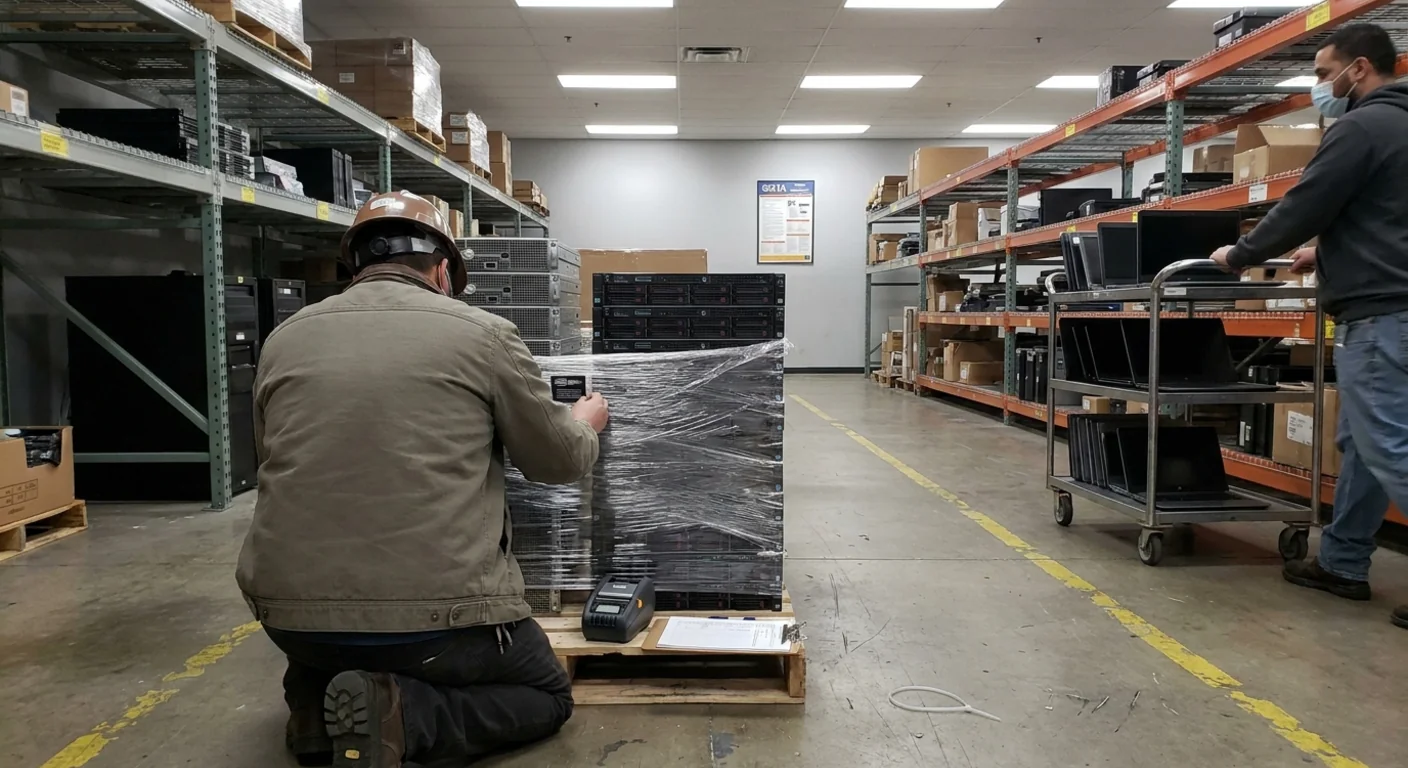
Comprehensive asset tracking begins the moment equipment enters the ITAD process. Organizations need detailed inventory records that capture serial numbers, asset tags, equipment types, and any other identifying information. This initial documentation establishes the foundation for chain of custody tracking throughout the entire disposition process.
Chain of custody documentation creates an auditable record showing exactly what happened to each asset from pickup through final disposition. This includes recording who handled equipment at each stage, what processes were applied, when activities occurred, and where assets were located throughout the process.
Chicago Shredder maintains detailed documentation for every asset processed through our facility in Addison, Illinois. Our tracking systems record asset information at intake, document all handling and processing activities, and generate certificates that verify how equipment was ultimately processed.
The ability to demonstrate complete chain of custody becomes particularly important when organizations face regulatory audits or need to verify that retired equipment containing sensitive data was properly managed. Without comprehensive documentation, organizations may struggle to prove compliance even when appropriate processes were followed.
3. Secure Data Destruction as a Core ITAD Component
Data destruction represents one of the most critical compliance elements within ITAD operations. Regulations across multiple sectors require organizations to render data unrecoverable before equipment leaves their control. The specific destruction methods and documentation requirements vary based on the type of data involved and applicable regulatory frameworks.
For hard drives and solid-state storage media, physical destruction provides the highest level of assurance. Chicago Shredder operates an on-site hard drive crusher at our Addison, Illinois facility, allowing us to physically destroy storage media and render data designed to be unrecoverable. This physical destruction method addresses the most stringent data security requirements.
Software-based data sanitization following NIST SP 800-88 guidelines provides an alternative for equipment being prepared for reuse. These guidelines outline data destruction approaches designed to render information unrecoverable through standard forensic techniques. Documentation of the sanitization process, including the specific methods used and verification of completion, becomes part of the compliance record.
Whether supporting HIPAA requirements in healthcare, GLBA obligations in financial services, FERPA requirements in education, or general data protection practices, documented data destruction processes form an essential component of compliant ITAD.
4. Evaluating Equipment for Refurbishment Versus Recycling
Not all retired IT equipment follows the same disposition path. Functional equipment with remaining useful life may qualify for refurbishment and redeployment, while damaged or obsolete equipment proceeds directly to recycling. Making appropriate decisions about which path each asset should follow requires systematic evaluation processes.
Equipment evaluation considers multiple factors including age, condition, market demand, and the organization's data security requirements. Newer equipment in good working condition that has been properly sanitized may be suitable for remarketing. Older equipment, damaged devices, or items containing particularly sensitive data may proceed directly to recycling regardless of functionality.
Refurbishment paths must still address data security and compliance requirements. Even when equipment will be reused, data destruction must occur before devices leave the original organization's control. Equipment being prepared for reuse typically undergoes software-based sanitization rather than physical destruction, but documentation requirements remain equally important.
Recycling paths ensure that equipment is processed in an environmentally responsible manner through processing facilities. This secure process demonstrates adherence to sustainable recycling standards that address environmental protection, worker health and safety, and downstream material management.
5. More to Consider
The standard specifically addresses data destruction, requiring processing facilities to maintain documented processes for rendering data unrecoverable.
This secure process also establishes requirements for downstream vendor management. Processing facilities must ensure that materials leaving their control are sent to facilities following responsible practices. This creates accountability throughout the entire recycling chain, not just at the initial processing stage. For organizations with compliance obligations, this downstream accountability helps ensure no materials are knowingly disposed of in landfills or processed through substandard facilities.
The standard requires facilities to maximize reuse and recycling, properly manage hazardous materials, and maintain documentation demonstrating responsible material management. These requirements support organizations seeking to meet both regulatory obligations and corporate sustainability commitments.
6. Data Disposal Considerations
Organizations rarely face a single compliance requirement in isolation. Healthcare providers must address HIPAA regulations while also meeting environmental requirements. Financial institutions balance GLBA obligations with Illinois electronics recycling laws. Educational institutions navigate FERPA requirements alongside sustainability commitments.
Documentation stands at the center of multi-framework compliance. Certificates of destruction provide evidence that data was properly sanitized. Chain of custody records demonstrate equipment was tracked throughout the process. Together, these documents create a compliance record addressing various regulatory requirements.
Chicago Shredder provides documentation designed to support compliance verification across different frameworks. Our certificates include detailed information about assets processed, destruction methods used, and final disposition. This documentation can be retained as part of an organization's compliance records and produced during audits or regulatory reviews.
The complexity of compliance requirements makes working with experienced ITAD providers particularly valuable.
7. Chicago-Area Logistics Advantages for Illinois Organizations
Geographic proximity offers practical advantages for organizations managing ITAD compliance requirements. Chicago Shredder's Addison, Illinois facility provides convenient access for organizations throughout the Chicago metropolitan area and across Illinois. This regional presence simplifies logistics, reduces transportation costs, and enables faster service delivery.
Local processing also means shorter chain of custody timelines. Equipment picked up from Illinois locations arrives at our Addison facility quickly, reducing the time assets spend in transit and accelerating the entire ITAD process. For organizations with time-sensitive compliance requirements, this rapid processing can be particularly valuable.
Our familiarity with Illinois-specific regulations and the compliance landscape facing organizations in the region allows us to provide relevant guidance.
Scheduling pickups from Chicago-area locations typically offers greater flexibility than working with distant providers. We can often accommodate specific timing requirements and work around organizational schedules. For large-scale ITAD projects involving significant quantities of equipment, this coordination becomes increasingly important for minimizing disruption to ongoing operations.
8. Frequently Asked Questions
What documentation should we expect to receive after ITAD services are completed?
You should receive detailed documentation including certificates of destruction or data sanitization, chain of custody records showing how assets were tracked throughout the process, and documentation verifying final disposition through secure recycling facilities. Chicago Shredder provides comprehensive documentation designed to support compliance verification and audit requirements.
Can equipment be processed on-site at our facility instead of being transported?
For certain data destruction needs, on-site services can be arranged. However, comprehensive ITAD including environmentally sound recycling typically requires transportation to secure processing facilities. Chicago Shredder maintains detailed chain of custody documentation for equipment transported to our Addison facility, providing accountability throughout the process.
What happens to equipment that still has functional value?
Functional equipment undergoes the same data destruction processes as non-functional items before any remarketing consideration. After data has been rendered designed to be unrecoverable, equipment may be evaluated for refurbishment and redeployment. Your organization can specify whether equipment should be recycled regardless of functionality or considered for remarketing paths.
How long does the ITAD process typically take from pickup to documentation?
Timelines vary based on project scope and specific service requirements. For standard projects, equipment is typically processed within days of pickup, with documentation following shortly after processing completion. We work with organizations to accommodate specific timing requirements when regulatory deadlines or audit schedules create time-sensitive needs.
Does Chicago Shredder handle ITAD for organizations outside the Chicago area?
While our primary service area focuses on the Chicago metropolitan region and Illinois, we can discuss ITAD needs for organizations in surrounding areas.
Regulatory compliance during IT asset disposition requires attention to data security, environmental responsibility, and comprehensive documentation. Call 866-770-2650 or schedule a pickup.
Ready to schedule a pickup?
Call 866-770-2650 or request a quote online. Every pickup includes clear service documentation.