

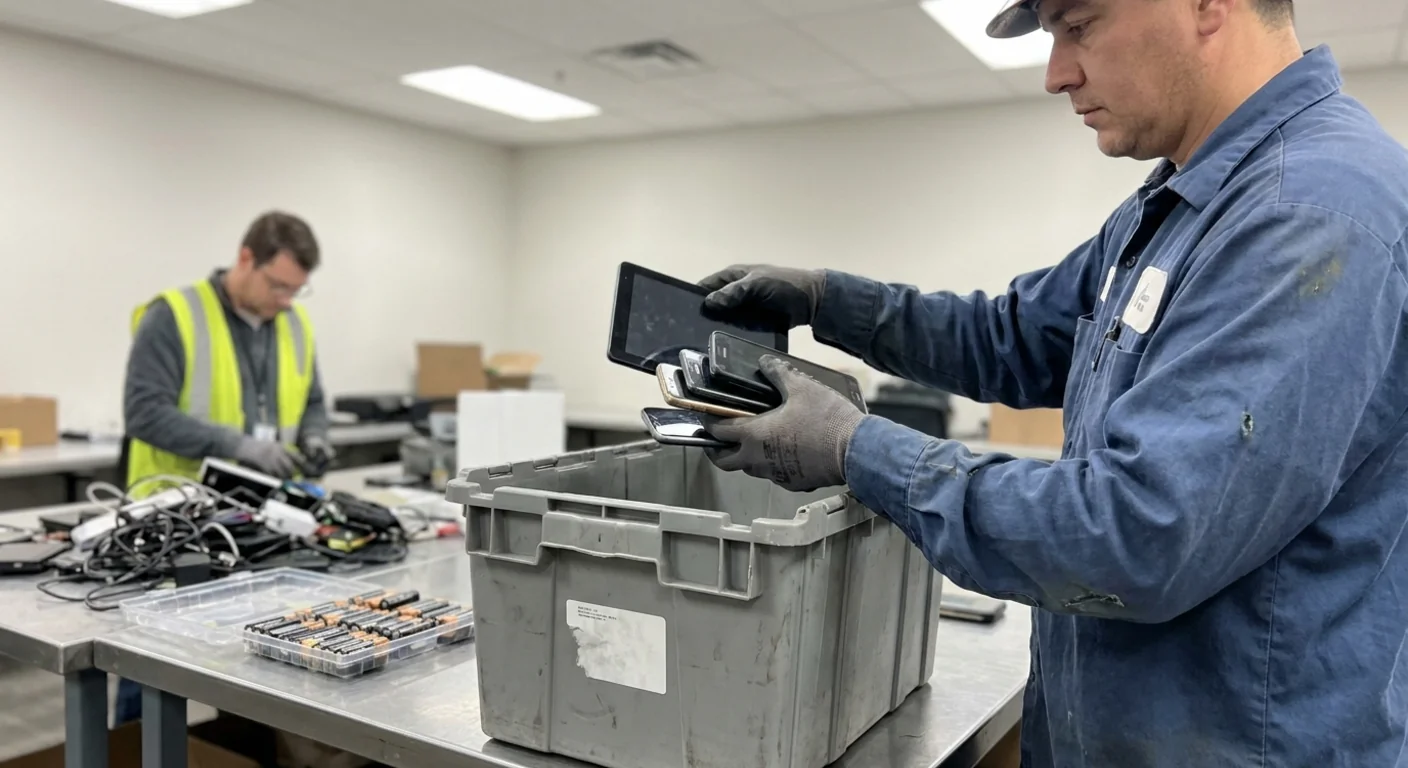
Cell phones contain sensitive data, valuable materials, and components that require responsible handling at end of life. For Chicago area businesses managing device fleets, IT asset disposition provides a structured approach to retiring mobile devices while protecting data and meeting environmental standards. Chicago Shredder offers comprehensive ITAD services designed to address the unique challenges of cell phone recycling, from initial inventory through final processing.
1. Understanding IT Asset Disposition for Mobile Devices
Unlike simple recycling, ITAD encompasses the entire lifecycle from decommissioning through final materials processing.
For cell phones specifically, ITAD addresses several critical concerns. Mobile devices store corporate email, authentication credentials, contact lists, messaging history, and application data that can persist even after standard factory resets. Business-grade smartphones often contain proprietary information, client communications, and access tokens that require verified destruction methods.
A complete ITAD program establishes protocols for device collection, tracking, data sanitization verification, and downstream processing. Chicago Shredder implements these processes for organizations across the Chicago metropolitan area, providing local service with processing capabilities.
2. Asset Inventory and Chain of Custody Documentation
Proper ITAD begins with detailed asset tracking from the moment devices leave your facility. Each cell phone receives a unique identifier that connects to make, model, serial number, and asset tag information. This inventory process creates the foundation for chain of custody documentation that follows devices through every stage of processing.
Chicago Shredder provides itemized manifests that detail every device collected during pickup. This documentation includes device condition assessments, identifying which phones may be candidates for refurbishment versus recycling. The manifest system creates an auditable record that tracks movement from your location through our Addison, Illinois facility to final processing.
Chain of custody documentation serves multiple purposes beyond simple record keeping. Compliance frameworks including those designed to support HIPAA, GLBA, and SOX requirements often specify documented asset tracking for devices containing regulated data. The detailed manifests also support insurance claims, capital asset accounting, and internal audit processes. For organizations managing hundreds or thousands of devices annually, this systematic tracking prevents losses and provides verification that retirement protocols were followed.
Digital tracking systems allow clients to access disposition records online, providing transparency throughout the process. This visibility helps IT departments demonstrate compliance to internal stakeholders and external auditors when questions arise about device handling.
3. Secure Data Destruction Methods for Cell Phones
Cell phone data destruction requires methods specifically designed for mobile device architecture. Unlike traditional hard drives, smartphones use flash memory storage that behaves differently during sanitization processes. Factory resets typically leave substantial data recoverable through forensic tools, making additional destruction steps necessary for business devices.
Chicago Shredder applies data destruction protocols aligned with NIST SP 800-88 guidelines, which provide technical specifications for sanitizing different media types. For cell phones selected for physical destruction, the process involves complete device disassembly and shredding that reduces components to particles designed to be unrecoverable. Our Addison facility maintains on-site destruction capabilities that eliminate transportation risks associated with sending devices to distant processing locations.
For devices evaluated for potential refurbishment, data sanitization follows multi-pass overwrite procedures that address the specific characteristics of flash storage. Verification testing confirms data removal before any device proceeds to remarketing channels.
The choice between physical destruction and data sanitization depends on device value, organizational security policies, and the nature of information stored. High-security environments often specify physical destruction regardless of device condition, while organizations focused on sustainability may prefer sanitization when devices retain refurbishment value. Chicago Shredder works with clients to establish protocols that align with their specific risk tolerance and policy requirements.
4. Refurbishment Versus Recycling Decision Framework
Not every retired cell phone follows the same processing path. ITAD providers evaluate devices against multiple criteria to determine optimal disposition. This assessment balances environmental impact, potential value recovery, security requirements, and client preferences.
Functional devices less than three years old from major manufacturers often qualify for refurbishment markets. These phones undergo data sanitization, cosmetic evaluation, functional testing, and potential resale through secondary markets. The value recovered through refurbishment can offset service costs and supports sustainability objectives by extending device lifecycles.
Devices with physical damage, outdated operating systems, or minimal resale value proceed directly to materials recovery. Chicago Shredder evaluates phones during initial intake, documenting which devices follow refurbishment paths and which proceed to recycling. This evaluation considers client-specific policies, as some organizations prohibit resale regardless of device condition due to security protocols or branding concerns.
The decision framework also accounts for carrier restrictions, activation locks, and proprietary configurations that may limit refurbishment viability. Phones locked to specific carriers or containing management profiles require additional steps before entering secondary markets. Our team identifies these constraints during processing and routes devices accordingly.
Clients receive detailed reporting that breaks down disposition paths, showing quantities refurbished, recycled, or destroyed. This transparency supports sustainability reporting and helps organizations understand the environmental and financial outcomes of their ITAD program.
5. More to Consider
Environmental standards for electronics recycling address critical concerns about downstream processing, export controls, and materials handling.
This secure process requires documented procedures for handling hazardous materials, preventing improper export of electronic waste, and ensuring downstream vendors meet equivalent environmental standards.
Cell phones contain valuable materials including gold, silver, palladium, and copper alongside potentially harmful substances like lithium batteries and flame retardants. Batteries are separated and sent to specialized processors, precious metals are recovered through secure refiners, and plastics are sorted for materials recycling where technically feasible.
While modern smartphones contain minimal amounts of these legacy materials, older devices in mixed loads may include them. processing protocols ensure proper identification and handling.
For Chicago area businesses, working with processors provides verification that environmental standards are maintained even after devices leave your facility. No materials are knowingly disposed of in landfills, and export activities comply with regulations governing international electronics shipments.
6. Data Disposal Considerations
Organizations in healthcare, finance, education, and government sectors face specific requirements regarding data-bearing asset disposal. While Chicago Shredder does not provide legal advice, our ITAD processes are designed to support compliance requirements under frameworks including HIPAA, GLBA, FERPA, and SOX.
Healthcare providers retiring cell phones used for patient communication or containing health information need documented destruction processes. The detailed chain of custody records and data destruction certificates Chicago Shredder provides help demonstrate that devices containing protected health information were handled according to security protocols.
Financial institutions subject to GLBA requirements maintain similar needs for documented disposal of devices that accessed customer financial data. The combination of secure transportation, tracked processing, and verified destruction creates the audit trail these organizations require.
Government contractors with security clearance requirements often need enhanced protocols, which Chicago Shredder can accommodate through customized processing procedures.
These compliance frameworks share common themes around data protection, vendor management, and documented procedures. A comprehensive ITAD program addresses these elements systematically, providing the verification and transparency that regulatory requirements demand.
7. Chicago Area Logistics and Service Advantages
Location matters significantly in ITAD service delivery. Chicago Shredder operates from Addison, Illinois, providing rapid response to organizations throughout the Chicago metropolitan area and across Illinois. This proximity creates meaningful advantages compared to working with distant providers.
Local service enables flexible pickup scheduling that accommodates your operational needs. Rather than waiting for scheduled routes that might occur quarterly, Chicago area businesses typically receive response within one business day for pickup requests. This responsiveness helps IT departments clear storage areas, meet project deadlines, and maintain organized asset retirement workflows.
The short transportation distance between client locations and our Addison facility reduces the time devices spend in transit. This compressed timeline minimizes risk exposure and accelerates the overall disposition process. Devices collected Monday often complete initial processing by week's end, with documentation available shortly thereafter.
Local processing also facilitates witness destruction services for organizations requiring visual verification. Clients can schedule appointments to observe physical destruction of their devices at our Addison location, providing additional assurance for high-security situations.
The Chicago location supports both one-time purge projects and ongoing service relationships. Organizations managing regular device refresh cycles can establish recurring pickup schedules, while companies conducting office consolidations or closures can arrange expedited large-volume collections. This flexibility serves diverse client needs across corporate, institutional, and government sectors throughout the region.
8. Frequently Asked Questions
What happens to cell phone data during the ITAD process?
Cell phones selected for refurbishment undergo multi-pass data sanitization aligned with NIST SP 800-88 guidelines, with verification testing to confirm removal. Devices designated for recycling receive physical destruction through shredding that reduces components to particles designed to be unrecoverable. Clients receive documentation specifying the method applied to their devices.
Can we receive payment for functional cell phones through ITAD services?
Devices with refurbishment value may generate credit that offsets service costs. The actual value depends on make, model, age, condition, and current secondary market demand. Chicago Shredder provides evaluation during intake and discusses value recovery options based on your specific device mix and organizational policies regarding resale.
What documentation do we receive after cell phone disposition?
Chicago Shredder provides itemized manifests listing each device collected, chain of custody records tracking movement through processing, certificates of data destruction specifying methods applied, and final disposition reports detailing refurbishment, recycling, and destruction quantities.
How quickly can Chicago Shredder schedule a pickup for retired cell phones?
We typically respond within one business day for pickup requests from Chicago area locations. Actual scheduling depends on volume, location, and current service demand. Organizations can arrange one-time collections for upgrade projects or establish recurring pickups for ongoing device retirement programs.
Do cell phones require special handling compared to other electronics?
Cell phones contain lithium batteries that require separation and specialized processing, use flash memory that behaves differently during data destruction, and often store authentication credentials requiring verified sanitization. Chicago Shredder's ITAD processes address these specific characteristics with appropriate handling protocols for mobile devices.
Responsible cell phone disposition requires more than simply discarding outdated devices. Whether managing routine device refreshes or large-scale technology transitions, organizations benefit from documented chain of custody, verified data destruction, and transparent reporting throughout the disposition process. For information about cell phone ITAD services for your organization, call 866-770-2650 or schedule a pickup to begin the conversation.
Ready to schedule a pickup?
Call 866-770-2650 or request a quote online. Every pickup includes clear service documentation.