
For Chicago-area organizations managing computers, servers, networking gear, and mobile devices, ITAD involves more than simply discarding hardware. It requires documented asset tracking, secure data destruction, and environmentally responsible processing to protect sensitive information while supporting sustainability goals. Chicago Shredder provides comprehensive ITAD services designed to meet the needs of businesses throughout the greater Chicago area.
1. What IT Asset Disposition Means for Your Organization
ITAD encompasses the entire lifecycle of retiring technology assets, from initial inventory to final disposition. When equipment reaches the end of its useful life, organizations face decisions about data security, environmental compliance, and potential value recovery. A structured ITAD process addresses these concerns through documented procedures that track each asset from your facility through final processing.
The process typically begins with asset identification and inventory collection. Organizations need visibility into what equipment is being retired, including make, model, serial numbers, and any associated data storage media. This documentation creates an auditable trail that supports internal controls and regulatory requirements.
For businesses in healthcare, finance, education, and other regulated industries, ITAD also serves as a critical component of data governance programs. Equipment retirement represents a point of vulnerability where improper handling could expose confidential information. Professional ITAD services address this risk through standardized procedures designed to support compliance requirements including HIPAA, GLBA, SOX, and FERPA.
2. Asset Inventory and Chain of Custody Documentation
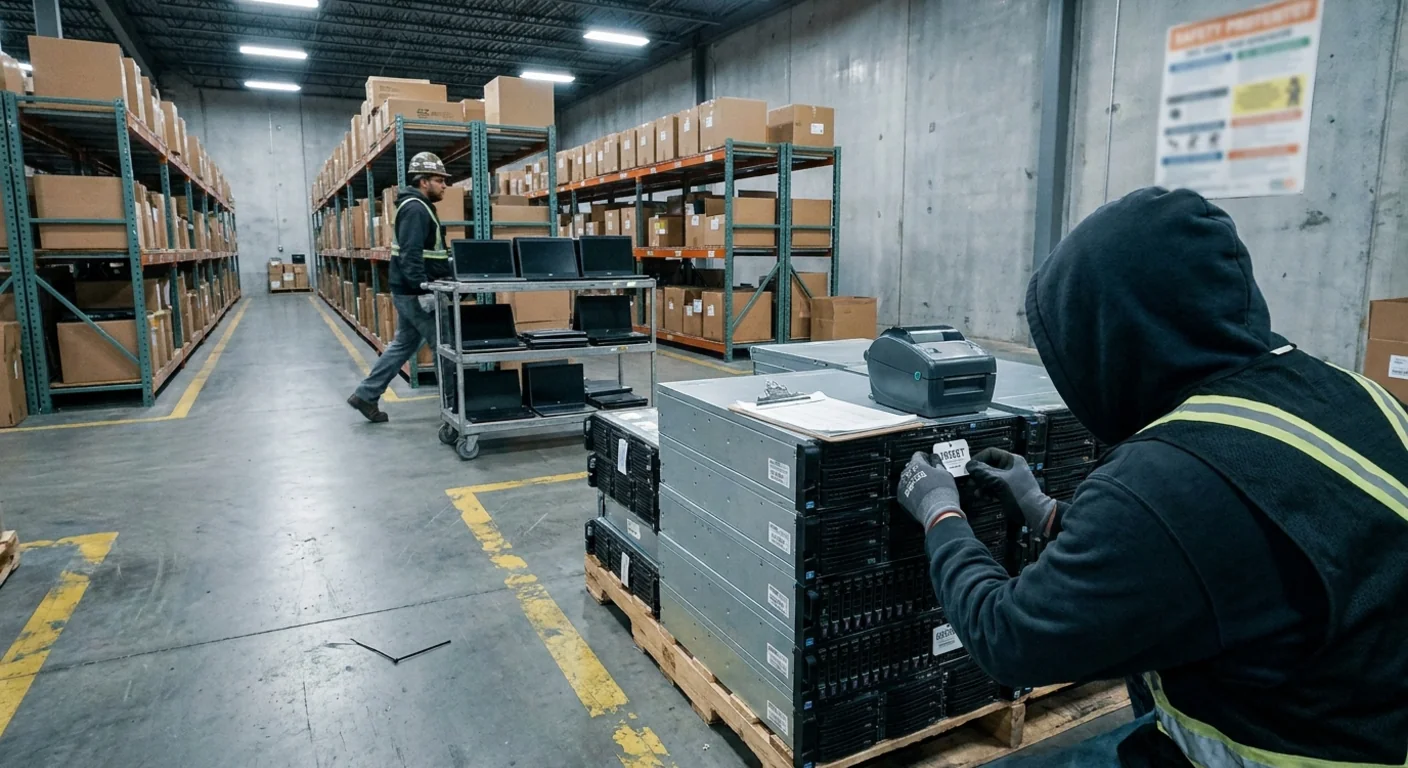
Effective ITAD begins with comprehensive asset tracking. When Chicago Shredder collects equipment from your location, each item receives documentation that follows it through the entire disposition process. This chain of custody record provides the accountability many organizations require for audit purposes and internal policy compliance.
The inventory process captures identifying information for each asset, including manufacturer details, model numbers, serial numbers, and asset tags when present. For devices containing storage media, the inventory specifically identifies hard drives, solid-state drives, and other data-bearing components. This level of detail enables organizations to match retired equipment against their own asset management records.
Chain of custody documentation serves multiple purposes beyond simple tracking. It provides evidence that assets were handled according to established procedures, supports insurance and disposal compliance requirements, and creates records that demonstrate proper stewardship of company resources. Organizations receive certificates of destruction or recycling that correspond to their specific inventory, not generic documentation.
3. Secure Data Destruction as Part of ITAD
Data destruction represents one of the most critical components of IT asset disposition. Before any equipment leaves your organization's control, storage media must be rendered unreadable to prevent unauthorized data recovery. Chicago Shredder's Addison, Illinois facility houses an on-site hard drive crushing system that provides physical destruction for maximum security.
Physical destruction through crushing creates permanent damage to storage platters, making data recovery designed to be unrecoverable through conventional means. This method proves particularly valuable for organizations handling sensitive information or operating under strict data protection requirements. The crushing process occurs at our facility, where clients can witness the destruction process if desired.
For devices where physical destruction is not immediately practical, data sanitization using industry-standard methods provides an alternative. These procedures follow NIST SP 800-88 guidelines for media sanitization, applying multiple overwrite passes that remove data from storage devices. The appropriate destruction method depends on the sensitivity of the data, the type of storage media, and organizational security policies. All data destruction services include documentation that specifies the method used and confirms completion.
4. Determining Equipment Value: Refurbish or Recycle
Not all retired IT assets follow the same disposition path. Equipment that retains functional value may qualify for refurbishment and resale, providing organizations with potential cost recovery while extending the useful life of technology products. The decision between refurbishment and recycling depends on several factors including age, condition, market demand, and data security considerations.
Newer equipment in working condition often holds residual value that can offset disposition costs. Devices meeting specific criteria may enter secondary markets after complete data sanitization, finding new life with users who need functional technology at lower price points. This approach supports circular economy principles by maximizing the utility of manufactured goods before they reach end-of-life recycling.
Equipment that is obsolete, non-functional, or containing components that compromise data security moves directly to recycling. Older systems, damaged devices, and technology with embedded storage that cannot be adequately sanitized receive material recovery processing. No materials are knowingly disposed of in landfills, supporting environmental responsibility alongside security objectives.
5. Secure Processing and Environmental Standards
The electronics recycling industry operates under various standards designed to promote environmental protection and responsible material handling. This standards represents a comprehensive framework addressing environmental, worker health and safety, and data security practices throughout the recycling process.
This secure process requires adherence to specific protocols for material tracking, downstream vendor validation, and environmental management.
Processors must verify that downstream vendors handling recovered materials also meet environmental and safety standards, creating accountability throughout the supply chain.
6. Data Disposal Considerations
Organizations across various industries face regulatory requirements that extend to IT asset disposition. Healthcare providers must consider HIPAA regulations protecting patient information. Financial institutions operate under GLBA provisions addressing customer data. Public companies respond to SOX requirements for record retention and disposal. Educational institutions manage FERPA obligations regarding student records.
Compliance-focused ITAD incorporates documentation, secure processes, and verifiable outcomes. Organizations receive certificates that demonstrate proper disposal of data-bearing devices, supporting audit requirements and regulatory inquiries. The documented chain of custody provides evidence that equipment was handled according to established security protocols from collection through final disposition.
Beyond federal regulations, many organizations operate under internal policies, contractual obligations, or industry-specific standards that govern technology disposal. Professional ITAD services accommodate these varying requirements through flexible processes that align with organizational needs.
7. Chicago-Area Logistics and Service Advantages
Location matters in ITAD services, particularly for organizations managing large quantities of equipment or operating under tight timelines. Chicago Shredder's position in the greater Chicago area, with facilities in Addison, Illinois, provides logistical advantages for businesses throughout the region. Proximity reduces transportation time, lowers carbon footprint associated with asset collection, and enables responsive service when equipment retirement needs arise.
Local service also facilitates on-site options for organizations requiring witnessed destruction or immediate asset removal. Rather than coordinating with distant providers, Chicago-area businesses can schedule pickups that align with their operational needs and timelines. This flexibility proves particularly valuable during office moves, data center decommissioning projects, or technology refresh initiatives involving significant equipment volumes.
The regional presence enables Chicago Shredder to serve diverse industries across the metropolitan area, from healthcare systems in the Loop to manufacturing facilities in suburban industrial parks. Experience with Chicago-area businesses means familiarity with common challenges including building access requirements, loading dock limitations, and scheduling around business operations. We typically respond to service requests within one business day, supporting organizations that need reliable ITAD partners for ongoing technology lifecycle management.
8. Frequently Asked Questions
What types of IT assets does ITAD cover?
IT asset disposition services cover computers, laptops, servers, networking equipment, storage devices, mobile phones, tablets, and other electronic devices containing data storage components. The process includes both functional equipment that may retain value and obsolete or non-working devices requiring recycling.
How long does the ITAD process take from pickup to completion?
Timeline varies based on the quantity of assets and services required. Simple pickups with standard data destruction typically complete within one to two weeks, including documentation delivery. Larger projects involving detailed inventory, witnessed destruction, or equipment evaluation for potential resale may require additional time depending on scope.
Do you provide certificates of destruction for our records?
Yes, Chicago Shredder provides documentation for all ITAD services including certificates of destruction for data-bearing devices and certificates of recycling for processed equipment.
Can we receive value back for equipment that still works?
Functional equipment meeting specific criteria may qualify for value recovery through refurbishment and resale. Equipment is evaluated based on age, condition, market demand, and other factors. Any potential value is discussed during the initial assessment, and organizations receive appropriate credits when equipment enters secondary markets after complete data sanitization.
How do you handle data security during the ITAD process?
Data security begins at pickup with chain of custody tracking and continues through destruction or sanitization. Hard drives and storage media receive physical destruction through our on-site crushing system at our Addison, Illinois facility or data sanitization following NIST SP 800-88 guidelines. All processes include documentation confirming completion and the specific method applied.
What happens to equipment after you collect it?
After collection, equipment undergoes data destruction, then evaluation for potential refurbishment or recycling. No materials are knowingly disposed of in landfills, supporting environmental responsibility.
Secure IT asset disposition protects sensitive data while supporting environmental and compliance objectives. For Chicago-area organizations retiring technology equipment, professional ITAD services provide documented processes from asset inventory through final disposition. Our Addison, Illinois facility serves businesses throughout the greater Chicago region with responsive service and proven expertise in technology lifecycle management. Call 866-770-2650 or schedule a pickup.
Ready to schedule a pickup?
Call 866-770-2650 or request a quote online. Every pickup includes clear service documentation.