
IT asset disposition (ITAD) is the process of securely retiring, sanitizing, and recycling business technology equipment when it reaches end-of-life. For Chicago-area organizations, effective ITAD protects sensitive data, supports environmental responsibility, and helps meet regulatory compliance requirements. With the right partner, businesses can turn decommissioned equipment into an efficient process that minimizes risk while maximizing value recovery. Understanding how to streamline ITAD operations saves time, reduces liability, and ensures responsible handling of electronic assets.
1. What IT Asset Disposition Means for Your Business
IT asset disposition encompasses the entire lifecycle of retiring technology equipment, from initial inventory through final recycling or resale. When servers, workstations, laptops, or mobile devices no longer serve your business needs, proper disposition ensures data security and environmental responsibility. The process includes asset tracking, data sanitization, equipment evaluation, and responsible downstream processing.
Many organizations accumulate outdated equipment in storage areas, creating security vulnerabilities and tying up valuable space. A structured ITAD process addresses these concerns through documented procedures and documented handling.
Proper ITAD goes beyond simply discarding old equipment. It includes evaluating assets for potential reuse, ensuring complete data destruction, and routing materials to appropriate recycling channels. This comprehensive approach protects your organization from data breaches while supporting sustainability goals. Organizations across healthcare, finance, education, and professional services sectors rely on structured ITAD to manage technology transitions.
2. Asset Inventory and Chain of Custody Documentation
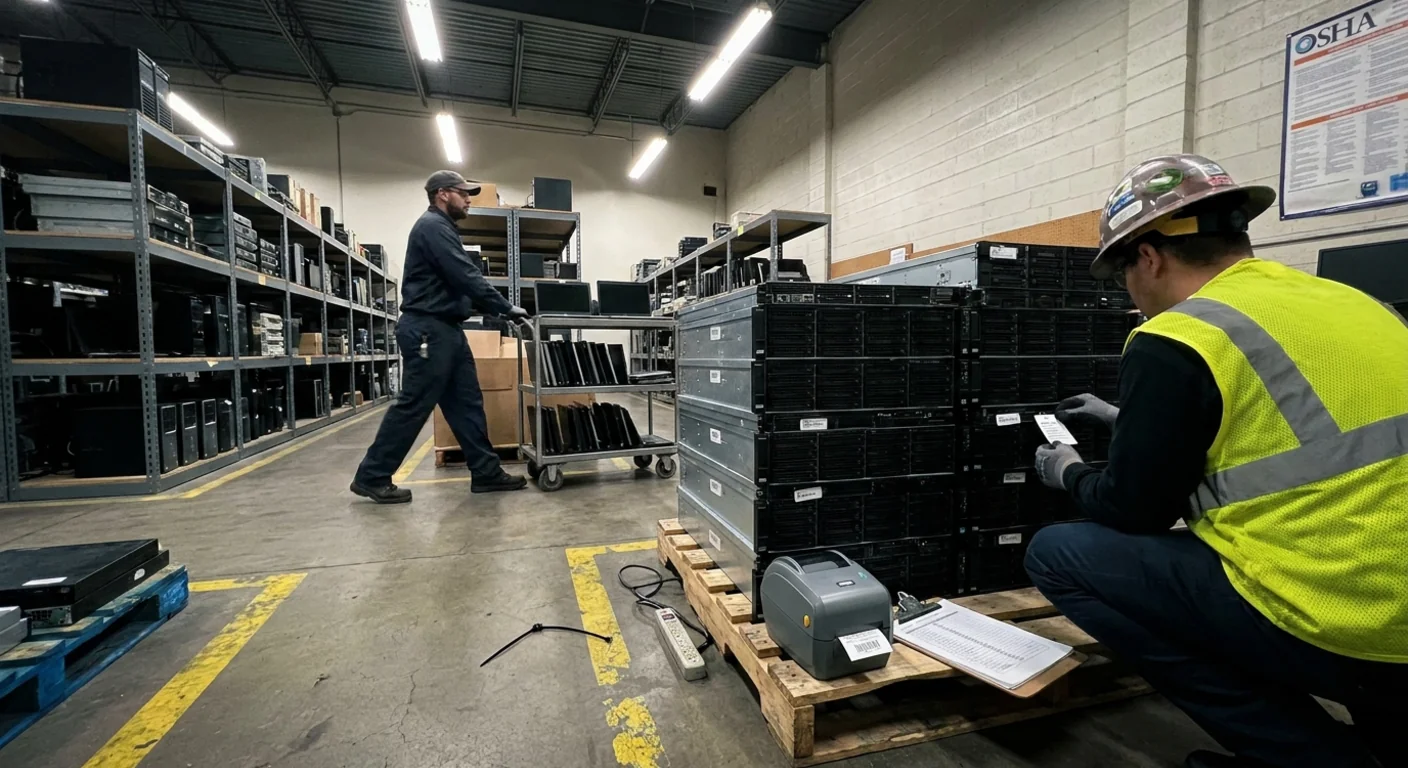
Effective ITAD begins with thorough asset inventory and tracking. Before equipment leaves your facility, documenting serial numbers, asset tags, and device types creates an audit trail that supports compliance efforts. This inventory process identifies what data sanitization methods each device requires and helps determine which assets may have residual value.
Chain of custody documentation tracks every piece of equipment from pickup through final disposition. This paperwork records who handled each asset, when transfers occurred, and what processes were applied. For organizations with compliance requirements, this documentation demonstrates due diligence in protecting sensitive information. Chain of custody records typically include pickup manifests, transport documentation, and certificates of destruction or recycling.
Chicago Shredder provides detailed documentation throughout the ITAD process, creating records that support internal audits and regulatory reviews. This paperwork trail proves particularly valuable for organizations in regulated industries where demonstrating proper data handling is essential. The documentation also helps with internal asset management, insurance claims, and tax reporting for equipment disposition.
3. Secure Data Destruction as Part of ITAD
Data destruction represents the most critical component of IT asset disposition. Storage devices contain sensitive business information, customer data, financial records, and proprietary information that must be rendered unrecoverable before equipment leaves your control. The data destruction method depends on device type, data sensitivity, and your organization's security policies.
For hard drives, physical destruction provides the highest level of security assurance. Chicago Shredder operates an on-site hard drive crusher at our Addison, Illinois facility, which mechanically destroys drives to ensure data is designed to be unrecoverable. This physical destruction method works for traditional spinning hard drives and meets the security requirements of organizations handling highly sensitive information.
Solid-state drives, mobile devices, and other electronics require different approaches. Software-based sanitization using methods aligned with NIST SP 800-88 guidelines can effectively clear data from devices that will be refurbished. For devices that cannot be reliably sanitized through software methods, physical destruction remains the preferred option. Proper data destruction designed to support compliance requirements under HIPAA, GLBA, SOX, and FERPA frameworks.
4. Refurbish Versus Recycle Decision Framework
Not every retired IT asset needs immediate recycling. Equipment evaluation helps determine which devices retain functional value and which should proceed directly to recycling. This decision affects both security considerations and potential value recovery from your disposition process. The evaluation considers device age, condition, market demand, and your organization's security policies.
Devices suitable for refurbishment typically include newer equipment with remaining useful life, systems with standard configurations, and devices for which there is market demand. After secure data sanitization, these assets may be refurbished and remarketed, potentially generating value that offsets ITAD program costs. However, refurbishment requires confidence in the data sanitization process and trust in downstream partners.
Older equipment, damaged devices, and systems containing highly sensitive data often proceed directly to recycling. This approach eliminates any possibility of data recovery while ensuring materials are processed responsibly. Organizations with strict security policies may choose recycling for all devices regardless of condition. The decision framework should align with your organization's risk tolerance, compliance requirements, and sustainability goals. Chicago businesses benefit from partners who can handle both pathways efficiently.
5. More to Consider
The sustainable recycling of electronic assets requires downstream processing. This secure process demonstrates commitment to environmental responsibility, worker safety, and downstream vendor accountability throughout the recycling process.
This secure process requires facilities to track materials through the entire recycling chain, ensuring components reach appropriate end markets. The standard addresses environmental management, health and safety practices, and data security requirements.
This accountability extends beyond the initial collection point to final material processing. Organizations concerned about environmental responsibility can trust that secure processing routes materials to legitimate recyclers rather than exporters who may handle electronics unsafely. This level of process rigor provides assurance that supports your organization's sustainability reporting and corporate responsibility initiatives.
6. Data Disposal Considerations
Organizations in healthcare, financial services, education, and government sectors face specific regulatory requirements around data protection and asset disposition. ITAD processes must be designed to support compliance requirements under various frameworks including HIPAA for healthcare data, GLBA for financial information, FERPA for educational records, and SOX for financial reporting.
Compliance-focused ITAD includes documented procedures, secure data destruction, chain of custody tracking, and certificates that demonstrate proper handling. These components create an audit trail showing that your organization took reasonable steps to protect sensitive information through the entire disposition process. Regular compliance audits often review ITAD procedures, making documentation essential.
Our certificates of destruction detail the data sanitization methods used, the date of service, and the specific assets processed.
7. Chicago-Area Logistics Advantages
Location matters in ITAD services. Chicago's central position and transportation infrastructure create logistics advantages for organizations managing IT asset disposition. Local pickup services reduce the time equipment sits in storage awaiting disposition, minimizing security risks and freeing valuable space. Shorter transportation distances also reduce the environmental impact of the disposition process.
Chicago Shredder's Addison, Illinois location provides convenient access throughout the metropolitan area. We can coordinate pickups that fit your schedule, whether you need regular ongoing service or one-time project support for data center decommissions or office relocations. Local presence means faster response times and the ability to address urgent disposition needs efficiently.
The Chicago area's concentration of businesses across diverse industries means ITAD providers here understand varied compliance requirements and equipment types. From financial services firms in the Loop to healthcare organizations in the suburbs, local expertise helps streamline the disposition process. Working with a local partner also simplifies communication, site visits, and coordination for complex projects requiring on-site asset tagging or phased equipment removal.
8. Frequently Asked Questions
How long does the IT asset disposition process take?
The timeline depends on project scope and scheduling. For standard pickups, we typically respond within one business day of contact to schedule service. The actual pickup and processing occur according to the schedule we establish with your team, which can range from next-day service to coordinated dates for larger projects.
What documentation will I receive after ITAD services?
You receive chain of custody documentation, pickup manifests detailing all assets collected, and certificates of destruction or recycling.
Can you handle ITAD for multiple locations across the Chicago area?
Yes, we coordinate services across multiple sites throughout the Chicago metropolitan area. We can schedule simultaneous pickups or phased services depending on your operational needs, maintaining consistent documentation and procedures across all locations.
What types of IT equipment do you accept?
We handle servers, workstations, laptops, mobile devices, networking equipment, storage systems, and other electronic assets. Our services extend beyond traditional IT equipment to include printers, copiers, and other office electronics requiring secure disposition.
How do you determine if equipment should be refurbished or recycled?
Equipment evaluation considers age, condition, market demand, and your security requirements. Newer functional equipment may be suitable for refurbishment after secure data sanitization, while older or damaged devices proceed to recycling. We discuss options based on your organization's policies and preferences.
From initial asset inventory through final recycling, proper ITAD creates documented procedures that reduce risk and simplify technology transitions. Whether you are managing routine equipment refreshes or large-scale data center decommissions, structured ITAD processes save time while ensuring responsible handling. Contact us at 866-770-2650 or visit our Addison facility to discuss how we can streamline your IT asset disposition process.
Ready to schedule a pickup?
Call 866-770-2650 or request a quote online. Every pickup includes clear service documentation.