

Illinois organizations are recognizing that responsible IT asset disposal goes beyond security. It is also an environmental imperative. IT Asset Disposition, or ITAD, encompasses the entire lifecycle of retiring technology hardware, from initial asset inventory through secure data destruction and final materials recovery. When executed properly, ITAD transforms potential electronic waste into recovered materials and refurbished equipment, reducing landfill burden while protecting sensitive data. For Chicago-area businesses, government agencies, and healthcare providers, partnering with a local ITAD provider offers logistical efficiency and transparent sustainability outcomes that align with corporate responsibility goals.
1. What ITAD Means for Modern Organizations
IT Asset Disposition is a structured process for managing technology hardware at end of life. Unlike simple recycling, ITAD addresses asset tracking, data security, regulatory compliance, and environmental stewardship in a single coordinated workflow. The process begins when devices are identified for retirement and continues through transportation, data sanitization, functional testing, and final disposition.
Comprehensive ITAD includes detailed documentation at every step. Organizations receive asset inventories that specify make, model, serial number, and disposition pathway for each device. For industries handling regulated data, such as healthcare or finance, this paper trail demonstrates due diligence in protecting information throughout the disposal process.
Chicago Shredder provides full-spectrum ITAD services with transparent reporting. Every retired asset is logged upon receipt at the Addison, Illinois facility. Clients receive certificates documenting data destruction methods and final disposition outcomes, whether devices are refurbished for reuse or processed for materials recovery. This documentation is designed to support compliance requirements under frameworks including HIPAA, GLBA, SOX, and FERPA.
2. Asset Inventory and Chain of Custody Protocols
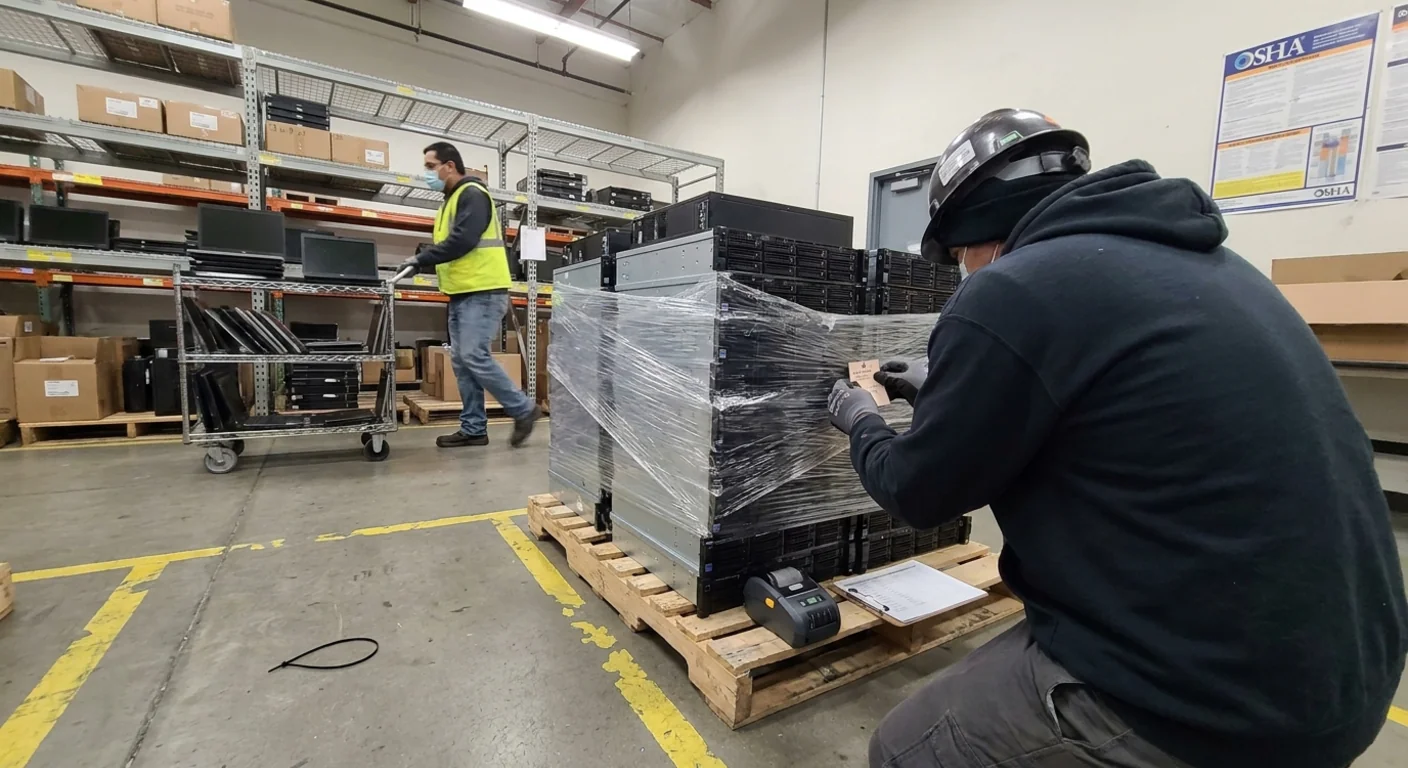
Effective ITAD begins with accurate asset tracking. When equipment arrives at the processing facility, technicians scan barcodes or record serial numbers to create a master inventory. This initial cataloging establishes the chain of custody, linking each physical device to its documented pathway through data destruction and final processing.
Chain of custody protocols serve multiple purposes. They prevent asset loss or misplacement during transportation and handling. They create accountability for data-bearing devices, ensuring no hard drive or solid-state storage bypasses sanitization procedures. They also enable reporting by asset category, showing what percentage of incoming equipment is refurbished versus recycled.
For organizations with distributed locations across Illinois, coordinated logistics simplify asset retirement. Chicago Shredder schedules pickups throughout the Chicago metropolitan area and surrounding regions, transporting equipment directly to the Addison facility where intake processing begins. Clients can track shipments and receive real-time inventory updates, maintaining visibility over assets until final disposition certificates are issued.
3. Secure Data Destruction as ITAD Foundation
Data security is non-negotiable in responsible ITAD. Before any device is resold or recycled, all data-bearing components must be sanitized using methods appropriate to the media type and sensitivity level. Hard drives, solid-state drives, smartphones, and other storage media each require specific approaches to ensure data is designed to be unrecoverable.
Chicago Shredder's Addison facility houses an on-site hard drive crusher capable of physically destroying magnetic and solid-state storage. Physical destruction provides the highest assurance level for devices containing highly sensitive information or for organizations with stringent data protection policies. The crusher renders drives inoperable and unreadable, creating a clear endpoint for data lifecycle management.
For devices destined for refurbishment and reuse, data sanitization follows software-based protocols aligned with NIST SP 800-88 guidelines. These methods overwrite storage multiple times, making data recovery impractical with current technology. The appropriate method depends on media type, planned disposition, and organizational risk tolerance. Clients receive certificates specifying the sanitization method applied to each asset category, providing documentation for compliance and audit purposes.
4. Refurbish Versus Recycle Decision Framework
Not all retired IT assets follow the same pathway. Some devices retain functional value and can be refurbished for secondary markets, extending their useful life and reducing demand for new manufacturing. Other equipment has reached true end of life and should be processed for materials recovery. The decision framework considers device age, condition, market demand, and data sensitivity.
Functional testing determines whether equipment can be economically refurbished. Computers, monitors, tablets, and networking gear undergo diagnostics to assess hardware integrity. Devices passing functional tests and meeting current performance standards become candidates for remarketing after data sanitization. This pathway diverts working equipment from the waste stream and provides affordable technology options for schools, nonprofits, and developing markets.
Equipment failing functional tests or lacking resale value proceeds to materials recovery. Printed circuit boards, wire harnesses, aluminum housings, and other components are separated and sent to downstream processors. This secure process demonstrates adherence to industry best practices for environmental health and safety, chain of custody, and downstream vendor management. processing facilities track materials through verified recycling chains, working to ensure no materials are knowingly disposed of in landfills.
5. More to Consider
This chain of accountability extends beyond the initial processing facility to final materials recovery operations.
Chicago Shredder clients benefit from this secure infrastructure without managing complex vendor relationships themselves. Clients receive reporting showing disposition outcomes by material category, supporting sustainability disclosures and corporate responsibility initiatives. This transparency differentiates secure ITAD from informal recycling operations that may lack downstream verification.
6. Data Disposal Considerations
Organizations in healthcare, finance, education, and government face specific requirements for data protection and environmental management. HIPAA mandates that covered entities implement policies ensuring the appropriate disposal of electronic protected health information. GLBA requires financial institutions to protect customer data through its entire lifecycle, including disposal. SOX establishes record retention and destruction protocols for public companies. FERPA governs student record protection in educational institutions.
Chain of custody records demonstrate that devices were transported securely and never left authorized custody. Data destruction certificates specify sanitization methods and completion dates. Disposition reports show final outcomes for each asset category, confirming that regulated data was destroyed before equipment entered secondary markets or materials recovery.
Chicago Shredder's processes are designed to support compliance requirements across these regulatory frameworks. While clients retain ultimate responsibility for compliance, partnering with an ITAD provider that understands regulatory expectations and maintains thorough documentation reduces compliance burden. Certificates and reports integrate into existing compliance programs, providing evidence of due diligence during audits and regulatory reviews.
7. Chicago-Area Logistics Advantages for Illinois Organizations
Geographic proximity matters in ITAD logistics. Transporting electronics over long distances increases cost, carbon footprint, and chain of custody complexity. For Illinois-based organizations, working with a local provider based in Addison offers practical advantages in scheduling, transportation efficiency, and relationship continuity.
Chicago Shredder operates throughout the Chicago metropolitan area and across Illinois, scheduling pickups that align with client timelines and facility access requirements. Shorter transportation routes reduce fuel consumption and associated emissions, supporting sustainability goals while simplifying logistics. Local operations also enable faster turnaround on certificates and reporting, helping organizations close out asset retirement projects quickly.
The Addison facility's central location provides convenient access for organizations throughout the region. Clients with single-location operations can arrange one-time pickups, while multi-site organizations can coordinate phased retirements across distributed facilities. This flexibility accommodates diverse organizational structures and project timelines, making ITAD accessible for businesses, institutions, and government agencies regardless of size or complexity.
8. Frequently Asked Questions
What is the difference between ITAD and electronics recycling?
ITAD is a comprehensive process covering asset tracking, data destruction, refurbishment decisions, and final disposition. Electronics recycling typically refers only to materials recovery. ITAD includes recycling as one possible outcome but also encompasses data security, compliance documentation, and refurbishment for reuse.
How do you determine whether equipment should be refurbished or recycled?
Functional testing assesses whether devices meet performance standards and have resale value. Equipment passing diagnostics and meeting market demand becomes a candidate for refurbishment after data sanitization. Devices failing tests or lacking economic value proceed to materials recovery through downstream processors.
What documentation do we receive after ITAD services are completed?
Clients receive detailed asset inventories listing each device by make, model, and serial number. Data destruction certificates specify sanitization methods applied to storage media. Disposition reports show final outcomes, including refurbishment quantities and materials sent for secure recycling, supporting compliance and sustainability reporting.
Can you support compliance requirements for healthcare and financial organizations?
Our ITAD processes are designed to support compliance requirements under HIPAA, GLBA, SOX, FERPA, and other regulatory frameworks.
What geographic areas do you serve for ITAD pickups?
We schedule pickups throughout the Chicago metropolitan area and across Illinois. Our Addison facility provides central access for organizations statewide, with flexible scheduling to accommodate single-location and multi-site retirements.
Responsible IT asset disposition combines data security, environmental stewardship, and compliance documentation into a single coordinated process. For Illinois organizations seeking to retire technology hardware sustainably, partnering with a local ITAD provider offers logistical efficiency and transparent outcomes. Chicago Shredder delivers comprehensive services from asset inventory through downstream processing, supporting sustainability goals while protecting sensitive information. To discuss ITAD solutions for your organization, call 866-770-2650 or schedule a pickup through our website.
Ready to schedule a pickup?
Call 866-770-2650 or request a quote online. Every pickup includes clear service documentation.